While rumors of a flexible smartphone from Cupertino have circulated for years, recent industry insights suggest that getting your hands on one might require a lot of patience. Apple is reportedly making progress on its debut foldable, but according to noted analyst Ming-Chi Kuo, the journey from announcement to actually owning the device could be a long one.
Even if the tech giant hits its target for a late 2026 reveal, early adopters should prepare for significant stock shortages. It appears that the foldable iPhone will be a rare sight in the wild until well into 2027.
| Metric | Value | Unit | Notes |
|---|---|---|---|
| Estimated Launch | Late 2026 | — | Second half of the year |
| Supply Stability | 2027 | Year | When “smooth shipments” are expected |
| Project Status | Active | — | Delayed from original internal schedule |
Production Hurdles and Tight Inventory
Building a device that bends requires a total rethink of hardware engineering. Standard smartphones are rigid slabs that manufacturers have perfected over decades, but foldables introduce mechanical complexity that Apple is still fine-tuning. Kuo indicates that the project is running behind its original schedule because the company is demanding perfection from the hinge mechanism and the display layers.
The biggest issue for fans will be the production yield. During the initial manufacturing run, many units may fail to meet Apple’s strict quality standards. This means that even if the leaked Apple foldable iPhone designs look promising, the actual number of boxes reaching store shelves will be limited. Shoppers might find themselves on waiting lists for months, especially if they are looking for specific color ways or storage configurations.
The Impact on the Market
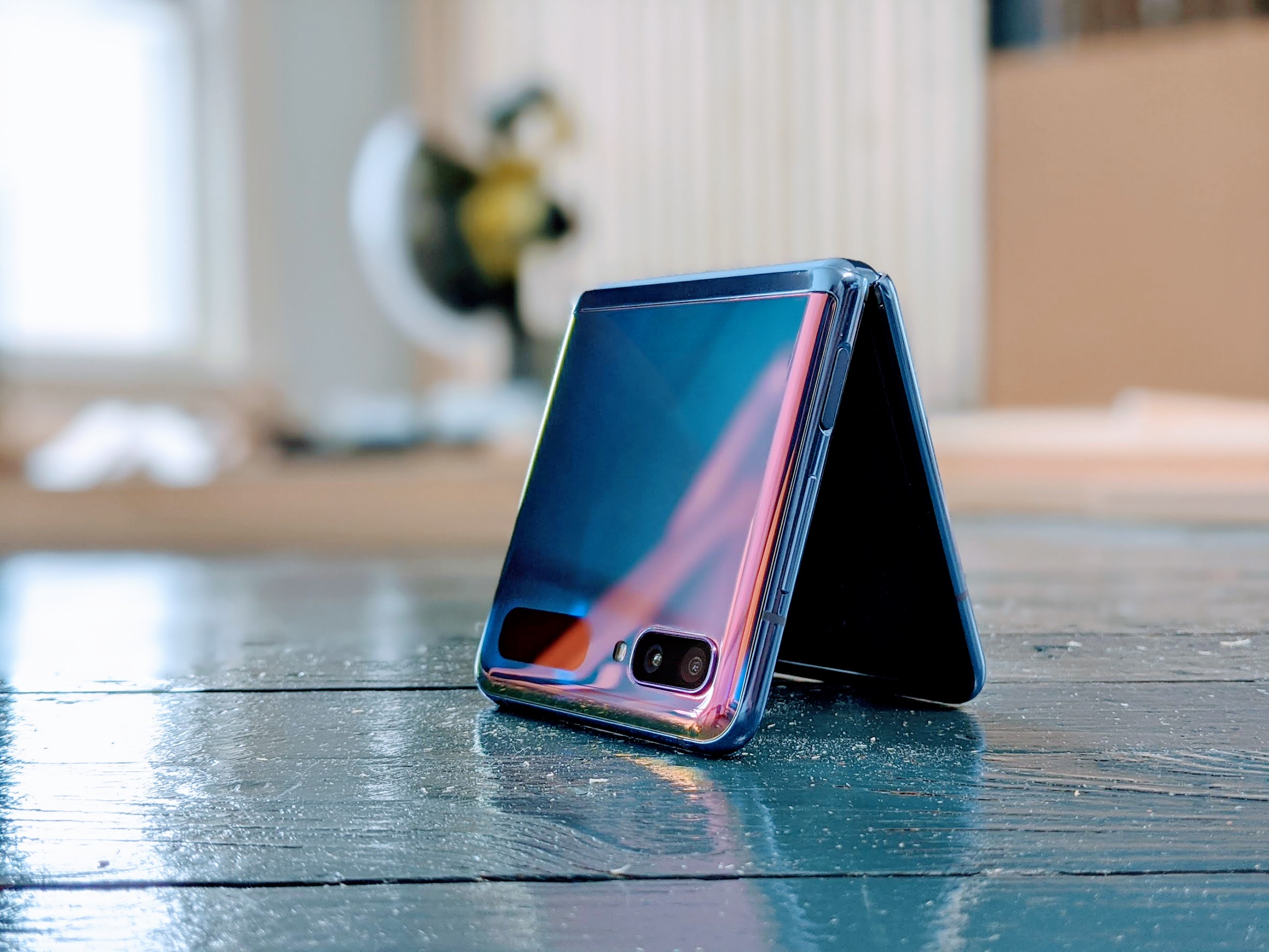
This slow rollout could give competitors a bit more breathing room. While Apple’s entry into the space will likely validate the entire category for many consumers, the limited availability means that the Galaxy Z Flip series and other Android alternatives will maintain their lead in market share. In its first year, this iPhone will likely act as a halo product, a high-status symbol for those lucky enough to secure one rather than a mass-market replacement for the standard Pro Max.
By the time 2027 rolls around, Apple expects to have ironed out the manufacturing kinks, aiming for sales in the double-digit millions. Until then, most users might decide to stick with their current hardware or wait for the second-generation model, which traditionally offers better durability and wider availability. If you are someone who likes to be first in line, you might want to start planning your upgrade strategy now, as the supply shortages are expected to be quite severe.