| Metric | Value | Unit | Notes |
|---|---|---|---|
| Display Size & Type | 6.83 | inch | AMOLED, 120Hz refresh rate |
| Peak Brightness | 3,200 | nits | Outdoor sunlight legibility peak |
| Processor (SoC) | Snapdragon 7s Gen 4 | — | Efficient midrange performance |
| RAM / Storage | 12 / 512 | GB | Maximum configuration available |
| Battery Capacity | 6,500 | mAh | Ultra-high density cells |
| Wired Charging | 100 | W | HyperCharge technology |
| Main Camera Sensor | 200 | MP | High-resolution primary sensor |
| IP Rating | IP69K | — | High-pressure water/dust resistant |
Xiaomi recently turned heads when it debuted the Redmi Note 15 series in China, but the real excitement started when the company confirmed the lineup is heading to international shores. Among the trio, the Redmi Note 15 Pro Plus is the clear standout. We spent some quality time with this flagship-lite contender, and it is safe to say that Xiaomi is aiming to redefine what we expect from a budget-friendly device.
A Tank in Designer Clothing
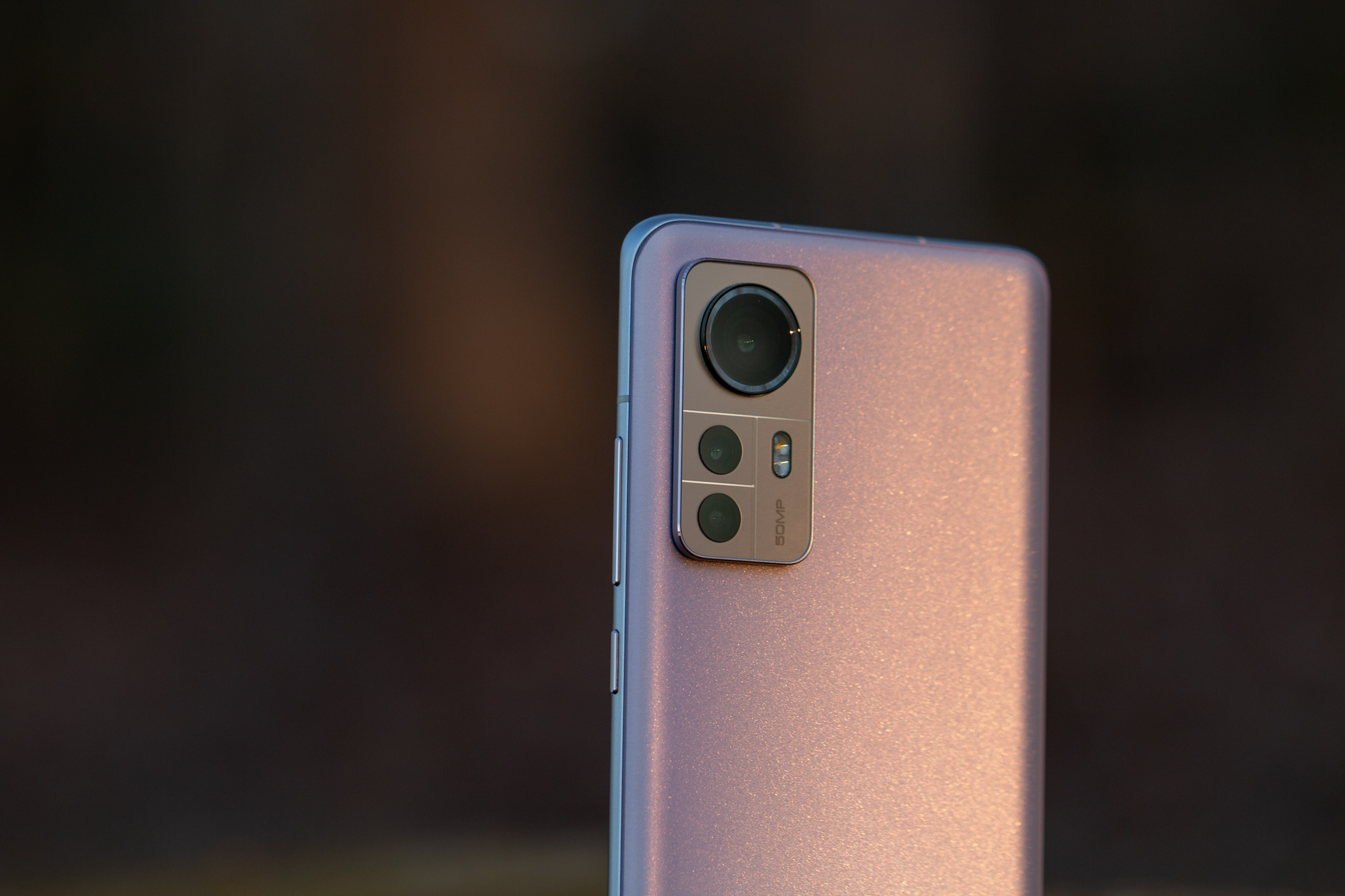
The first thing you notice when picking up the Note 15 Pro Plus is the weight. It feels substantial and premium, moving away from the hollow feel of many affordable phones. Xiaomi is marketing this under their “Redmi Titan Durability” banner, which sounds like marketing fluff until you see the specs. They have used a fiberglass rear panel and protected the front with Gorilla Glass Victus 2. While the frame is still plastic, the IP69K rating is a massive win. This means the phone isn’t just splash-proof, it is designed to withstand high-pressure water jets and serious dust ingress. It is the kind of peace of mind traditionally reserved for rugged work phones.
Visuals and Fluidity
The Xiaomi Redmi Note 15 Pro Plus features a massive 6.83-inch AMOLED panel that is absolutely vibrant. With a 120Hz refresh rate and a resolution of 2772 x 1280, everything from scrolling through TikTok to watching high-bitrate films feels buttery smooth. What really impressed us was the 3200 nits of peak brightness. Even under direct afternoon sun, the text remains perfectly legible. The display does have a slight curve at the edges, reminiscent of the 2.5D glass era. While it adds a bit of thickness to the bezels, it makes swiping from the sides feel incredibly natural.
Performance and Software Reality
Under the hood, Xiaomi has opted for the Snapdragon 7s Gen 4. It is an efficient chipset built for the modern midrange market. When paired with up to 12GB of RAM, the phone handles multitasking without breaking a sweat. You won’t be breaking any world records on benchmark apps, but in real-world scenarios like jumping between Maps, Spotify, and Chrome, it never stuttered.
The software experience is governed by Hyper OS 2. It is snappy and visually clean, though Xiaomi still insists on bundling a significant amount of pre-installed apps. If you are a minimalist, you will spend your first twenty minutes uninstalling bloatware. Fortunately, the system allows you to remove most of it, leaving you with a clean canvas.
Photography and All-Day Power
The 200MP main camera is clearly the headliner here. In well-lit environments, the level of detail is impressive, allowing you to crop into photos without losing much clarity. Even when the lights go down, the sensor pulls in enough light to keep noise at bay. The 8MP ultra-wide is a nice companion for landscapes, and the 32MP front sensor handles video calls with sharp detail.
However, the real “hero” feature might be the battery. Xiaomi packed a 6500mAh cell into this chassis. For most users, this is easily a two-day phone. When you finally do run low, the 100W wired charging can top you up in a flash. It is a level of utility that makes the Redmi Note 15 Pro Plus a very compelling choice for anyone tired of the daily charging ritual. Overall, it is a well-rounded package that punches far above its weight class.