| Metric | Value | Unit | Notes |
|---|---|---|---|
| Processor (SoC) | Exynos 2600 | — | 2nm architecture; heavy focus on efficiency |
| RAM / Storage | 12 / 256-512 | GB | LPDDR5X RAM / UFS 4.0 Storage |
| Battery Capacity | 4,300 | mAh | Estimated typical capacity |
| Folded Thickness | 12 | mm | Approximately 10% thinner than Z Flip 7 |
| Unfolded Thickness | 6 | mm | Slimmest profile in the Flip series to date |
| Weight | 170 | g | Lighter than many flagship “slab” phones |
| Launch Price | $1,100 | USD | Anticipated base model pricing |
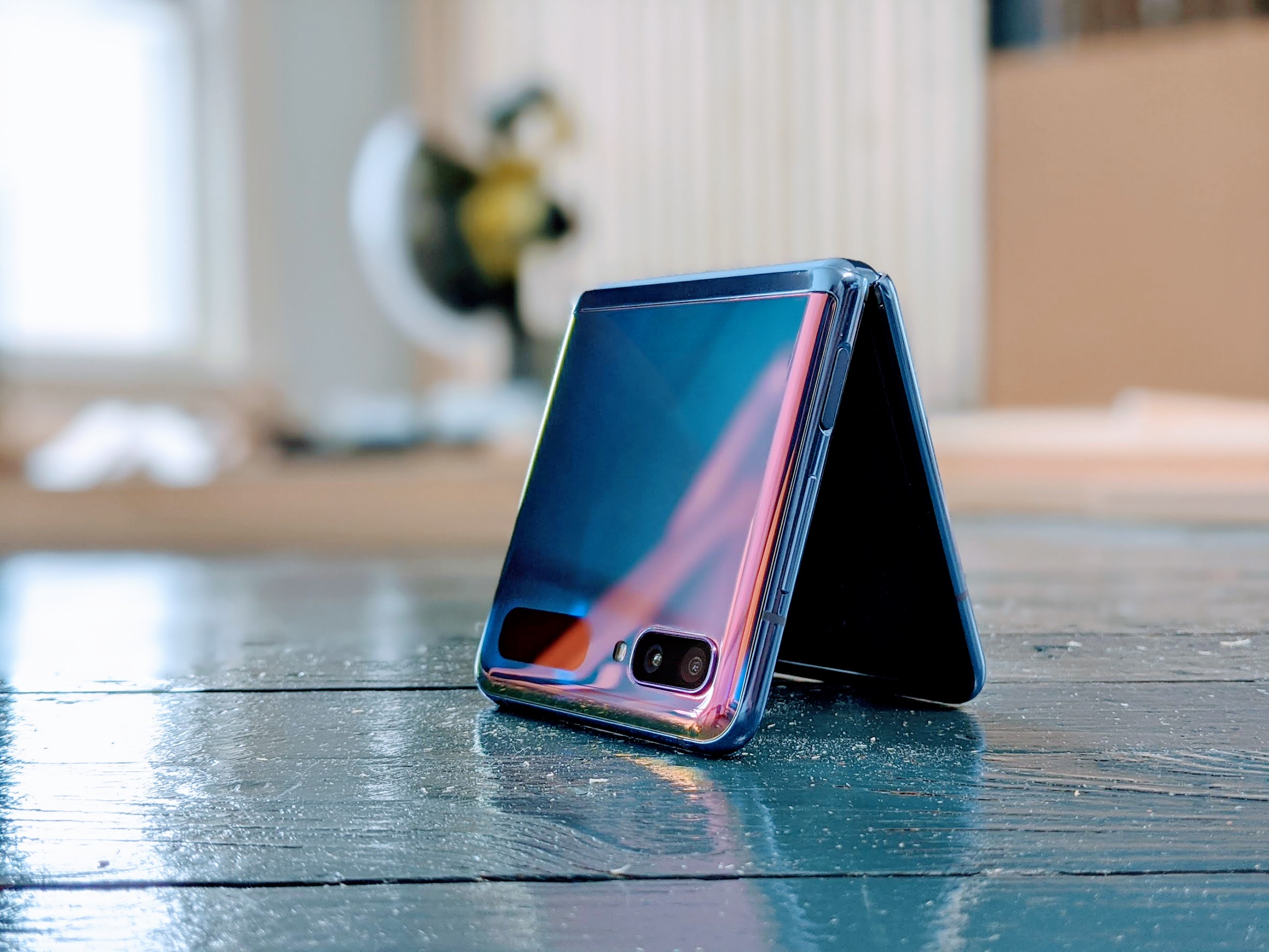
Samsung appears determined to slim down its foldable lineup, moving away from the “pocket brick” feel of earlier generations. Early whispers regarding the Galaxy Z Flip 8 suggest that Samsung is focusing heavily on industrial design to create its most pocketable device yet. If the rumors are accurate, we are looking at a device that measures just 6mm when unfolded and 12mm when closed. This roughly 10% reduction in thickness compared to the Z Flip 7 means it should slide into pockets far more easily, solving one of the lingering ergonomic issues of the Samsung Galaxy Z series.
The weight is also reportedly coming down. The Galaxy Z Flip 8 is rumored to weigh in at about 170g, which is surprisingly light for a phone that essentially carries two screen assemblies. Beyond just the physical dimensions, Samsung is reportedly refining its hinge mechanism to further reduce the visibility of the screen crease and improve long term durability. These refinements are essential as competitors continue to push the boundaries of foldable hardware.
Performance and Next-Gen Hardware
Powering this slimmed-down frame is expected to be the Exynos 2600 chipset. Built on a cutting-edge 2nm manufacturing process, this SoC should offer significant efficiency gains, which is crucial for a device with limited internal space for heat dissipation. When you pair that processor with a healthy 12GB of RAM, the Z Flip 8 looks like a multitasking champ that won’t require the performance compromises often associated with ultra-thin foldables. Storage configurations will likely follow the current trend, starting at 256GB and topping out at 512GB.
Battery Life and Reliability
Battery capacity is often the Achilles’ heel of flip phones, but Samsung is looking to address this. The Z Flip 8 may sport a battery capacity of 4,300mAh or even higher. For users who spend their day scrolling through social feeds or jumping into video calls, this bump in capacity should provide a comfortable cushion to last until bedtime. It is a necessary upgrade, especially as software features become more demanding. It is worth noting how Samsung’s battery strategy compares to other brands, such as the OnePlus 15R, which recently made headlines for its massive cell, though the Flip series stays focused on extreme portability.
Pricing and Expected Launch
On the financial side, expects are currently pointing toward an $1,100 launch price. This would keep the Z Flip 8 aligned with the Z Flip 7, allowing Samsung to remain competitive while maintaining its premium branding. We expect to see an official unveiling in the summer of 2026, most likely in July if Samsung follows its established launch rhythm.
While we have seen some leaked Apple foldable iPhone rumors circulating lately, Samsung’s head start in the market gives them a clear advantage in iterative design. If these thickness and weight targets are met, the Z Flip 8 might finally be the effortless, everyday device Samsung has promised since the start of the foldable era.