| Metric | Value | Unit | Notes |
|---|---|---|---|
| Inner Display Size | 7.76 | inch | Resolution: 2,713 x 1,920 |
| Outer Display Size | 5.5 | inch | Landscape-oriented wide profile |
| Thickness (Unfolded) | 4.8 | mm | Excludes camera protrusion |
| Thickness (Folded) | 9.6 | mm | Engineered for a crease-free hinge |
| Build Materials | Titanium / Aluminum | — | Mixed metal frame for durability |
| Expected Launch | September 2026 | — | Codenamed V68 |
A major leak involving Apple’s upcoming foldable iPhone (internally known as V68) has finally given us a look at the device’s blueprint through detailed CAD renders. While many brands have rushed to launch folding phones, Apple appears to be aiming for a specific intersection of portability and productivity. The design suggests a device that functions like a standard, though wider, phone in the pocket but unfolds to offer an experience strikingly similar to an iPad mini.
Scheduled for a possible launch in late 2026, the leaked Apple foldable showcases a 5.5 inch outer display. Interestingly, it measures 83.8mm wide and 120.6mm tall when closed. This wider than tall orientation is a departure from the “remote control” tall aspect ratios we see on many modern smartphones, making it feel more natural for one handed typing and fitting more securely into side pockets.
A True Tablet Experience Unfolded
The real magic happens when the device opens up. The CAD data reveals a massive 7.76 inch inner screen with a resolution of 2,713 x 1,920. This pushes the iPhone into tablet territory, providing plenty of breathing room for split screen multitasking or intensive note taking. One of the most impressive technical feats is the thickness. At just 4.8mm when unfolded, it is thinner than most flagship phones on the market today.
Apple is reportedly using laser drilled microstructures within the display panel to ensure a crease free surface. This has been a persistent challenge for the industry, and historical data on Apple’s first foldable iPhone suggests the company has spent years perfecting this specific mechanism to avoid the visual dips found on earlier rival devices.
Comparing Hardware and Durability
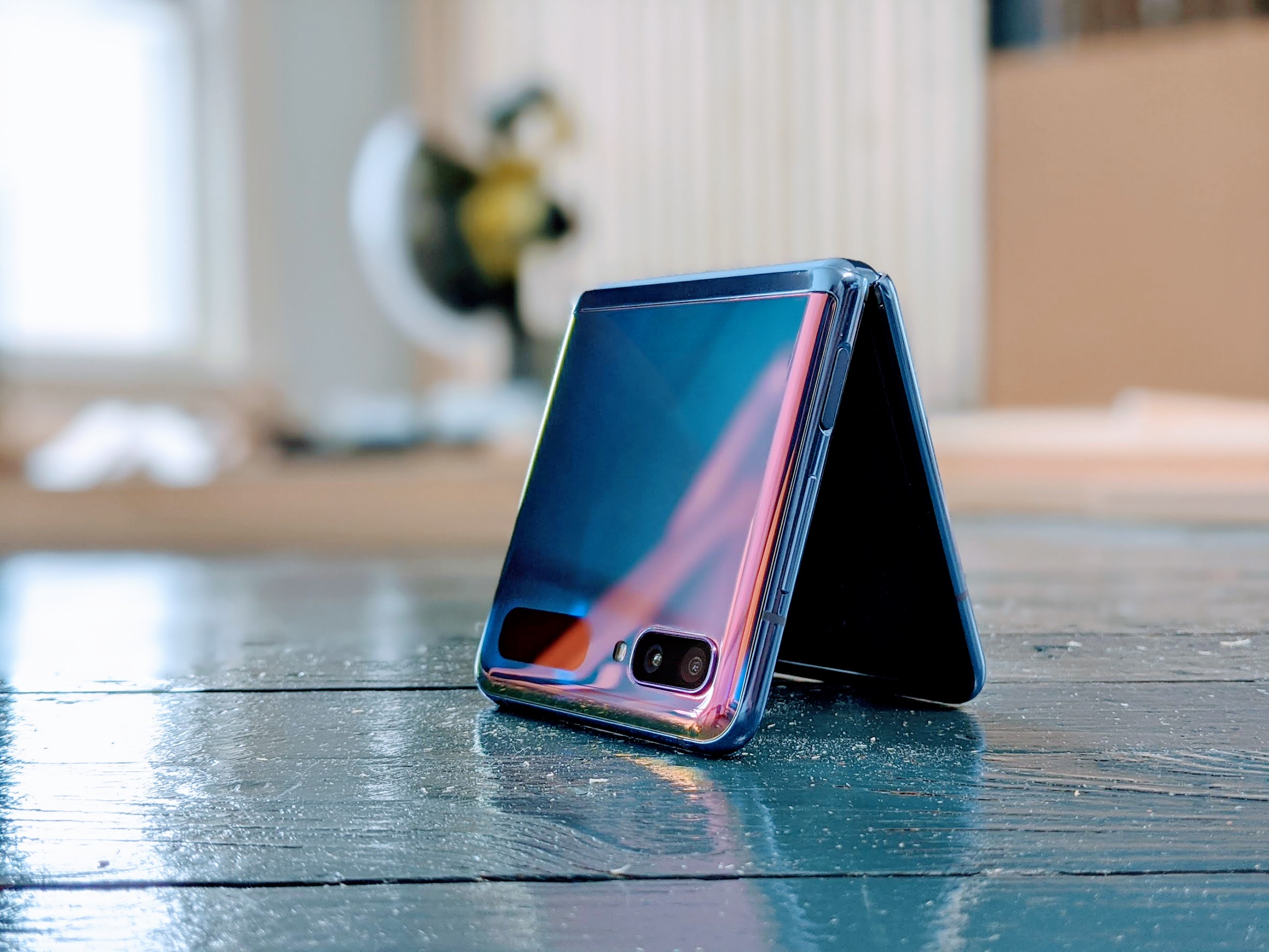
When put side by side with the competition, the iPhone foldable takes a slightly different path. At 9.6mm thick when folded, it is a bit bulkier than the Galaxy Z Flip 8 or similar slim foldables from Samsung. However, this extra half millimeter or so is a deliberate choice. Apple is prioritizing a robust mixed titanium and aluminum frame and the space required for that crease free hinge technology over chasing the record for the world’s thinnest device.
The squarer profile when folded feels less like a traditional slab and more like a small notepad. This choice should address a common complaint about foldables having narrow, cramped external screens. By giving the outer display more width, Apple makes the device fully functional without ever needing to open it.
Photography and Seamless Displays
On the back, the leaked renders point toward a dual camera system reminiscent of the upcoming iPhone 17 lineup. This indicates Apple is focusing on high quality primary sensors rather than cluttering the back with multiple lenses of varying quality. For those who love binge watching content, the inner screen is rumored to feature an under display selfie camera. This means no notch and no “dynamic island” cutout on the large canvas, offering a completely uninterrupted view for movies and games. While others have tried under display cameras with mixed results in image quality, Apple usually waits until the tech can meet their strict standards before implementation.