| Metric | Value | Unit | Notes |
|---|---|---|---|
| Inner Display Size | 7.76 | inch | Unfolded OLED with microstructures |
| Outer Display Size | 5.5 | inch | 83.8mm wide squarer orientation |
| Inner Resolution | 2,713 x 1,920 | pixels | iPad mini rivaling density |
| Thickness (Open) | 4.8 | mm | Excludes camera bump |
| Thickness (Closed) | 9.6 | mm | Engineered for crease elimination |
| Build Materials | Titanium / Aluminum | — | Mixed alloy for durability |
| Target Launch | September 2026 | — | Subject to production volume |
The long awaited Apple foldable has finally stepped out of the shadows. New CAD leaks for the device, reportedly codenamed V68, suggest that Apple is aiming for a form factor that bridges the gap between a standard smartphone and the iPad mini. While the industry has seen plenty of folding slabs, this leak indicates a design philosophy focused on horizontal utility rather than just vertical height.
Instead of the tall and narrow cover screens we see on many competitors, Apple appears to be going wide. The folded outer display measures about 5.5 inches, but it is the width of 83.8mm that stands out. This squarer profile should make the device feel much more substantial for one handed use, avoiding the cramped feeling often found on narrower foldables. It is a design meant to slip comfortably into a side pocket while offering a canvas that feels natural for a quick text or check of the weather.
A Tablet in Your Pocket
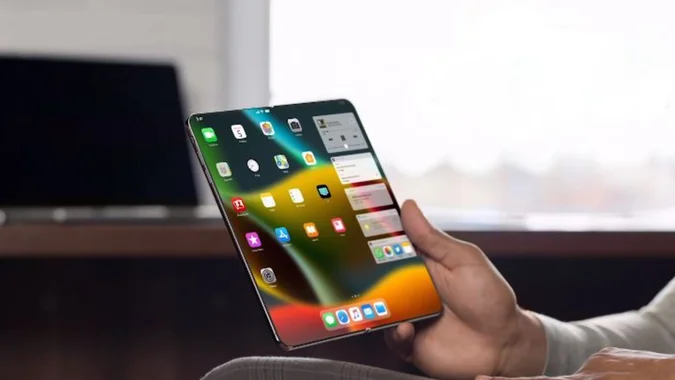
When you open the device, things get even more impressive. The inner screen expands to a 7.76 inch display with a resolution of 2,713 x 1,920. For those keeping track, that is nearly identical to the footprint of an iPad mini. This makes it a perfect candidate for serious multitasking, split screen apps, or sketching on the go. Even more interesting is the thickness. At just 4.8mm when unfolded, it is remarkably thin, yet it manages to skip the notch entirely by using an under display camera system.
One of the biggest hurdles for any folding phone is the display crease. Samsung has made strides, but the galaxy z flip 8 still battles physics. Apple seems to be taking a different route by using laser drilled microstructures in the screen panel. These allow the display to bend more naturally without the permanent dip in the middle. The CAD data suggests Apple is willing to accept a slightly thicker 9.6mm folded profile if it means the screen remains perfectly flat when open.
Durability and Camera Strategy
Apple isn’t just focusing on the screen tech. The frame is reportedly a mix of titanium and aluminum, balancing the need for structural rigidity with weight management. In a world where supply shortages are always a concern for cutting edge tech, these premium materials suggest a high end positioning when it finally arrives around September 2026.
As for the optics, the leaked renders point toward a dual rear camera setup reminiscent of what we expect from the iPhone 17. Apple seems to be prioritizing the overall ergonomics and screen quality over a massive camera array that would add too much bulk. By the time this hits the market, the exynos 2600 and other silicon rivals will be in full swing, but Apple’s focus on a crease free, tablet sized experience in a pocketable form could be the factor that defines the next era of the iPhone.