| Metric | Value | Unit | Notes |
|---|---|---|---|
| Folded Thickness | 6 | mm | Rumored measurement when closed |
| Unfolded Thickness | 12 | mm | Rumored measurement when open |
| Weight | 170 | g | Approximately 10% lighter than Z Flip 7 |
| Processor (SoC) | Exynos 2600 | — | 2nm process technology |
| RAM / Storage | 12 / 256-512 | GB | LPDDR5X RAM / UFS 4.0 Storage expected |
| Battery Capacity | 4,300 | mAh | Or higher, dual-cell architecture |
| Launch Price | 1,100 | USD | Expected to match Z Flip 7 pricing |
| Expected Launch | Summer 2026 | — | Likely July based on Samsung’s schedule |
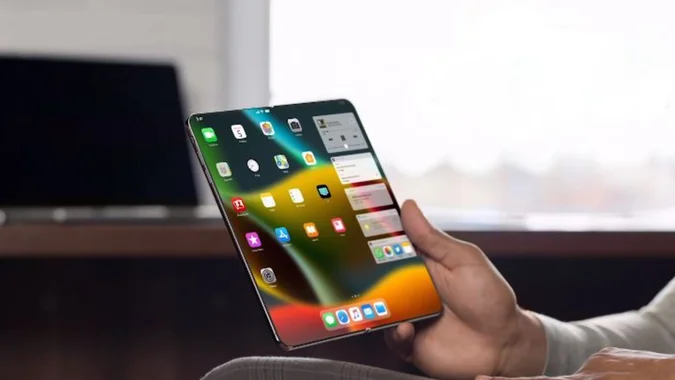
Remember that awkward bulge in your pocket when you first tried a foldable phone? That thick, folded brick feeling that made you question whether the convenience was worth the compromise? Samsung apparently remembers it too, and they’re determined to fix it. Early rumors about the Galaxy Z Flip 8 suggest the company’s next flip phone could be its slimmest yet, potentially measuring around 6mm when folded and 12mm when unfolded.
That’s roughly 10% thinner than the Z Flip 7, which should make it disappear into tight jeans or a small clutch without that telltale rectangular lump. The weight is dropping too, with the Galaxy Z Flip 8 rumored to hit about 170g. Think about that for a second, that’s lighter than most standard slab smartphones today, despite packing two screens and a hinge mechanism.
The Build Quality Evolution
What really excites me about these rumors is what they represent in the broader foldable landscape. Samsung isn’t just shaving millimeters, they’re addressing the fundamental physics problem of foldables, how to make something that folds feel solid when open and slim when closed. The company’s also reportedly working on reducing the screen crease visibility and boosting overall durability, tackling two of the most persistent complaints I hear from foldable phone users.
Picture this, you’re at a coffee shop, you pull out what looks like a compact makeup case or a slim wallet, then with a satisfying snap, it unfolds into a proper smartphone. That’s the experience Samsung seems to be chasing, and if these Galaxy Z Flip 8 rumors pan out, they might finally nail it.
Performance That Doesn’t Compromise
Under the hood, things get even more interesting. The Galaxy Z Flip 8 might pack the Exynos 2600 chipset built on 2nm process technology. For those not steeped in semiconductor jargon, that basically means more performance with less power consumption. The 2nm process represents a significant leap in efficiency, which is crucial for a device with two displays to power.
This is the same chip expected in the Galaxy S26 series, which tells you Samsung isn’t treating this as a secondary device. Pair that with 12GB of RAM, and you’ve got smooth multitasking without the usual foldable compromises where performance takes a backseat to form factor. Storage options should start at 256GB and go up to 512GB for those who need the space for photos, videos, or work documents.
The Exynos 2600 specs suggest Samsung is betting big on its in-house silicon, and if the efficiency gains are real, this could be a game changer for battery life in compact form factors.
Battery Life You Can Actually Count On
Speaking of battery life, the Z Flip 8 gets a meaningful bump to 4,300mAh or higher according to rumors. In practical terms, that should handle a full day of social media scrolling, video calls, navigation, and messaging without hunting for a charger by dinner time. That’s a smart move considering the Z Flip 7’s battery already improved over previous models.
Here’s where the consumer angle really matters, you’re not just buying specs, you’re buying freedom from battery anxiety. Imagine finishing your workday with 30% left instead of 5%, or being able to go out after work without that nagging thought about whether your phone will make it through the evening. That 4,300mAh battery, combined with the efficiency of the 2nm Exynos 2600, could deliver exactly that kind of peace of mind.
The Competitive Landscape
Pricing is expected to stay around $1,100, matching the Z Flip 7’s launch price. That keeps Samsung competitive against Motorola’s Razr lineup while maintaining the premium flip phone experience. It’s a delicate balance, charge too much and you price out early adopters, charge too little and you compromise on materials or features.
Look for a summer 2026 launch, likely July if Samsung sticks to its usual schedule. This timing is interesting because it puts the Z Flip 8 in direct competition with whatever Apple might have cooking in the foldable space. While Samsung refines its formula, Apple’s first foldable iPhone is reportedly facing its own challenges, which could give Samsung valuable runway to establish its slim foldable as the premium standard.
Why This Matters Beyond Just Phones
What’s fascinating from an industry perspective is how Samsung’s foldable ambitions fit into their broader technology strategy. The same company pushing the boundaries of smartphone form factors is also making big moves in display technology across other categories. While they slim down their flip phones, they’re simultaneously expanding their micro RGB TV series with massive displays that represent the other end of the screen size spectrum.
This isn’t accidental, it’s strategic. Samsung is betting that flexible display technology will define the next decade of personal computing, from phones that fold to tablets that roll to TVs that disappear into your wall. The Z Flip 8 represents the consumer-facing tip of that technology iceberg.
If these rumors pan out, the Galaxy Z Flip 8 could finally deliver the portable flip phone experience Samsung’s been chasing since the original Z Flip. It’s not just about being thin, it’s about being thin without compromise, about having a device that feels premium in your hand and disappears in your pocket, about technology that adapts to your life rather than forcing you to adapt to it.
We’re still a year out from launch, and rumors are just that, rumors. But if Samsung can deliver on these early whispers, the Z Flip 8 might just make foldables feel less like a compromise and more like the obvious next step in smartphone evolution.