| Metric | Value | Unit | Notes |
|---|---|---|---|
| Display Size & Type | 6.77 | inch | Curved AMOLED panel |
| Processor (SoC) | Snapdragon 6 Gen 3 | — | 4nm process, budget-focused chipset |
| RAM Configuration | Up to 12 | GB | Recommended for best performance |
| Main Camera | 108 | MP | High-resolution primary sensor |
| Ultra-wide Camera | 8 | MP | Secondary shooter for wider scenes |
| Front Camera | 20 | MP | Selfie and video calling |
| Battery Capacity | 5,520 | mAh | Substantial capacity for all-day use |
| Wired Charging | 45 | W | Fast charging support |
| IP Rating | IP66 | — | Dust and water protection |
| Operating System | Android 15 | — | With Hyper OS 2 interface |
Xiaomi is at it again, expanding its smartphone lineup with the global launch of the Redmi Note 15. This device sits at the entry point of the new Note 15 series, with the Note 15 Pro+ occupying the premium slot. If you’ve handled last year’s Redmi Note 14 Pro, you’ll feel right at home here. Xiaomi has carried over that familiar curved display and rear panel design, complete with the distinctive large camera island that’s become a signature look.
That Display Feel
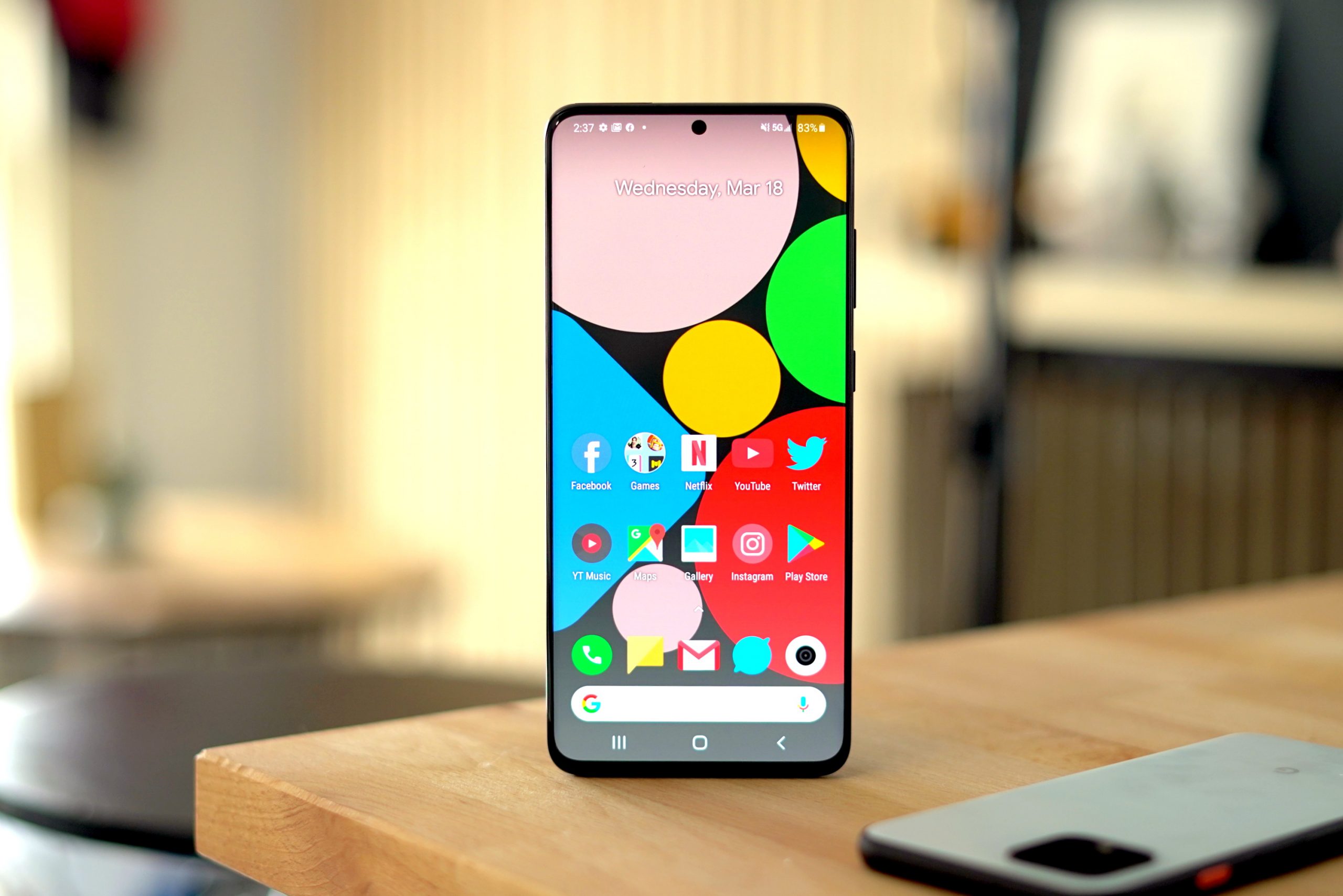
Pick up the Redmi Note 15 and the first thing you notice is that 6.77-inch AMOLED screen. It’s not just about size, it’s about how content looks on it. AMOLED technology means deep blacks and vibrant colors that make everything from streaming videos to scrolling social media feel more immersive. The curved edges aren’t just for show, they give the phone a sleek, premium feel in hand that belies its budget positioning.
The plastic chassis might sound like a compromise, but don’t let that fool you. It’s built tough with an IP66 rating that means you don’t have to panic if you get caught in the rain or accidentally spill something nearby. This is a phone that can handle real life, not just sit pretty on a shelf.
Performance That Keeps Up
Under the hood, the Snapdragon 6 Gen 3 chip does the heavy lifting. Now, I know what you’re thinking, budget processor equals sluggish performance. But here’s the thing, Snapdragon processors in this tier have come a long way. This 4nm chip is designed specifically for devices that need to balance performance with power efficiency.
My advice? Spring for the 12GB RAM version if you can. Having that extra memory means you can jump between apps without them reloading, keep multiple browser tabs open while streaming music, and generally use your phone the way most of us actually do, without constantly waiting for things to catch up.
Camera Capabilities
Let’s talk about that camera system. The 108MP main sensor isn’t just a big number for marketing. In practical terms, it means you can crop into photos later and still have plenty of detail. Imagine taking a shot of a city skyline, then zooming in on a particular building and actually being able to see the windows clearly.
The 8MP ultra-wide gives you flexibility for landscapes or group shots where you need to fit everyone in. And that 20MP front camera? It’s more than enough for clear video calls and decent selfies. The camera software does a good job of processing images quickly, so you’re not waiting around after hitting the shutter button.
Daily Driver Material
Where this phone really shines is in daily usability. That 5,520mAh battery is substantial. We’re talking about getting through a full day of use without constantly checking your battery percentage. When you do need to top up, 45W charging means you can get a significant boost during a quick coffee break.
Android 15 with Xiaomi’s Hyper OS 2 on top feels smooth and responsive. The interface has been cleaned up over the years, with fewer intrusive ads and bloatware than some of Xiaomi’s earlier software iterations. It’s a software experience that gets out of your way and lets you use your phone.
From an industry perspective, what’s interesting here is how Xiaomi continues to push what’s possible in the budget segment. They’re taking components and technologies that were premium just a couple of years ago, like high-refresh-rate AMOLED displays and high-resolution camera sensors, and making them accessible at much lower price points.
The Value Proposition
Compared to other devices in its class, the Redmi Note 15 offers a compelling mix of features. While some competitors might beat it in one specific area, like pure processing power or camera versatility, this phone delivers a well-rounded package. It’s the kind of device that makes sense if you want a good screen, decent cameras, and battery life that won’t leave you stranded, all without breaking the bank.
Think about your typical day. Morning commute with podcasts or music, checking emails and messages throughout the day, maybe some light gaming during breaks, streaming video in the evening. The Redmi Note 15 handles all of that without breaking a sweat. It’s not trying to be a flagship killer, it’s trying to be a reliable daily companion that doesn’t demand constant attention or charging cables.
In a market where mid-range value is increasingly competitive, Xiaomi’s global expansion with the Redmi Note 15 shows they’re serious about capturing budget-conscious consumers who still want premium touches. It’s a phone that understands most people don’t need the absolute latest and greatest, they just need something that works well day in and day out.
The curved display feels premium in hand, the camera system covers the basics well, and that battery capacity means you can actually use your phone without constantly worrying about finding an outlet. For anyone looking to upgrade from an older budget device or stepping into the smartphone world for the first time, the Redmi Note 15 makes a strong case for itself as a practical, no-nonsense choice that delivers where it matters most.