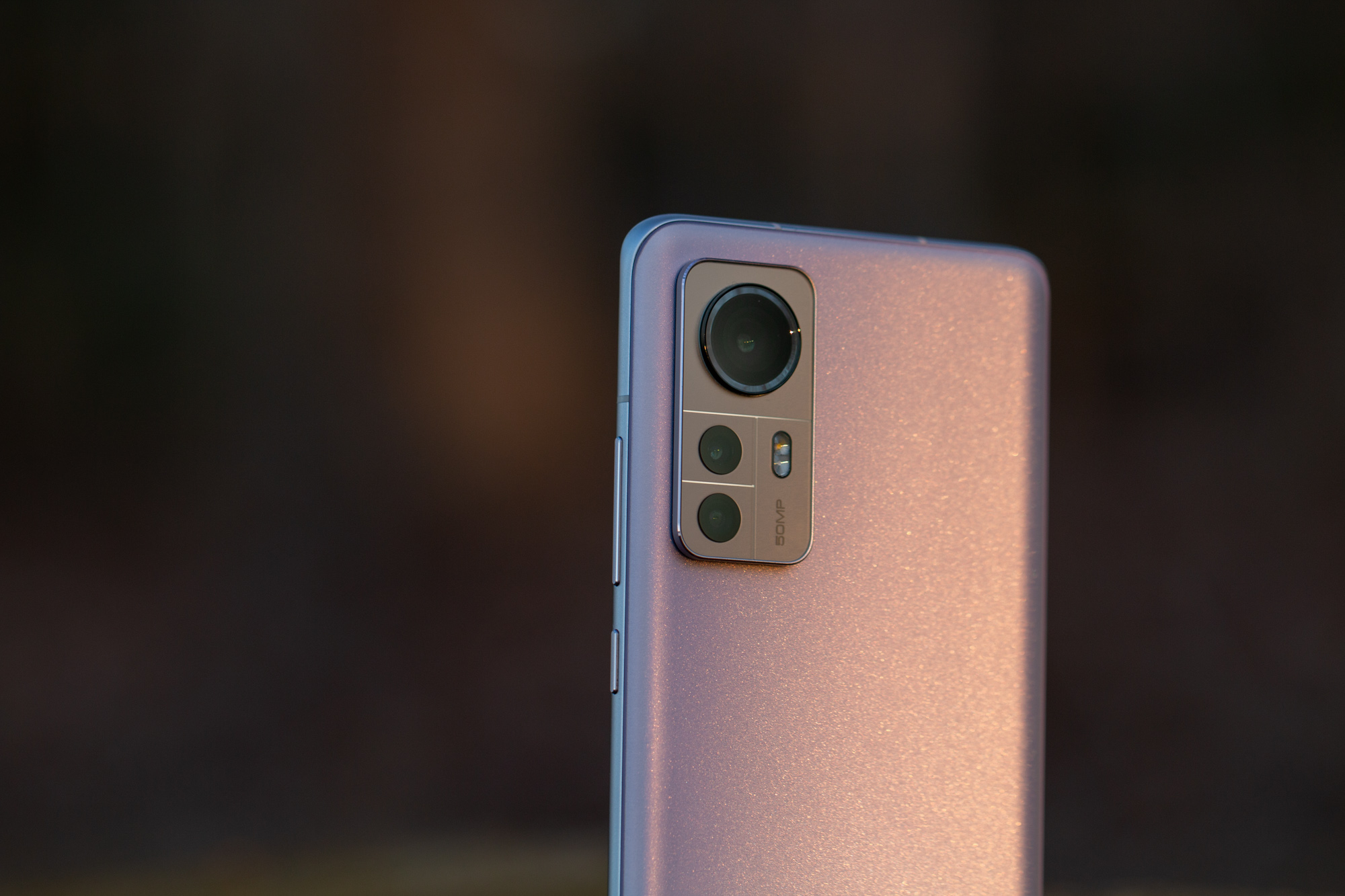
Picking up the Redmi Note 15 Pro Plus for the first time, there’s a moment where you forget this is supposed to be a budget phone. The weight feels substantial in a good way, like holding something that matters. Xiaomi’s latest global offering arrives with upgrades that make you wonder how they’re hitting this price point, and after spending time with it, the answer seems to be smart engineering rather than cutting corners.
| Metric | Value | Unit | Notes |
|---|---|---|---|
| Display Size & Type | 6.83 | inch | AMOLED, 120Hz refresh rate |
| Peak Brightness | 3,200 | nits | Maximum brightness in high brightness mode |
| Processor (SoC) | Snapdragon 7s Gen 4 | — | 4nm process technology |
| RAM / Storage | 12 / 512 | GB | Maximum configuration available |
| Battery Capacity | 6,500 | mAh | Dual-cell architecture |
| Wired Charging | 100 | W | Proprietary fast charging technology |
| Main Camera Sensor | 200 | MP | High-resolution primary sensor |
| Ultra-wide Camera | 8 | MP | Wide-angle secondary camera |
| Front Camera | 32 | MP | Selfie and video call camera |
| IP Rating | IP69K | — | Dust tight and high-pressure water resistant |
| Display Protection | Gorilla Glass Victus 2 | — | Corning’s latest protective glass |
That Premium Feel Without the Price Tag
Xiaomi calls it “Redmi Titan Durability,” and while marketing terms often overpromise, this one delivers. The fibreglass rear panel has a subtle texture that provides grip without feeling cheap. Run your fingers along the sides and you’ll find plastic, but it’s the good kind, the sort that doesn’t immediately scream “budget phone.” The whole package comes together with a confidence that makes you want to use it without a case, though the IP69K rating means you probably could.
That rating isn’t just for show. IP69K means this phone can handle high-pressure water jets and complete dust ingress protection. In practical terms, it survives accidental splashes, rain, and the general grime of daily life. For a phone that’s positioned as a global budget contender, this level of protection is unusually generous.
A Display That Makes You Look Twice
Power on the 6.83-inch AMOLED screen and the first thing you notice is how bright it gets. 3,200 nits of peak brightness isn’t just a number on a spec sheet, it’s the difference between squinting at your phone in direct sunlight and actually being able to see what’s on screen. The 120Hz refresh rate gives everything a fluidity that feels premium, from scrolling through social media to navigating menus.
The curved edges give it that 2.5D effect we saw on older flagship phones, creating a seamless transition from screen to frame. Yes, the bezels are thicker than what you’d find on a $1,000 smartphone, but they’re not distractingly so. What matters more is how this display performs where it counts, in daily use, and here it excels. Colors pop with AMOLED’s characteristic vibrancy, blacks are properly black, and the high resolution means text looks crisp even when you’re reading for hours.
Performance That Handles Real Life
The Snapdragon 7s Gen 4 chipset inside represents Qualcomm’s smart play in the mid-range segment. Built on a 4nm process, it balances performance with efficiency in a way that makes sense for most users. You won’t be setting benchmark records, but you also won’t notice slowdowns during everyday tasks. Switching between apps feels snappy, social media scrolling is smooth, and even light gaming works well.
Pair that processor with up to 12GB of RAM and 512GB of storage, and you have a phone that can handle multitasking without breaking a sweat. From a supply chain perspective, Xiaomi’s ability to offer these specs at this price point speaks to their scale and component sourcing relationships. They’re leveraging their position as one of the world’s largest smartphone makers to deliver value that smaller brands simply can’t match.
Cameras That Capture More Than Expected
Here’s where things get interesting. The 200MP main camera sounds like overkill until you start using it. In good light, photos have impressive detail that holds up even when you zoom in. That high resolution means the phone can use pixel binning, combining multiple pixels into one larger virtual pixel for better light capture in low-light situations.
The 8MP ultra-wide gives you flexibility for landscapes and group shots, while the 32MP front camera handles selfies and video calls with more detail than most budget phones offer. Video recording tops out at 4K 30fps on the main camera, which is perfectly adequate for capturing family moments or short clips. What surprised me was how well the camera handled challenging lighting, producing usable shots in situations where I expected disappointment.
The Battery That Changes Your Routine
Let’s talk about that 6,500mAh battery. In practical terms, this means two days of moderate use on a single charge. For heavy users, it still gets through a full day with plenty to spare. The psychology of battery anxiety disappears with this kind of capacity. You stop checking battery percentages throughout the day because you know it’s not going to die on you.
When you do need to charge, the 100W wired charging brings the phone from empty to full in about 30 minutes. That’s not just fast, it’s life-changing fast. Forget to charge overnight? Plug it in while you shower and have breakfast, and you’re good to go. This combination of massive capacity and rapid charging puts the Redmi Note 15 Pro Plus in rare company, competing with dedicated battery powerhouse phones that cost significantly more.
Software That Needs Some Housekeeping
Hyper OS 2 comes pre-installed with what can only be described as a generous helping of apps. Some are useful, others feel like clutter. The good news is you can uninstall most of them, returning the phone to a cleaner state. Once you’ve done that housekeeping, the software experience is smooth and responsive, with Xiaomi’s customizations adding useful features without overwhelming the Android foundation.
From an industry perspective, this bloatware approach represents the ongoing tension between manufacturer revenue streams and user experience. Xiaomi, like many Chinese manufacturers, uses pre-installed apps and services as additional revenue sources. It’s a trade-off that keeps hardware prices low but requires users to spend a few minutes customizing their new device.
The Value Proposition That Makes Sense
What stands out about the Redmi Note 15 Pro Plus isn’t any single feature, but how everything comes together. The build quality feels better than the price suggests. The display looks more expensive than it is. The battery life eliminates a daily pain point for smartphone users. The cameras perform above their weight class.
This phone represents Xiaomi’s understanding of what matters to real users. They’ve focused resources on areas that impact daily experience, like battery life and display quality, while making sensible compromises elsewhere. The plastic sides don’t detract from the overall premium feel. The Snapdragon 7s Gen 4 won’t win benchmark wars but handles everything most people actually do with their phones.
As part of the broader Redmi Note 15 series global expansion, the Pro Plus model shows how far budget phones have come. It’s not just about being cheap anymore, it’s about delivering genuine value where it counts. For users who want premium features without the premium price, who prioritize battery life and display quality over bragging rights, this phone makes a compelling case for itself.
The final piece of the puzzle will be pricing, which hasn’t been announced yet. Based on Xiaomi’s history and the competitive landscape, expect it to sit in that sweet spot where the specs feel almost too good for the money. If that holds true, the Redmi Note 15 Pro Plus won’t just be a smart budget option, it’ll be a reminder of how much smartphone you can get when manufacturers focus on what actually matters to users.