Imagine this: It’s fall 2026, and Apple finally unveils the device we’ve all been waiting for. The first foldable iPhone. The excitement is palpable. You’re ready to pre-order, credit card in hand, dreaming of that satisfying snap as you fold your phone into a compact square. But here’s the reality check you might not want to hear. Getting your hands on one could feel like winning the lottery, and that scarcity might last well into 2027.
The Timeline That Tests Patience
According to analyst Ming-Chi Kuo, Apple’s foldable iPhone remains on track for a late 2026 announcement, likely during their usual September or October event. The company will show off what’s undoubtedly an engineering marvel. But then comes the hard part. Actually buying one.
Kuo warns that “smooth shipments” won’t happen until 2027. That’s not a typo. We’re talking about constrained supply through at least the end of 2026, with many shoppers facing weeks or even months of waiting. If you thought getting the latest iPhone Pro was tough during launch season, buckle up. This is a whole different ballgame, as detailed in our previous analysis of why Apple’s first foldable iPhone might be nearly impossible to find.
Why Foldables Are So Damn Hard to Make
Let’s talk about what makes foldable phones different from the slab-style devices we’re used to. It’s not just adding a hinge and calling it a day. The engineering challenges are immense.
First, there’s the display. We’re talking about ultra-thin glass that needs to flex thousands of times without developing permanent creases. Then there are the multiple display layers that have to move in perfect harmony. The hinge mechanism itself is a masterpiece of miniature engineering, requiring dozens of tiny components working together with surgical precision.
Apple is reportedly still finalizing certain hardware elements, including that crucial hinge mechanism. In the supply chain world, this is what we call “risk.” When you’re dealing with components this delicate and complex, early production yields are typically low. Factories need time to gain experience, optimize processes, and reduce defect rates.
Picture a factory worker assembling their hundredth foldable display versus their thousandth. The difference in quality and speed is dramatic. This learning curve is why Apple will likely start with very conservative production volumes, then gradually ramp up as yields improve.
What This Means for You, the Buyer
Here’s where it gets personal. If you’re planning to be an early adopter of Apple’s foldable iPhone, you need to manage your expectations. Launch-year stock could disappear in minutes, not hours. We’re talking about specific storage configurations and colors becoming unicorns.
Smaller markets might get particularly short-changed. If you’re not in a major launch country, your wait could be measured in months rather than weeks. And let’s talk price. Given the complexity and Apple’s premium positioning, expect an ultra-premium price tag that makes current iPhone Pro Max models look affordable.
This creates an interesting dynamic. The first-generation foldable iPhone might function more as a halo product than a mainstream device. It’s the tech status symbol that says, “I not only have the latest Apple device, but I also managed to actually get one.”
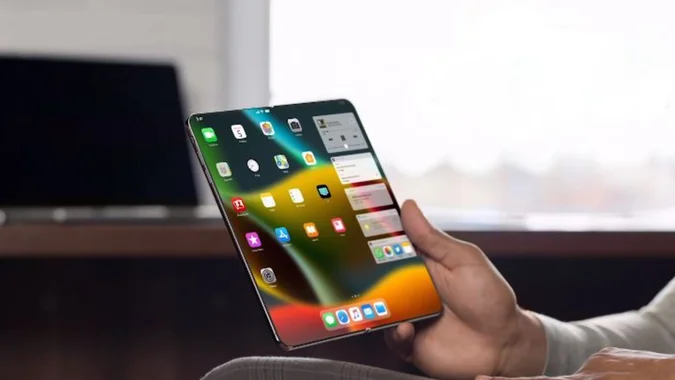
For those curious about what this elusive device might actually look like, recent Apple foldable iPhone leaks suggest a pocket-sized iPad Mini experience that could redefine how we think about mobile productivity.
The Ripple Effect Across the Market
Apple’s entry into the foldable space is a game-changer for the entire category. It instantly legitimizes foldables for mainstream buyers who’ve been sitting on the fence. But here’s the twist. Early shortages might actually benefit competitors.
Samsung’s Galaxy Z Fold series, Google’s Pixel Fold, and other Android foldables could hold onto market share longer than expected. If someone wants a foldable phone in 2026 or early 2027 and can’t get Apple’s version, they might just settle for what’s available.
This is particularly relevant as Samsung continues to refine its own offerings. Rumors about the Galaxy Z Flip 8 point to Samsung’s thinnest, most refined foldable yet, showing that the competition isn’t standing still while Apple works through its production challenges.
To Wait or Not to Wait
So what’s a savvy tech enthusiast to do? Kuo’s forecasts suggest the iPhone Fold might sell in the “teens of millions” by 2027. That sounds like a lot, but remember, Apple typically sells hundreds of millions of iPhones annually. This implies a gradual climb from limited early supply to true mass-market volumes over the next couple of years.
Some users might skip this first-generation model entirely if supply stays tight into 2027. They’ll wait for a second-generation foldable, especially if rumors point to better durability, refined designs, or wider availability down the line.
There’s wisdom in this approach. First-generation products often come with growing pains. By the time supply normalizes in 2027, we might already be hearing about the second-generation model with improved hinge mechanisms, better display technology, and potentially lower prices.
As we’ve seen with other major supply crunches in Apple’s history, patience often pays off. The early adopters get bragging rights, but those who wait a generation often get a more polished product at better availability.
The Bottom Line
Apple’s first foldable iPhone represents one of the most significant hardware transitions since the original iPhone debuted in 2007. The excitement is justified. The engineering challenges are real. And the supply constraints are likely to be frustratingly persistent.
If you’re determined to be among the first to experience Apple’s vision for foldable technology, start preparing now. Set aside the budget for what will undoubtedly be a premium price. Be ready to act fast when pre-orders open. And most importantly, cultivate patience. That satisfying fold might be worth the wait, even if the wait tests your resolve.
The foldable future is coming. It just might take a little longer to reach your pocket than anyone hoped.