After years of speculation and countless patent filings, Apple’s first foldable iPhone is finally taking shape in leaked CAD renders. What we’re seeing isn’t just another folding phone, it’s something genuinely different. Apple appears to be solving the fundamental problems that have plagued foldables since their inception, and they’re doing it with that characteristic Apple approach, prioritizing experience over spec sheet bragging rights.
| Metric | Value | Unit | Notes |
|---|---|---|---|
| Outer Display Size | 5.5 | inch | 83.8mm wide × 120.6mm tall when folded |
| Inner Display Size | 7.76 | inch | 167.6mm × 120.6mm unfolded, near iPad mini dimensions |
| Inner Display Resolution | 2,713 × 1,920 | pixels | High pixel density for sharp text and media |
| Thickness (Folded) | 9.6 | mm | Includes camera bump, mixed titanium/aluminum frame |
| Thickness (Unfolded) | 4.8 | mm | Excluding camera bump, thinner than iPhone Air |
| Expected Launch | September 2026 | — | Codenamed V68, subject to supply chain availability |
| Camera System | Dual Rear + Under-Display | — | Similar to iPhone 17, no visible notch on inner screen |
| Display Technology | Crease-Free | — | Laser-drilled microstructures, no visible crease |
The Pocket-Sized iPad Mini Experience
Here’s where Apple’s approach gets interesting. When folded, this device measures 83.8mm wide by 120.6mm tall, creating a wider-than-tall orientation that feels fundamentally different from today’s towering smartphone slabs. It slips into side pockets with an ease that current phones can only dream of. But the real magic happens when you unfold it.
That 7.76-inch inner screen expands to 167.6mm by 120.6mm, dimensions that nearly match an iPad mini. Imagine having that tablet experience, complete with comfortable split-screen multitasking and note-taking capabilities, but it folds down to something that actually fits in your pocket. This isn’t just incremental improvement, it’s rethinking what a portable device can be. The previous leaks about Apple’s foldable iPhone hinted at this direction, but these CAD renders confirm the execution.
Engineering the Impossible: A Truly Crease-Free Display
Foldable displays have always had one glaring weakness, the visible crease down the middle where the screen bends. Samsung, Huawei, and others have made progress, but that faint line remains. Apple seems to have cracked this problem with laser-drilled microstructures, a manufacturing technique that allows the display to bend without creating that distracting visual artifact.
Think about watching a movie or reading an article on a completely flat, uninterrupted surface. No more distracting shadow down the center, no more feeling that ridge under your thumb as you scroll. This is the kind of attention to detail that separates Apple products, solving a problem most people assumed was just part of the foldable experience.
Design Philosophy: Substance Over Slimness
Here’s where Apple makes a deliberate choice that tells us a lot about their priorities. At 9.6mm thick when folded and 4.8mm when open, this device is slightly thicker than Samsung’s Galaxy Z Fold 7, which measures 8.9mm closed and 4.2mm open. But that extra millimeter isn’t wasted space, it’s engineering headroom.
That additional thickness accommodates the mechanisms needed for that crease-free display, plus a mixed titanium and aluminum frame that should offer serious durability. Apple is choosing a better user experience over winning the thickness war, and honestly, that’s refreshing. When you’re holding a device that feels solid in your hand, that extra fraction of a millimeter becomes irrelevant.
The wider folded stance creates what Apple fans might recognize as a squarer profile. It feels less like a traditional phone folded in half and more like a mini tablet that happens to fold. This design makes it easier to grip horizontally and enables better one-handed use when closed, directly addressing one of the biggest complaints about competing foldables with their tall, narrow outer displays.
Camera System: Quality Over Quantity
Apple appears to be taking a restrained approach to cameras, with a dual rear setup similar to what we expect from the iPhone 17. This isn’t about cramming in as many lenses as possible, it’s about optimizing the sensors they do include. The philosophy seems to be, do a few things exceptionally well rather than many things adequately.
On the inner screen, there’s an under-display selfie camera with no visible notch or punch-hole. This creates a truly uninterrupted viewing experience for video calls and media consumption. Picture watching a movie or playing a game on that expansive 7.76-inch display without any camera cutouts breaking the immersion. It’s these small details that add up to a premium experience.
How It Stacks Up Against the Competition
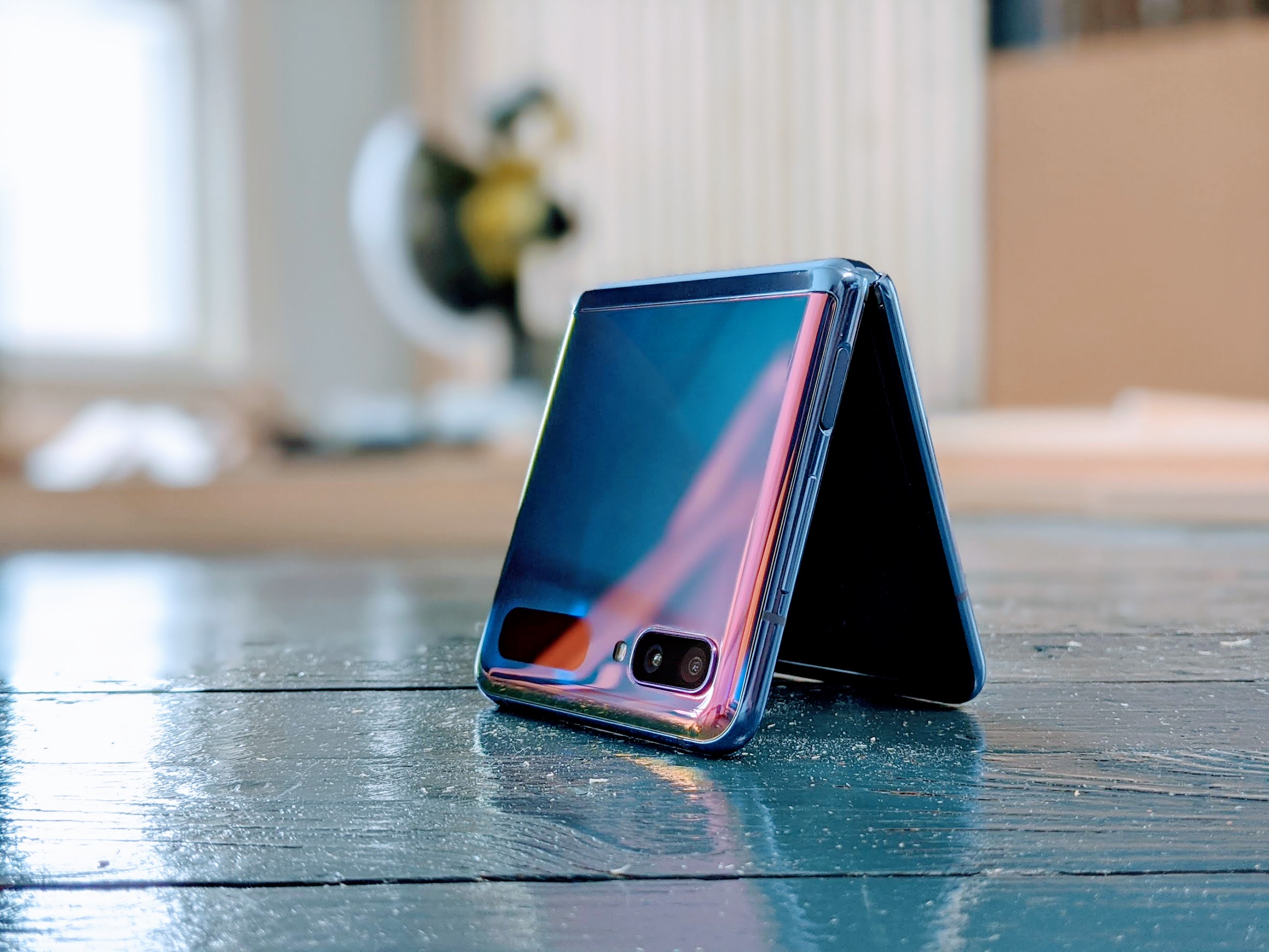
Comparing this to Samsung’s current offerings reveals two very different philosophies. Samsung has been pushing the boundaries of thinness with devices like the Galaxy Z Flip 8, while Apple seems focused on solving the fundamental usability issues first.
The extra thickness in Apple’s design accommodates engineering solutions that Samsung hasn’t implemented yet, particularly around that crease-free display. It’s the classic tortoise and hare scenario, with Apple taking their time to get the fundamentals right rather than rushing to market with the thinnest possible device.
Practical Implications and Daily Use
Let’s talk about what this actually means for your daily routine. That wider folded form factor makes it substantially easier to use one-handed for quick tasks like checking notifications or sending a text. No more awkward thumb gymnastics trying to reach across a narrow but tall screen.
When you need more screen real estate, unfolding reveals that iPad mini-sized display perfect for productivity tasks. Picture working on a spreadsheet during your commute, then folding it up to slip into your pocket when you arrive. Or watching a movie on a proper tablet-sized screen during a flight, then folding it down to something that doesn’t bulge in your jeans.
The mixed titanium and aluminum frame suggests Apple is serious about durability, addressing another common concern with foldables. Titanium provides strength without excessive weight, while aluminum helps with thermal management and overall device feel.
Supply Chain Realities and Launch Timeline
These CAD renders point to a September 2026 launch, which feels about right given Apple’s typical development cycles. However, anyone familiar with Apple’s supply chain knows that ambitious new form factors often face production challenges. The potential supply crunch for Apple’s foldable iPhone could mean limited availability at launch, something we’ve seen with other innovative Apple products in the past.
That crease-free display technology, while impressive, likely involves complex manufacturing processes that could constrain initial production volumes. Apple tends to wait until they can deliver a polished experience at scale, so if they’re targeting 2026, they’re probably confident in their supply chain readiness.
The Bigger Picture
What’s most striking about these leaks isn’t just the specifications, it’s the apparent philosophy behind them. Apple seems to have studied the foldable market carefully, identified the pain points that have kept mainstream adoption limited, and engineered solutions rather than compromises.
That crease-free display, the practical folded dimensions, the focus on durability over extreme thinness, these all point to a product designed for real-world use rather than spec sheet competitions. It’s Apple doing what Apple does best, entering a category late but with a product that redefines what’s possible.
As we look toward that 2026 launch window, one thing becomes clear. Apple isn’t just making a folding phone, they’re making the folding device they believe people actually want to use every day. And based on these CAD renders, they might just have cracked the code.