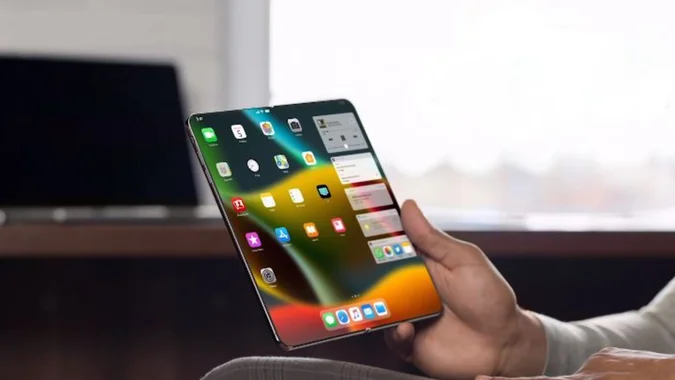
If you’ve been dreaming about folding an iPhone in half like a futuristic wallet, you might want to prepare for some serious patience. According to reliable analyst Ming-Chi Kuo, Apple’s first foldable iPhone is still on track for a late 2026 announcement, but actually getting your hands on one could be a challenge that stretches well into 2027. We’re talking about supply constraints that make today’s hottest gadget launches look like casual weekend shopping.
The Production Puzzle: Why Foldables Are So Hard to Build
Let’s break down why this is happening. Regular slab phones are relatively straightforward these days, with assembly lines that have been perfected over decades. But foldables? They’re engineering marvels that push manufacturing to its absolute limits.
Think about what makes a foldable work. You need a hinge mechanism that can survive hundreds of thousands of folds without developing that dreaded crease in the middle of your display. Apple’s still finalizing their hinge design, and getting it just right means balancing durability with that satisfying, precise snap you feel when you close the device. The haptics need to feel premium, not flimsy.
Then there’s the display itself. We’re talking about ultra-thin glass that can bend without cracking, layered with touch sensors and protective coatings that all need to flex in perfect harmony. Each layer introduces another potential failure point during production. Early yield rates for these components are notoriously low, meaning factories throw away a significant percentage of screens and hinges that don’t meet Apple’s notoriously strict quality standards.
Remember that moment when you first held a modern iPhone and felt its solid construction? Apple wants that same premium feel in their foldable iPhone, and achieving it at scale is proving to be one of their toughest manufacturing challenges yet.
The Timeline: What to Actually Expect
Here’s the reality check. Kuo suggests Apple will likely unveil their foldable during the usual fall 2026 iPhone event. You’ll see the slick marketing videos, the dramatic reveals, and all the tech reviewers getting their first hands-on time. But when pre-orders open? That’s when things get interesting.
Initial production volumes will be conservative, extremely conservative. We’re not talking about millions of units ready to ship on day one. More like carefully allocated batches that sell out in minutes, with shipping estimates quickly stretching from weeks to months. If you’re hoping for specific storage configurations or color options, you might be waiting even longer, especially if you’re in smaller markets outside Apple’s core regions.
This isn’t just speculation. Kuo’s analysis points to the iPhone Fold reaching “teens of millions” in sales only by 2027. That timeline suggests a gradual ramp from what’s essentially a limited-edition halo product to something approaching true mass-market availability. The supply constraints could realistically persist through the entire first year, with smooth, consistent shipments not happening until 2027 at the earliest.
What This Means for Your Wallet and Your Patience
Let’s talk about the practical implications. First, pricing. With limited supply and massive development costs, don’t expect any bargains here. The first foldable iPhone will likely carry an ultra-premium price tag, positioning it as a status symbol for early adopters and Apple’s most dedicated fans.
Think about your daily use case. Are you someone who needs the absolute latest technology immediately, or can you wait for the kinks to be worked out? There’s a strong argument for patience here. Early adopters often serve as beta testers for new form factors, and foldables have historically had growing pains with durability and software optimization.
Imagine you finally get your hands on one in early 2027. You’re paying top dollar for what’s essentially a first-generation product, while rumors about the second-gen model with better durability, improved hinge mechanisms, and possibly even lower prices are already circulating. That’s a tough position to be in.
The Ripple Effect Across the Market
Apple’s entry into the foldable space will instantly legitimize the category for mainstream consumers who’ve been sitting on the sidelines. But these supply constraints create an interesting opportunity for competitors.
Samsung’s Galaxy Z Fold series, Google’s Pixel Fold, and other Android foldables will have extra breathing room to refine their offerings and capture market share. They’ve been building foldables for years now, working through their own production challenges and gradually improving yields. By the time Apple’s device becomes widely available, the competition will have had several more generations to perfect their formulas.
From a supply chain perspective, this rollout reveals just how complex modern smartphone manufacturing has become. Apple works with specialized suppliers for hinge mechanisms, flexible displays, and ultra-thin glass, each with their own production bottlenecks. Ramping up requires not just Apple’s factories to get up to speed, but their entire ecosystem of component manufacturers too.
The Smart Consumer’s Playbook
So what should you actually do? If you’re absolutely determined to be among the first with a foldable iPhone, start preparing now. That means setting aside funds for what will likely be Apple’s most expensive iPhone ever, and being ready to act the moment pre-orders go live. Consider which configuration you want ahead of time, because hesitation could mean months of waiting.
But for most people, the smarter move might be waiting. The availability challenges mean you won’t be missing out on some widespread cultural moment. Your friends probably won’t have one either. By the time you can walk into an Apple Store and buy one off the shelf, you’ll be getting a more refined product with better software support and potentially even a lower price.
There’s something to be said for letting other people work through the early adopter tax, both in dollars and in frustration. Foldable technology is incredible, but it’s still maturing. Giving Apple that extra year to ramp production, improve yields, and refine their hinge and display technology could mean the difference between a good experience and a great one.
In the meantime, keep an eye on those design leaks and rumors. They’ll give you a better sense of what you’re waiting for, and help you decide if that futuristic folding iPhone is worth the wait, or if you’re better off with today’s already-excellent slab phones. Either way, the foldable future is coming, it’s just taking its time getting to store shelves.