Imagine waiting in line for the next big thing from Apple, credit card ready, only to find out you might need to wait another year just to get your hands on it. That’s the reality shaping up for Apple’s first foldable iPhone, according to industry analysts who track the company’s supply chain like hawks.
Renowned analyst Ming-Chi Kuo has dropped some sobering news for anyone dreaming of unfolding an iPhone in late 2026. While Apple appears on track to announce their foldable device during their usual fall event that year, actually buying one could feel like winning the lottery. Kuo warns that serious supply crunch will likely push widespread availability into 2027, turning Apple’s foldable debut into more of a tech status symbol than a mainstream product.
The Manufacturing Mountain Apple Has to Climb
Here’s the thing about foldable phones that doesn’t get talked about enough in keynote presentations. They’re exponentially harder to build than the slab-style smartphones we’re used to. Think about what happens every time you fold and unfold that screen. You’re asking ultra-thin glass layers to bend without cracking, demanding hinge mechanisms to operate with buttery smoothness through hundreds of thousands of cycles, and expecting display layers to maintain perfect alignment.
Apple is reportedly still finalizing their hinge design, which tells you everything about the production challenges they’re facing. In the display supply chain, yields on early foldable panels can be brutal. Where a traditional OLED might see 90%+ yield rates, early foldable displays might struggle to hit 70%. Every millimeter of misalignment, every microscopic crack in the ultra-thin glass, every hinge that doesn’t meet Apple’s infamous tolerances means another device that doesn’t ship.
I’ve seen this play out before with new form factors. Remember the first few generations of Apple Watch? Or the original iPhone? Early production runs are conservative for good reason. Apple would rather ship 100,000 perfect devices than 500,000 with potential reliability issues. Their reputation depends on it.
What This Means for Your Wallet and Patience
Let’s talk about what this supply situation actually looks like for you, the potential buyer. Picture this scenario. It’s September 2026, Tim Cook unveils the foldable iPhone to thunderous applause. Pre-orders open at 5 AM Pacific time. You’re ready, credit card in hand, refreshing the Apple Store page. The moment arrives, you click through, and… you’re looking at a 6-8 week shipping estimate. Maybe longer if you want a specific color or storage configuration.
This isn’t just speculation. Kuo’s analysis suggests Apple might only manage “teens of millions” of units by 2027. To put that in perspective, Apple typically sells close to 200 million iPhones annually. Their foldable would represent a tiny fraction of that volume initially, functioning more as a halo product that establishes Apple’s presence in the category rather than a volume driver.
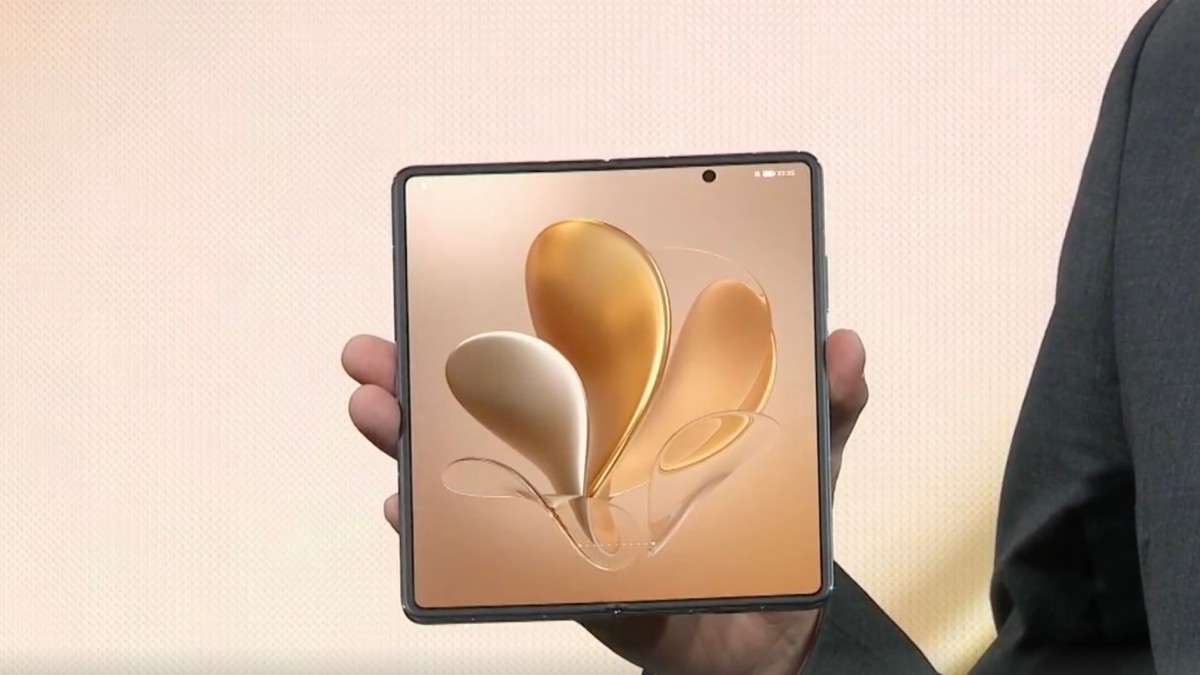
The pocket-sized iPad mini experience that leaks have suggested sounds incredible. A device that folds down to phone dimensions but opens to tablet-sized screen real estate? That’s the dream Apple fans have been waiting for. But dreams have a way of being expensive and hard to obtain, at least initially.
The Ripple Effect Across the Market
Here’s where things get interesting for the broader smartphone market. Apple entering the foldable space instantly legitimizes the category for mainstream consumers. But if they can’t produce enough units, that creates an opening for competitors.
Samsung’s Galaxy Z Fold series, Google’s Pixel Fold, and various Android foldables from Chinese manufacturers could enjoy an extended period of market dominance simply because they’re actually available to buy. I’ve spoken with retail partners who say the biggest barrier to foldable adoption isn’t price or durability concerns, it’s that most people have never held one. If Apple’s version remains elusive, that hands-on experience gap persists.
There’s also the software angle to consider. iOS optimized for foldables represents uncharted territory. How will Apple handle app continuity between folded and unfolded states? What new multitasking features will they introduce? These software innovations need real-world testing at scale, which becomes challenging when devices are scarce.
The Practical Reality for Early Adopters
If you’re determined to be among the first to own Apple’s foldable iPhone, start preparing now. Seriously. Budget for what will almost certainly be a premium price tag, likely well into four figures. Consider whether you want to deal with potential first-generation quirks. Think about your tolerance for being a beta tester of sorts, even with Apple’s typically polished first efforts.
There’s also a strategic question worth asking yourself. Is it better to wait for the second-generation model? In the tech world, version two often fixes what version one got wrong. By 2028, Apple will have worked out the kinks in their foldable iPhone design, improved yields, and potentially expanded production capacity. You might get a better device that’s easier to find and possibly even cheaper.
What fascinates me most about this situation is what it reveals about Apple’s approach to new categories. They’re willing to move slowly, to prioritize quality over quantity, to treat new form factors as marquee products rather than volume drivers. It’s the same philosophy that gave us the original Mac, the first iPod, and the initial iPhone. Perfection takes time, and apparently, it also takes patience from customers.
So mark your calendars for late 2026, but maybe pencil in 2027 as the year you’ll actually get to experience Apple’s foldable vision in your hands. In the meantime, the anticipation builds, the competition watches closely, and Apple’s engineers work to solve one of the most challenging manufacturing puzzles in consumer electronics today.