Xiaomi just dropped a bombshell in the budget smartphone space, and I got my hands on it first. The Redmi Note 15 Pro Plus has finally made its global debut after teasing Chinese buyers for a while, and let me tell you, this isn’t your average affordable phone. It feels like Xiaomi looked at everything people complain about with budget devices and decided to fix it all at once.
From the moment I unboxed it, the Note 15 Pro Plus made an impression that lingered. There’s something special about holding a device that clearly punches above its weight class, and this one does exactly that. It’s part of Xiaomi’s broader global expansion of the Redmi Note 15 series, but the Pro Plus variant brings upgrades that genuinely matter for daily use.
| Metric | Value | Unit | Notes |
|---|---|---|---|
| Display Size & Type | 6.83 | inch | AMOLED, 120Hz refresh rate |
| Peak Brightness | 3,200 | nits | Extremely bright for outdoor visibility |
| Processor (SoC) | Snapdragon 7s Gen 4 | — | 4nm process, efficient mid-range performance |
| RAM / Storage | 12 / 512 | GB | Maximum configuration available |
| Battery Capacity | 6,500 | mAh | Massive capacity for extended use |
| Wired Charging | 100 | W | Extremely fast charging speeds |
| Main Camera Sensor | 200 | MP | High-resolution primary camera |
| Ultra-wide Camera | 8 | MP | Secondary camera for wider shots |
| Front Camera | 32 | MP | Selfie and video call camera |
| Weight | — | g | Balanced feel despite large battery |
| IP Rating | IP69K | — | Dust and water resistance protection |
| Display Protection | Gorilla Glass Victus 2 | — | Corning’s latest protective glass |
Build Quality That Defies Expectations
Xiaomi’s “Redmi Titan Durability” marketing isn’t just empty words. Pick up the Note 15 Pro Plus and you immediately notice it feels substantial, like a device that can handle real world abuse. The fibreglass rear panel has this subtle texture that provides grip without feeling cheap, while the front gets Corning’s Gorilla Glass Victus 2 treatment. Yes, the sides are plastic, but they’re well integrated and don’t detract from the premium feel.
What really impressed me was the IP69K rating. Most budget phones offer basic splash resistance if you’re lucky, but IP69K means this thing can handle high pressure water jets and complete dust ingress protection. I accidentally spilled coffee near it during testing, and that moment of panic quickly turned to relief when I realized the phone was completely fine. It’s peace of mind you don’t usually get at this price point.
A Display That Steals the Show
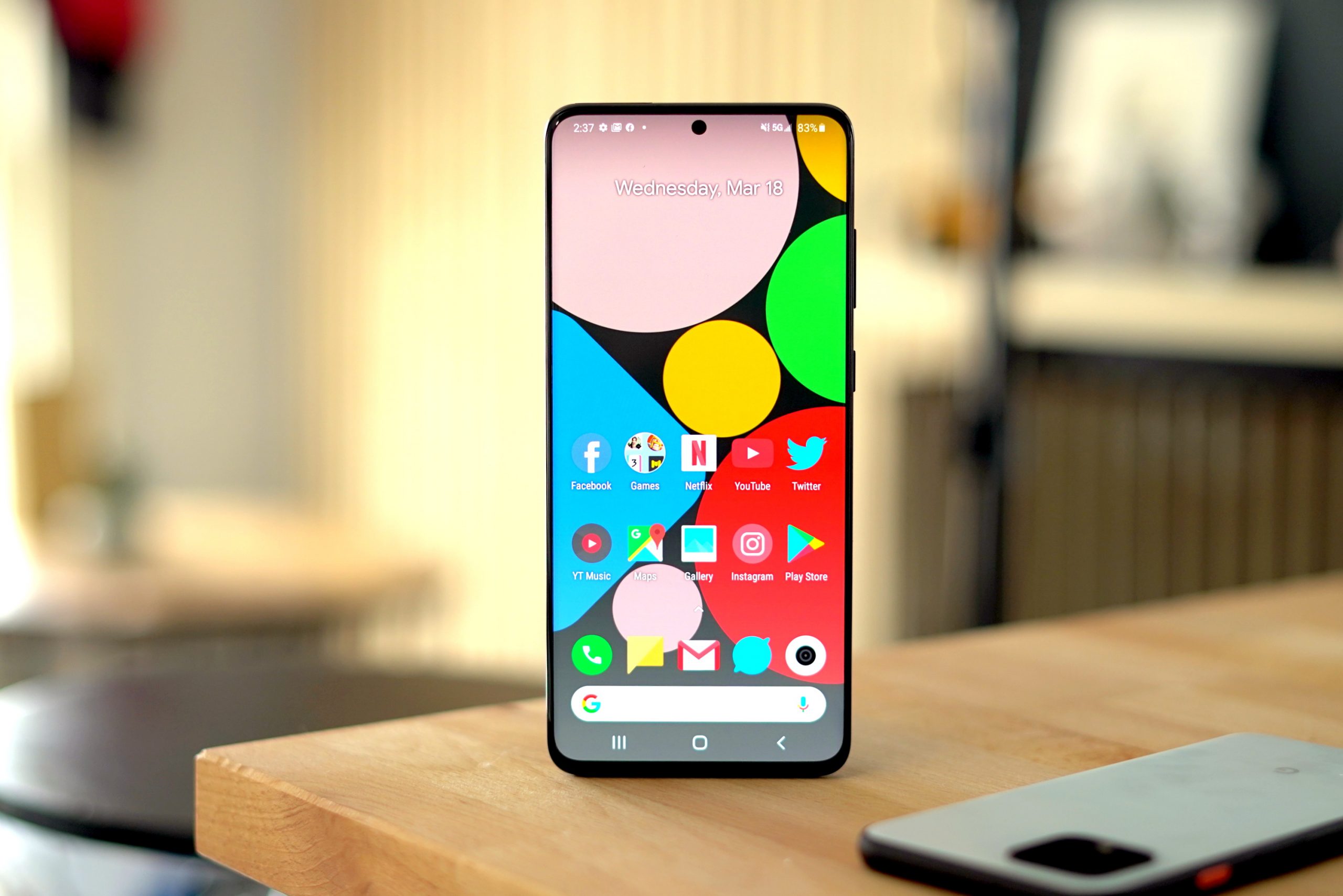
That 6.83-inch AMOLED screen is something special. The 120Hz refresh rate makes everything from scrolling through social media to navigating menus feel incredibly smooth. But the real star is the brightness. At 3200 nits peak brightness, I could use this phone in direct sunlight without squinting or cranking up the brightness to maximum. It’s one of those features you don’t appreciate until you need it, and then you wonder how you lived without it.
The 2772 x 1280 resolution delivers crisp text and vibrant colors that pop on the AMOLED panel. Yes, the bezels are a bit thicker than what you’d find on flagship devices, and the display curves slightly at the edges like those classic 2.5D screens. But honestly, in daily use, these become non issues. What matters is that content looks great, videos play smoothly, and everything feels responsive.
Performance That Handles Real Life
Powering the experience is Qualcomm’s Snapdragon 7s Gen 4 chipset. Let’s be clear, you’re not getting flagship Snapdragon 8 Gen benchmark numbers here, but that’s missing the point. What you get is smooth, consistent performance for everything most people actually do with their phones. Social media apps open quickly, multitasking between a few apps feels seamless, and even some light gaming works perfectly fine.
The configuration options go up to 12GB of RAM and 512GB of storage, which is frankly overkill for most users but nice to have. In my testing, the 8GB RAM model handled everything I threw at it without breaking a sweat. Xiaomi’s understanding of the mid range market shows here, they’re giving people power where it matters without pushing costs into flagship territory.
Cameras That Capture More Than Expected
The camera setup surprised me. That 200MP main sensor isn’t just a numbers game, it actually captures detailed photos with good dynamic range. In daylight, shots look crisp with accurate colors. But where budget phones usually fall apart is in low light, and here the Note 15 Pro Plus holds its own surprisingly well.
I took it out for dinner in a dimly lit restaurant, expecting the usual noisy, blurry results. Instead, I got usable photos that captured the atmosphere without looking like they were taken through a foggy window. The 8MP ultra wide gives you flexibility for landscapes or group shots, while the 32MP front camera handles selfies and video calls with more than enough detail. Video tops out at 4K 30fps on the main camera, which is perfectly adequate for casual recording.
Battery Life That Just Won’t Quit
Here’s where the Note 15 Pro Plus truly shines. That 6500mAh battery is massive, and it shows in real world use. I started my day at 7 AM with heavy usage, streaming music during my commute, constant messaging, photo taking, and even some video watching during lunch. By 10 PM, I still had around 30% left. For most people, this translates to two full days of use between charges.
When you do need to recharge, the 100W charging is ridiculously fast. I plugged it in at 15% while making coffee, and by the time I finished my cup, it was over 60%. The full charge happens in well under an hour, which completely changes how you think about battery anxiety. It’s the kind of feature that becomes essential once you experience it.
Software Experience and Daily Use
The phone runs Hyper OS 2 out of the box, and here’s where I have my only real critique. There’s a significant amount of pre installed apps, which can feel cluttered initially. The good news is you can uninstall most of them, but it’s an extra step I wish wasn’t necessary. Once cleaned up, the interface is smooth and responsive, with useful features that don’t get in the way.
Ergonomically, the phone feels good in hand despite its large display. The weight distribution is balanced, so it doesn’t feel top heavy or awkward to hold for extended periods. For a device with such a large battery, Xiaomi has done a good job keeping the overall package manageable.
The Value Proposition
Looking at the complete package, the Redmi Note 15 Pro Plus represents something important in today’s market. It’s a budget powerhouse that doesn’t compromise on the features that actually matter for daily use. The excellent display, massive battery with fast charging, capable cameras, and solid build quality create a compelling argument against spending significantly more on flagship devices.
Xiaomi’s strategy here is clear, they’re attacking the mid range segment with premium features that trickle down from their more expensive models. The IP69K rating, Gorilla Glass Victus 2, and 100W charging were all flagship features not long ago. Now they’re available in a package that will likely cost a fraction of what flagships command.
While pricing hasn’t been officially announced for global markets yet, if Xiaomi follows their usual playbook, the Note 15 Pro Plus should offer tremendous value. It sits in that sweet spot where you get 90% of the flagship experience for maybe 50% of the price. For most users, that’s the smarter choice.
After spending time with the Redmi Note 15 Pro Plus, I’m convinced it represents a shift in what we should expect from budget phones. It’s not just about cutting corners to hit a price point anymore. Xiaomi is proving that you can deliver a premium experience without the premium price tag. For anyone tired of compromising on battery life, display quality, or durability just because they’re shopping in the mid range, this phone deserves serious consideration.
Sometimes a device comes along that makes you rethink categories, and the Redmi Note 15 Pro Plus does exactly that for budget smartphones. It’s not perfect, but it’s so much better than it needs to be at its expected price point. And in today’s market, that’s exactly what makes it special.