Imagine this. It’s fall 2026, and Apple finally takes the stage to unveil the device we’ve all been waiting for, their first foldable iPhone. The crowd goes wild, social media explodes, and you’re already picturing that sleek, pocketable tablet experience. Then reality hits. You refresh the pre-order page only to see “Shipping in 8-10 weeks” or worse, “Out of Stock.” According to the latest analysis from Ming-Chi Kuo, that frustrating scenario isn’t just possible, it’s highly likely. Apple’s inaugural foldable iPhone, expected in late 2026, could face such severe supply constraints that finding one before 2027 becomes a genuine challenge.
The Timeline and the Tightrope
Kuo’s report suggests the device is still on track for a reveal in the second half of 2026, likely during Apple’s traditional September or October event. The dream of walking into a store and picking one up that holiday season, however, is fading fast. The analyst warns that “smooth shipments” where supply comfortably meets demand probably won’t happen until 2027. That means constrained availability through at least the end of 2026, with Apple gradually ramping up production as their manufacturing partners get more comfortable with the incredibly complex process.
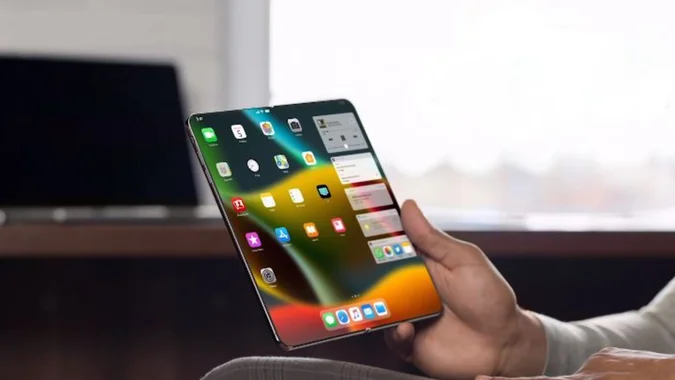
This isn’t just about hype exceeding capacity. It’s about physics, precision engineering, and the brutal learning curve of mass-producing a completely new form factor for Apple. While we’ve seen tantalizing CAD leaks hinting at a crease-free iPad Mini-like design, turning those digital blueprints into millions of flawless physical devices is another story entirely.
Why Foldables Are a Manufacturing Nightmare
Let’s break down why this is so hard. A regular smartphone is essentially a slab of glass, metal, and silicon. A foldable is a miniature mechanical marvel. The hinge alone is a masterpiece of engineering, requiring hundreds of tiny components to allow smooth, reliable opening and closing tens of thousands of times. Apple is reportedly still finalizing their hinge mechanism, and any last-minute tweaks can throw the entire production schedule into disarray.
Then there’s the display. We’re not talking about slapping a screen on a flat surface. This is an ultra-thin, flexible OLED panel that needs to survive constant bending without developing dead pixels, discoloration, or that dreaded crease. The protective layer on top, often a specialized ultra-thin glass, is equally fragile during assembly. Each of these components has a higher defect rate in early production runs compared to standard phone parts. When you combine them, the chance of a perfect unit rolling off the line plummets. Low yields in the early months force companies to be extremely conservative with their launch volumes, which is exactly what Kuo predicts for Apple.
This situation feels familiar to anyone who’s followed the ongoing narrative of supply crunches in the foldable space. It’s a painful but standard phase for any company entering this market.
What This Means for You, the Buyer
So, what does this supply chain drama translate to for someone who just wants to buy the phone? Expect frustration. Launch-day stock will likely vanish in minutes. If you’re not among the first to click “buy,” you could be looking at weeks or even months of waiting. This will be especially true for specific, popular color and storage configurations. Smaller markets might get allocated very few units, making the phone a true rarity outside major regions.
Kuo forecasts the foldable iPhone selling in the “teens of millions” by 2027. That sounds like a lot, but it represents a slow, gradual climb from a very limited initial supply. In its first year, this device won’t be a mass-market product. It’ll be a halo device, a tech status symbol with an ultra-premium price tag to match its scarcity. For many enthusiasts, the combination of a high price and the sheer difficulty of obtaining one might be enough to say, “I’ll wait for the second generation.”
A Golden Opportunity for the Competition
Apple’s entry will undoubtedly legitimize foldables for the mainstream consumer in a way no Android manufacturer has managed. But their scarcity creates a window of opportunity. Samsung’s Galaxy Z Fold and Z Flip series, Google’s Pixel Fold, and other Android foldables won’t suddenly become obsolete. In fact, they might enjoy a sustained market share as the practical, actually-purchasable alternatives for the next couple of years.
Samsung in particular, with years of refinement under its belt, is poised to capitalize. Rumors already point to their next-generation Galaxy Z Flip 8 aiming for even thinner and more refined designs. While everyone is looking at Apple, Samsung can focus on iterating, improving durability, and maybe even adjusting pricing to appeal to buyers who want a foldable now, not in 2027.
The Waiting Game
The bottom line is one of tempered expectations. The first Apple foldable iPhone is coming, and it will be a landmark product. But actually holding one in your hand before 2027 might require luck, patience, or a very flexible budget. For the true Apple faithful, it will be the ultimate test of brand loyalty. For everyone else, it sets the stage for an interesting few years in the smartphone market, where Android foldables get extra time to shine and prove their worth before the titan finally arrives in full force.
Sometimes, the most anticipated gadgets are also the hardest to get. This looks like it will be one of those times.