You know that feeling when you pick up your phone for a quick task, only to find yourself navigating through layers of menus you didn’t ask for? That’s the daily reality for a growing number of Pixel owners who feel Google’s aggressive AI push is compromising the very experience that made them love these phones in the first place.
Picture this: you’re trying to quickly edit a screenshot before sending it to a colleague. On older Pixels, it was a simple tap, crop, and share. Now, you’re greeted with AI suggestions for auto summaries, background removal tools you didn’t need, and extra confirmation steps. What should take three seconds stretches into fifteen. That’s the “slopification” long time Pixel fans are complaining about, a trend we’ve been tracking in our coverage of the growing AI backlash across Google’s ecosystem.
When Hardware Excellence Meets Software Frustration
What makes this situation particularly frustrating is that Pixel hardware has never been better. The latest models feature stunning OLED displays with buttery 120Hz refresh rates that make every swipe feel premium. The haptic feedback is precise and satisfying, giving you that tactile confirmation that you’re interacting with quality hardware. Build quality has reached new heights with materials that feel substantial in hand.
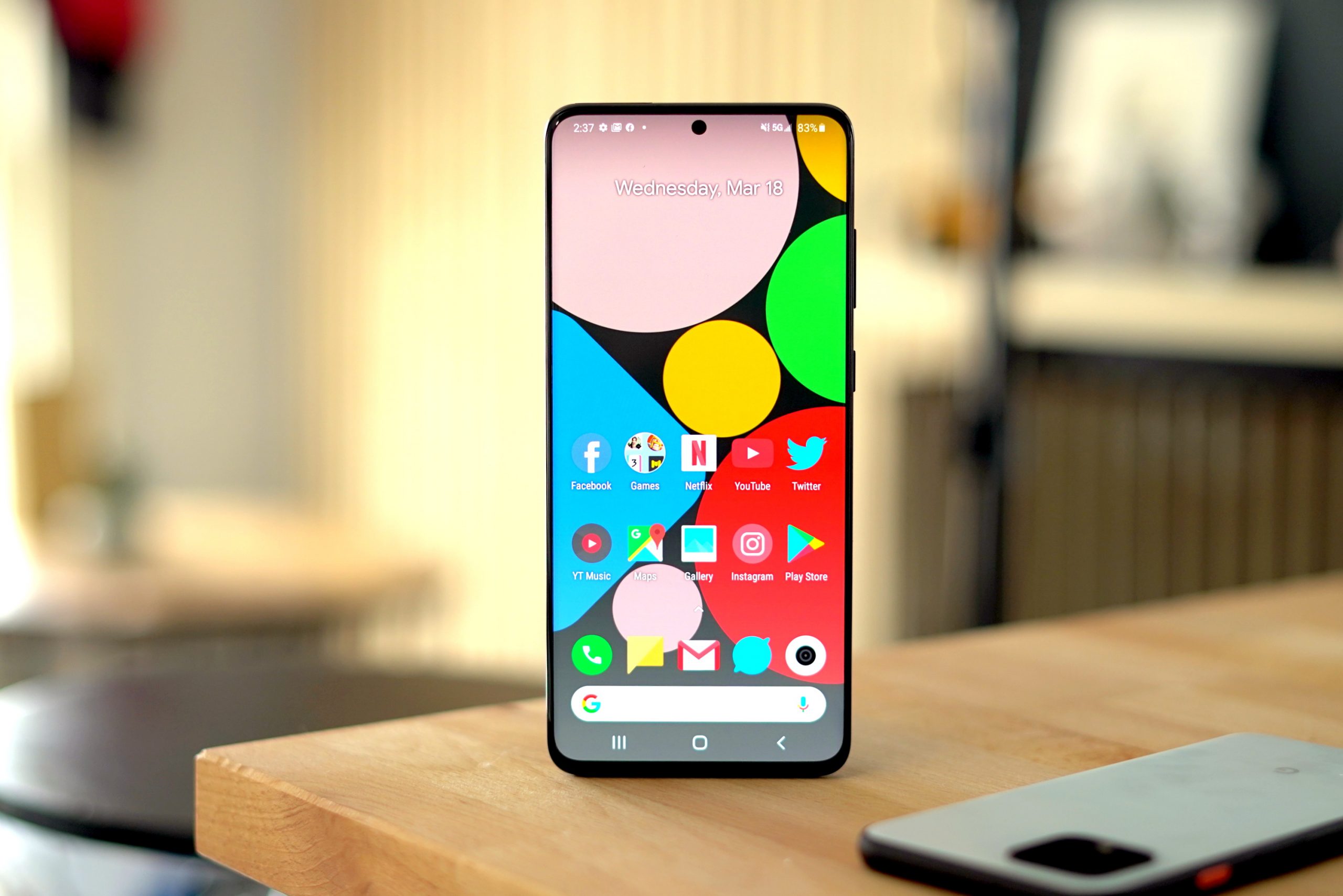
Yet beneath this excellent hardware lies a software experience that’s becoming increasingly contentious. Google has baked its Gemini AI assistant so deeply into recent Pixel phones that it’s changing fundamental interactions. That familiar G pill at the bottom of your screen? It now launches into a full screen Gemini interface that can feel laggy compared to the instant Google Search it replaced. There’s even a dedicated AI button occupying prime real estate where users expect more practical functions.
The Technical Reality Behind the AI Integration
From a technical perspective, what Google is attempting is ambitious. They’re moving from a cloud dependent AI model to more on device processing, which in theory should mean faster responses and better privacy. The Tensor chips inside recent Pixels are specifically designed for these AI workloads, with dedicated processing units for machine learning tasks.
But here’s the consumer reality: that technical ambition doesn’t always translate to better daily use. When you’re trying to quickly look up a restaurant address, you don’t need an AI generated summary of its reviews. You just need the address. When you’re editing a screenshot, you don’t need smart cropping suggestions. You just need to crop it yourself. The extra computational overhead can sometimes manifest as slight delays in interface responsiveness, which is particularly noticeable on phones that otherwise feel incredibly snappy.
This tension between innovation and usability is creating what some are calling a fundamental disconnect between what Google thinks users want and what they actually need from their daily driver.
The Ripple Effect Across Android
Google isn’t alone in facing these criticisms. Samsung’s Galaxy AI features are creating similar frustrations for some users, and across Android forums you’ll find people complaining that brands are prioritizing on device AI tricks over basics like consistent battery life and reliable camera performance. But Pixel users feel it most acutely because Google’s implementation is so deeply integrated into the operating system itself.
It’s not that these AI features are useless. Magic Editor for photos can produce genuinely impressive results. Call screening with AI assistance saves time. But when these features start interfering with core functionality, that’s when users push back. The complaint isn’t “AI is bad.” It’s “AI shouldn’t make my phone harder to use.”
What Pixel Owners Are Doing About It
Faced with this reality, Pixel owners are taking matters into their own hands. Some are diving deep into Settings to disable as much AI as possible, turning off AI Core and Android System Intelligence. Others are creating workarounds, using third party launchers to bypass Google’s interface decisions. And a significant number are considering something that would have been unthinkable a few years ago: switching away from Pixel entirely.
They’re looking at phones that prioritize speed and stability over AI first features. Some are even hunting for older Pixel 7 models on the used market, preferring the more straightforward experience of previous generations. This nostalgia for simpler times speaks volumes about how dramatically the user experience has shifted.
As we’ve seen in other coverage of this growing sentiment, there’s a clear market opening for phones that focus on being fast, reliable tools rather than AI showcases.
The Industry Crossroads
From an industry perspective, Google’s dilemma is understandable. AI is the current battleground in smartphone innovation, and sitting it out isn’t an option. Their Tensor chips represent significant investment in hardware specifically optimized for AI workloads. The challenge is balancing innovation with usability.
What’s missing for many users is choice. If you want the excellent Pixel camera system, clean Android experience, and timely updates, you have to accept Google’s AI first approach. There’s no “AI lite” mode that preserves the simplicity of older Pixels while still delivering security updates and camera improvements.
The solution might be in smarter implementation. AI features that are available when you want them, not forced upon you. Background processing that doesn’t impact foreground performance. Options that let users decide how much AI they actually want in their daily workflow.
For now, the tension remains. Google continues expanding AI features, doubling down on their vision of an AI first future. Meanwhile, a growing segment of their most loyal users just want phones that feel fast, predictable, and focused on getting things done. How Google navigates this divide will determine whether Pixel remains the enthusiast’s choice or becomes another example of innovation that forgot about the human holding the device.