Imagine this. It’s fall 2026, and Apple’s September event just revealed the iPhone Fold. The internet erupts. Videos show that satisfying snap of a hinge closing, transforming a pocketable device into a mini tablet. You can already picture reading articles on that expansive inner display or watching movies during your commute. The excitement is palpable, the design looks flawless, and then you check availability. “Ships in 10-12 weeks.” That’s the reality we’re facing, according to industry analysts who warn that Apple’s first foldable iPhone might remain frustratingly hard to buy well into 2027.
The Foldable iPhone Dream Meets Manufacturing Reality
Analyst Ming-Chi Kuo, known for his accurate Apple supply chain insights, paints a clear picture. While the device is on track for a late 2026 announcement, perhaps during Apple’s usual fall window, actually getting your hands on one will be a different story. The company is expected to struggle with production yields from day one, meaning “smooth shipments” won’t happen until 2027. This isn’t just about high demand overwhelming supply, it’s about the fundamental complexity of building a reliable folding phone at scale.
Think about the last time you tried to buy a hot new gadget on launch day. Now multiply that difficulty by several factors. We’re looking at a scenario where initial stock could vanish in minutes, with waiting lists stretching for months, especially for specific colors or storage configurations. This production nightmare means your local Apple Store might only receive a handful of units each week.
Why Foldables Are Engineering Marvels (and Manufacturing Headaches)
Let’s break down why building a foldable is so much harder than crafting a traditional slab phone. It starts with the hinge, a tiny mechanical wonder that needs to open and close smoothly hundreds of thousands of times without developing a creak or losing its tension. Apple is reportedly still finalizing their hinge mechanism, which adds risk to the production timeline.
Then there’s the display. Instead of a single, rigid glass panel, you have ultra-thin flexible glass that needs to bend perfectly at a specific radius. Multiple display layers must align with microscopic precision every time the device folds. Dust particles that would be harmless in a regular phone can become catastrophic in the tight tolerances of a folding mechanism. Early production lines often see high defect rates as factories dial in these processes, which directly translates to fewer usable devices rolling off the line.
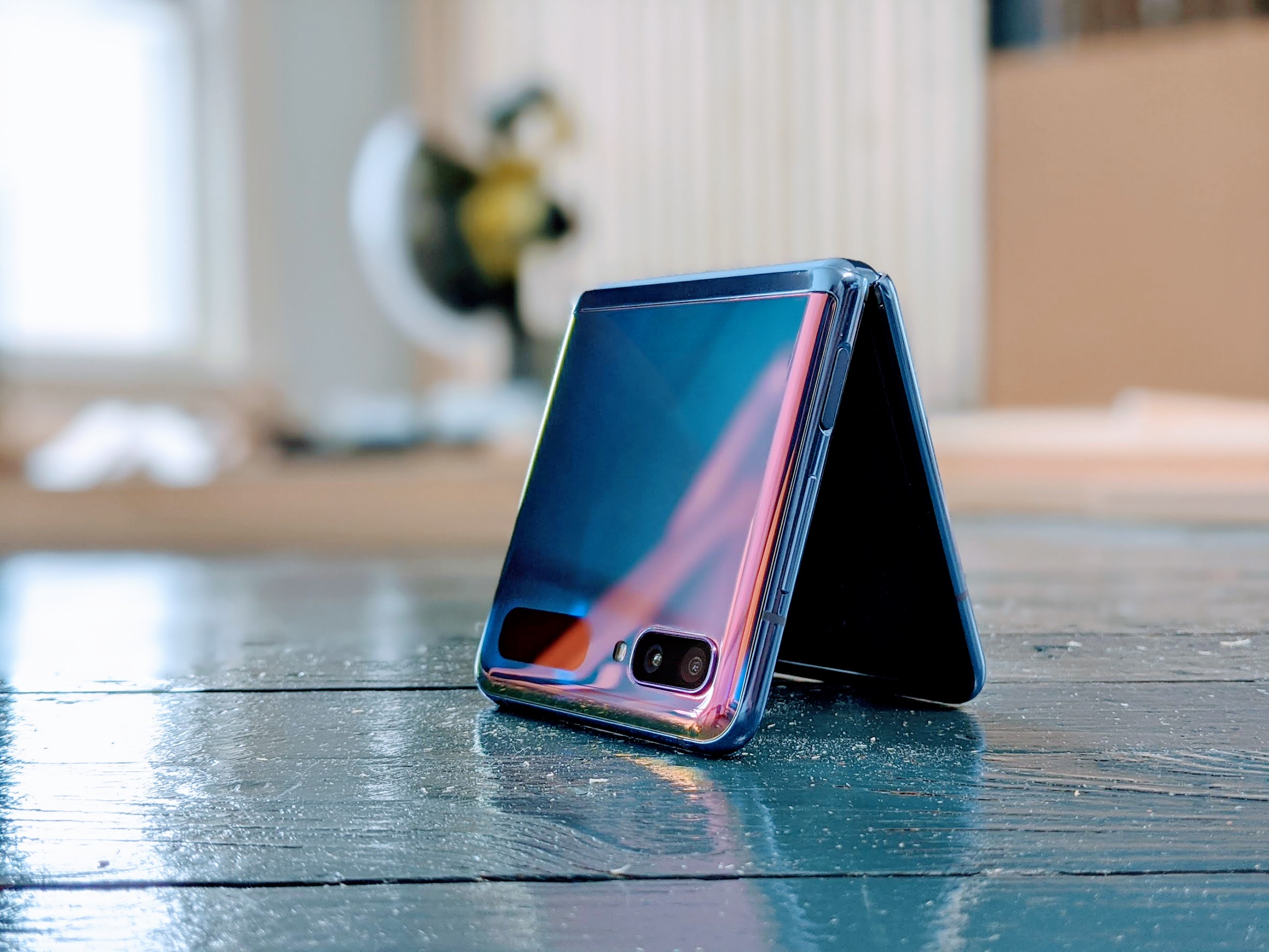
From a component supplier perspective, this is uncharted territory for Apple’s manufacturing partners. While companies like Samsung have been iterating on foldables for years, Apple’s entry will come with its own unique specifications and quality standards that factories need to learn from scratch. The learning curve is steep, and it directly impacts how many units they can produce per month.
The Supply Timeline: A Slow Ramp to Reality
Here’s what the rollout will likely look like. The device launches in late 2026 with extremely constrained availability. Think “teens of millions” sold by 2027, which sounds like a lot until you realize Apple typically sells over 200 million iPhones per year. This first-generation foldable will be a niche product within their lineup.
Supply will remain tight through at least the end of 2026, with gradual improvements as 2027 progresses. Factories will gain experience, yields will slowly improve, and production volumes will creep upward. But don’t expect to walk into a store and choose your color and storage option anytime soon. This near-impossible availability means many interested buyers will face weeks or months of waiting.
Kuo’s analysis suggests the device is actually behind earlier internal schedules but remains on track for that 2026 announcement window. The gap between announcement and widespread availability could be measured in quarters, not weeks. For consumers, this means managing expectations and potentially planning for a longer wait than with previous iPhone launches.
What This Means for You, the Consumer
So what does this supply crunch mean if you’re dreaming of a foldable iPhone? First, prepare for premium pricing. Limited supply combined with Apple’s brand power and the novelty of the form factor almost guarantees a price tag that makes current Pro Max models look affordable. This won’t be a device for budget-conscious buyers.
Second, consider whether you want to be an early adopter. That first-generation product will come with all the usual first-gen quirks, compounded by the fact that Apple will be conservative with their initial production run. Some users might rationally decide to skip this model entirely, waiting for a second-generation version with better durability, more refined software, and hopefully, easier availability.
Third, this situation actually creates an interesting opportunity for Android foldables. Samsung’s Galaxy Z Fold series, Google’s Pixel Fold, and other models will face less immediate competition during that critical first year. They’ll have more time to establish their value proposition before Apple’s entry truly scales up. If you’re curious about foldables but can’t wait or don’t want to pay Apple’s likely premium, the Android ecosystem offers compelling alternatives right now.
This extended supply crunch transforms the first foldable iPhone from a mass-market device into what industry watchers call a “halo product.” It’s a technological statement piece that generates buzz, showcases Apple’s engineering capabilities, and primes the market for future iterations. Think of it like the original Apple Watch Edition in solid gold, a product that generated headlines and desire far beyond its actual sales numbers.
The Bigger Picture: Apple’s Foldable Strategy
Looking beyond the immediate supply challenges, Apple’s entry into foldables represents a significant moment for the entire smartphone industry. When Apple adopts a technology, it instantly becomes mainstream in the eyes of many consumers. The company’s meticulous approach to product refinement means they won’t release a foldable until they’re confident it meets their standards for durability and user experience.
This cautious, supply-constrained launch actually fits Apple’s historical pattern with new form factors. Remember the original iPhone’s limited carrier partnerships and high price? Or the Apple Watch’s gradual evolution from fashion accessory to health device? Apple often uses first-generation products to test the waters, gather user feedback, and refine their manufacturing processes before committing to mass production.
The long-term implication is clear. Once Apple works through these initial production challenges, foldables will become a permanent part of the iPhone lineup. The technology will trickle down to more affordable models, just as OLED displays and multiple cameras did. But for now, patience will be the most important accessory for anyone wanting to experience Apple’s first folding phone. The future is foldable, but getting there will require waiting in line, both literally and figuratively.