Remember that awkward bulge in your jeans pocket when you first tried a foldable phone? That slight but noticeable thickness that made you question whether the futuristic form factor was worth the compromise? Samsung apparently remembers it too, and early Galaxy Z Flip 8 rumors suggest the company is finally ready to solve that problem for good.
| Metric | Value | Unit | Notes |
|---|---|---|---|
| Folded Thickness | 6 | mm | Rumored measurement when closed |
| Unfolded Thickness | 12 | mm | Rumored measurement when open |
| Weight | 170 | g | Lighter than most standard smartphones |
| Processor (SoC) | Exynos 2600 | — | 2nm process technology |
| RAM / Storage | 12 / 256-512 | GB | Base model starts at 256GB |
| Battery Capacity | 4,300 | mAh | Or higher, meaningful bump from previous models |
| Launch Price | $1,100 | USD | Expected to match Z Flip 7 pricing |
| Expected Launch | Summer 2026 | — | Likely July based on Samsung’s schedule |
The Thinness Revolution
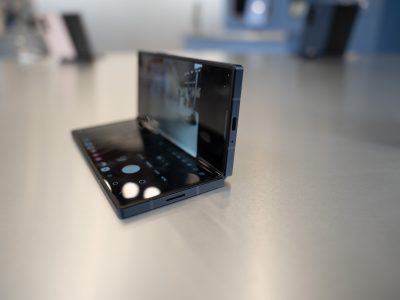
Picture this: you’re slipping your phone into those fitted jeans that never seemed to work with previous foldables. Instead of that familiar brick-like feel, the Galaxy Z Flip 8 slides in smoothly, almost disappearing into your pocket. That’s the experience Samsung seems to be chasing with rumored dimensions of around 6mm when folded and 12mm when unfolded.
Those numbers represent roughly a 10% reduction in thickness compared to the Z Flip 7, which might not sound dramatic on paper but makes all the difference in daily use. At about 170 grams, it’s actually lighter than most conventional smartphones today, despite packing two screens and all the mechanical complexity of a folding mechanism.
Samsung’s engineers aren’t just chasing thinness for its own sake. They’re reportedly working on reducing that visible screen crease that has been a hallmark of foldables since their inception. Combine that with improved durability measures, and you’re looking at a device that addresses two of the most common complaints about foldable phones in general.
Performance That Doesn’t Compromise
Under the hood, things get even more interesting. The Galaxy Z Flip 8 might pack Samsung’s upcoming Exynos 2600 chipset, built on cutting-edge 2nm process technology. This is the same silicon expected to power the Galaxy S26 series, which tells you something about the performance targets Samsung has in mind.
For those unfamiliar with semiconductor manufacturing, moving from 4nm to 2nm represents a significant leap. Think of it like building a city with narrower streets that somehow handle more traffic while using less energy. The 2nm process allows for more transistors in the same space, translating to better performance and efficiency without increasing power consumption.
Pair that Exynos 2600 with 12GB of RAM, and you’ve got a multitasking experience that shouldn’t feel like a compromise compared to traditional flagship phones. Storage options starting at 256GB and going up to 512GB mean you won’t be constantly managing space, even if you’re the type who records 4K video regularly or downloads entire seasons of shows for offline viewing.
Battery Life That Keeps Up
Here’s where the real-world experience gets a meaningful upgrade. The rumored 4,300mAh battery (or possibly higher) represents a smart move by Samsung. Consider your typical day: scrolling through social media during your commute, a few video calls between meetings, some casual gaming during lunch, and maybe streaming content in the evening.
With battery capacity in the 4,300mAh range, the Z Flip 8 should handle that workload without sending you hunting for a charger by dinner time. That’s crucial because battery anxiety is one of those subtle but persistent concerns that can make or break a device’s daily usability.
The combination of a larger battery and the efficiency gains from the 2nm Exynos 2600 could finally deliver the all-day endurance that foldable enthusiasts have been waiting for. No more mentally calculating your usage throughout the day, no more carrying power banks as a precaution. Just reliable performance from morning until night.
Pricing and Launch Timeline
Samsung appears to be taking a measured approach with pricing, expecting to keep the Galaxy Z Flip 8 around the $1,100 mark that the Z Flip 7 launched at. That positioning keeps them competitive against Motorola’s Razr lineup while maintaining the premium experience that has defined Samsung’s foldable strategy.
From a consumer perspective, that consistent pricing matters. It means you’re not facing unexpected price hikes for each generation, and it establishes a clear value proposition in the increasingly crowded foldable market. You’re getting thinner, lighter, more durable, and more powerful hardware without paying more for the privilege.
If Samsung sticks to its usual schedule, look for a summer 2026 launch, likely in July. That gives the company time to refine the manufacturing process, ensure adequate supply, and potentially showcase the device alongside other innovations in their display technology portfolio.
Why This Matters
Foldable phones have always promised a revolutionary experience, but they’ve often asked users to accept compromises in thickness, weight, or durability. The Galaxy Z Flip 8 rumors suggest Samsung is systematically addressing each of those pain points.
Imagine a device that doesn’t feel like a folded brick in your pocket, that doesn’t make you think twice before tossing it in your bag, that delivers flagship performance without battery anxiety. That’s the portable flip phone experience Samsung has been chasing since the original Z Flip, and if these rumors pan out, the Z Flip 8 might finally deliver it.
The evolution from novelty to mainstream product often happens in these incremental but meaningful steps. Thinner here, lighter there, more durable throughout. Each improvement makes the technology more accessible, more practical, and ultimately more desirable for everyday users who aren’t early adopters.
We’re still looking at rumors rather than official announcements, but the consistency and specificity of these leaks suggest Samsung has a clear vision for the next generation of foldables. And if that vision includes a device that truly disappears into your pocket while delivering uncompromised performance, well, that’s a future worth getting excited about.