| Metric | Value | Unit | Notes |
|---|---|---|---|
| Thickness (Folded) | 6 | mm | Rumored measurement, approximately 10% thinner than Z Flip 7 |
| Thickness (Unfolded) | 12 | mm | Note: Some sources suggest these measurements may be reversed |
| Weight | 170 | g | Lighter than most standard smartphones despite dual screens |
| Processor (SoC) | Exynos 2600 | — | 2nm process technology, same chip expected in Galaxy S26 |
| RAM / Storage | 12 / 256-512 | GB | 12GB RAM standard, storage options from 256GB to 512GB |
| Battery Capacity | 4,300 | mAh | Or higher, meaningful improvement over previous models |
| Expected Price | 1,100 | USD | Matching Z Flip 7 launch price, competitive with Motorola Razr |
| Launch Timeline | Summer 2026 | — | Likely July if Samsung maintains its usual schedule |
Remember that moment when you first slipped a modern foldable into your pocket and thought, “Okay, this feels like carrying a small paperback book”? Samsung apparently does, and they’re determined to change that sensation entirely. Early whispers about the Galaxy Z Flip 8 suggest the company is going all-in on making its next flip phone not just thinner, but genuinely pocket-friendly in a way that could finally make the bulky brick feeling a thing of the past.
The Slim Factor: Engineering Meets Everyday Carry
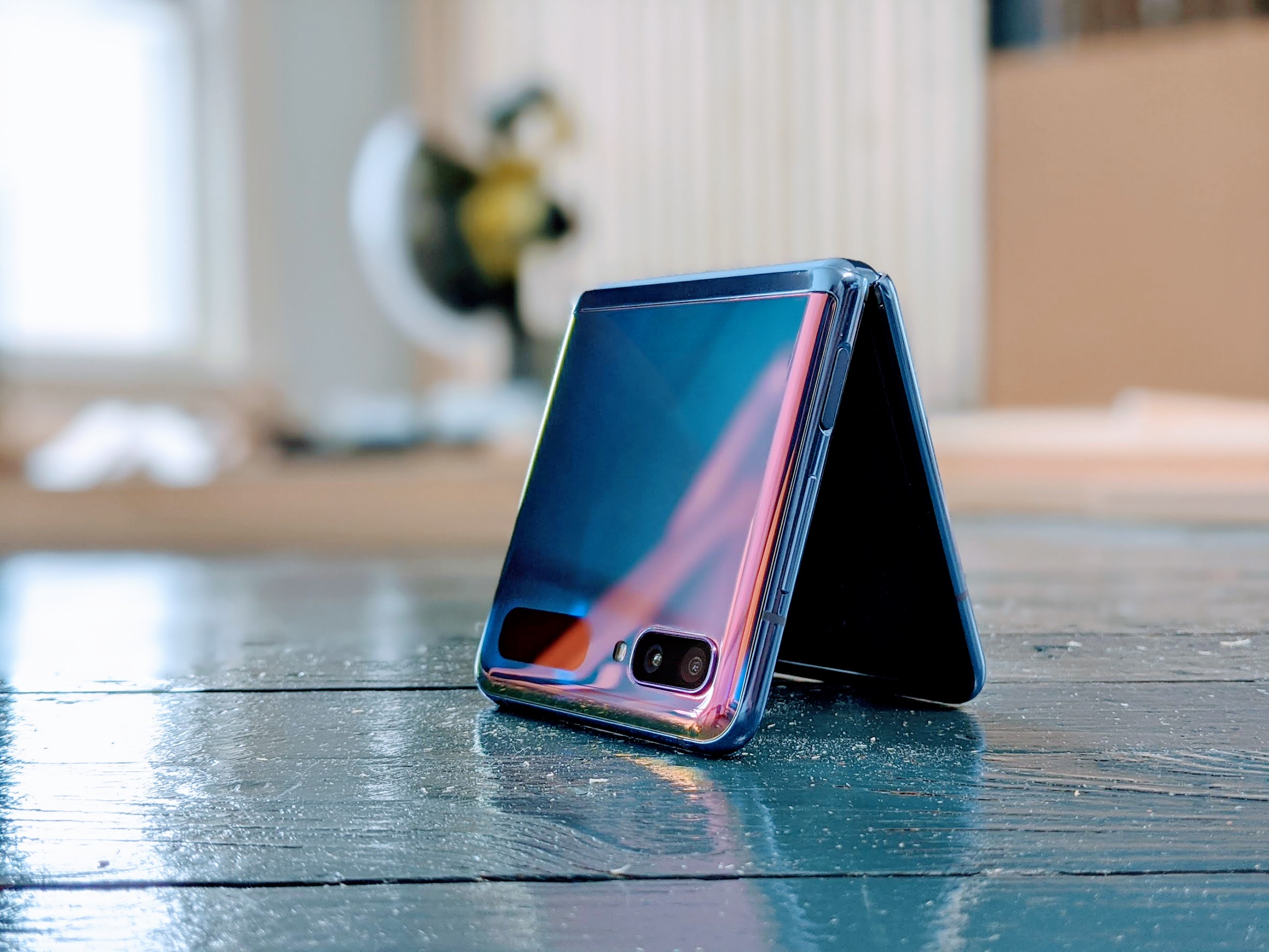
Let’s talk about what those numbers in the table above actually mean for your daily life. A rumored 6mm thickness when folded represents about a 10% reduction from the already-slim Z Flip 7. That’s not just a spec sheet victory, it’s the difference between your phone disappearing into tight jeans versus creating that awkward rectangular outline. At around 170 grams, the Z Flip 8 would weigh less than most conventional slab smartphones, which is frankly impressive when you consider it’s packing two screens and a sophisticated hinge mechanism.
Samsung’s engineers aren’t just chasing thinness for its own sake. They’re reportedly tackling the two most common complaints about foldables head-on: the visible screen crease and long-term durability. If these rumors hold, we could see a display that feels nearly seamless to the touch, combined with improved hinge technology that stands up to the thousands of folds and unfolds of real-world use. It’s the kind of refinement that turns a novel gadget into a reliable daily driver.
Performance That Doesn’t Compromise
Under the hood, things get even more interesting. The Galaxy Z Flip 8 might debut Samsung’s next-generation Exynos 2600 chipset, built on an advanced 2nm manufacturing process. This is the same silicon expected to power the Galaxy S26 series, which tells you everything about the performance ambitions here. We’re talking about flagship-level power in a foldable form factor, without the thermal or efficiency compromises that sometimes plagued earlier generations.
Pair that chip with 12GB of RAM and storage options starting at 256GB (going up to 512GB for media hoarders), and you’ve got a device that should handle multitasking, gaming, and creative work without breaking a sweat. The days of foldables feeling like they sacrificed performance for their flexible displays appear to be ending. This is particularly important as we’ve seen how software complexity can sometimes outpace hardware capabilities, leaving users longing for smoother experiences.
Battery Life That Actually Lasts a Day
Here’s where the consumer angle becomes crucial. That rumored 4,300mAh battery (or potentially larger) represents a meaningful bump over current models. In practical terms, we’re looking at a device that should handle a full day of social media scrolling, video calls, navigation, and photography without sending you hunting for a charger by dinnertime.
Think about your typical day: morning commute with podcasts, back-to-back meetings, capturing moments throughout the afternoon, and winding down with some streaming in the evening. The Z Flip 7 already improved battery life over its predecessors, and this next iteration seems poised to continue that trend. It’s the kind of improvement that changes how you interact with your device, freeing you from battery anxiety and letting you focus on actually using your phone.
Market Context and Competitive Landscape
At an expected $1,100 price point, Samsung appears committed to maintaining the Z Flip’s premium positioning while staying competitive against Motorola’s Razr lineup. What’s fascinating here is watching how the foldable market is maturing. While Samsung refines its pocketable flip design, Apple continues to face its own production challenges with bringing a foldable iPhone to market. This gives Samsung valuable runway to establish its flip phones as the go-to choice for consumers wanting compact, premium foldables.
The summer 2026 launch timeline (likely July if Samsung sticks to its annual schedule) positions the Z Flip 8 perfectly for back-to-school and holiday shopping seasons. It also gives the company time to refine manufacturing processes and potentially address any supply chain considerations that have affected the electronics industry in recent years.
The Bigger Picture: Why This Matters
Looking beyond the specs, the Galaxy Z Flip 8 represents something important for the foldable category. We’re moving past the “wow, it folds” novelty phase into genuine refinement. The focus on thinness, weight reduction, and durability improvements suggests Samsung is listening to real user feedback and addressing practical concerns.
This approach mirrors what we’ve seen in other segments of the market, where devices like the Redmi Note 15 have shown that budget phones don’t have to feel budget. The same principle applies here: premium foldables shouldn’t feel like compromises. They should deliver the complete package, design, performance, and usability.
If these rumors materialize, the Galaxy Z Flip 8 could finally deliver on the original promise of foldable phones: full smartphone capabilities in a genuinely portable form factor. No more choosing between screen size and pocketability. No more accepting durability concerns as the price of innovation. Just a sleek, powerful device that happens to fold in half when you’re done using it.
We’re still about a year and a half out from the expected launch, which means plenty could change between now and then. But based on these early indicators, Samsung seems determined to make the Z Flip 8 not just another incremental update, but a meaningful step forward in making foldable technology feel truly mainstream. And for anyone who’s been waiting for the perfect moment to jump into the foldable world, summer 2026 might just be that moment.