Imagine walking into an Apple Store in late 2026, ready to experience that magical moment when you first unfold Apple’s debut foldable iPhone. The anticipation has been building for years, with rumors swirling about a device that could redefine how we use our phones. But here’s the reality check, you might leave empty handed, and you could be waiting well into 2027 before one actually lands in your pocket.
According to respected analyst Ming Chi Kuo, Apple’s first foldable iPhone is on track for announcement in the second half of 2026, likely during their usual fall event. The company will probably show off that sleek hinge mechanism, demonstrate the seamless transition from phone to mini tablet, and wow everyone with iOS optimizations for the new form factor. But actually buying one, that’s where the story gets complicated.
The Manufacturing Mountain Apple Must Climb
Foldable phones are engineering marvels that make traditional slab smartphones look simple by comparison. Think about what’s happening inside that hinge, dozens of tiny components working in perfect harmony thousands of times without failing. Then there’s the display, not just one layer but multiple ultra thin sheets that need to bend without developing permanent creases. Apple’s still finalizing their hinge design, and that uncertainty alone adds risk to their production timeline.
These production challenges translate directly to what you’ll experience as a consumer. Early manufacturing yields for foldable displays tend to be low, meaning many panels get rejected during quality control. The hinge mechanisms require precision that most smartphone factories haven’t needed before. Apple’s suppliers are learning on the job, and that learning curve means conservative production volumes at launch.
What This Means for Your Buying Experience
Picture this scenario, you’ve decided this is the year you’re going foldable. You set a reminder for Apple’s September event, watch the keynote live, and immediately head to their website to place your order. Instead of a smooth checkout process, you’re greeted with “Shipping, 6-8 weeks” or worse, “Currently unavailable.” For specific colors or storage configurations, you might be looking at months of waiting.
Kuo’s analysis suggests Apple might only manage “teens of millions” of foldable iPhone units by 2027. That sounds like a lot until you consider Apple typically sells over 200 million iPhones annually. This first generation device will function more like a halo product, a technological statement piece that establishes Apple’s presence in the foldable category rather than a mass market device everyone can buy.
The price will likely reflect this exclusivity too. Expect premium pricing that makes current Pro Max models look affordable by comparison. You’re not just paying for the hardware, you’re funding Apple’s research and development into entirely new manufacturing processes. For many consumers, this combination of limited availability and high cost will mean waiting for the second generation model.
The Ripple Effect Across the Smartphone Market
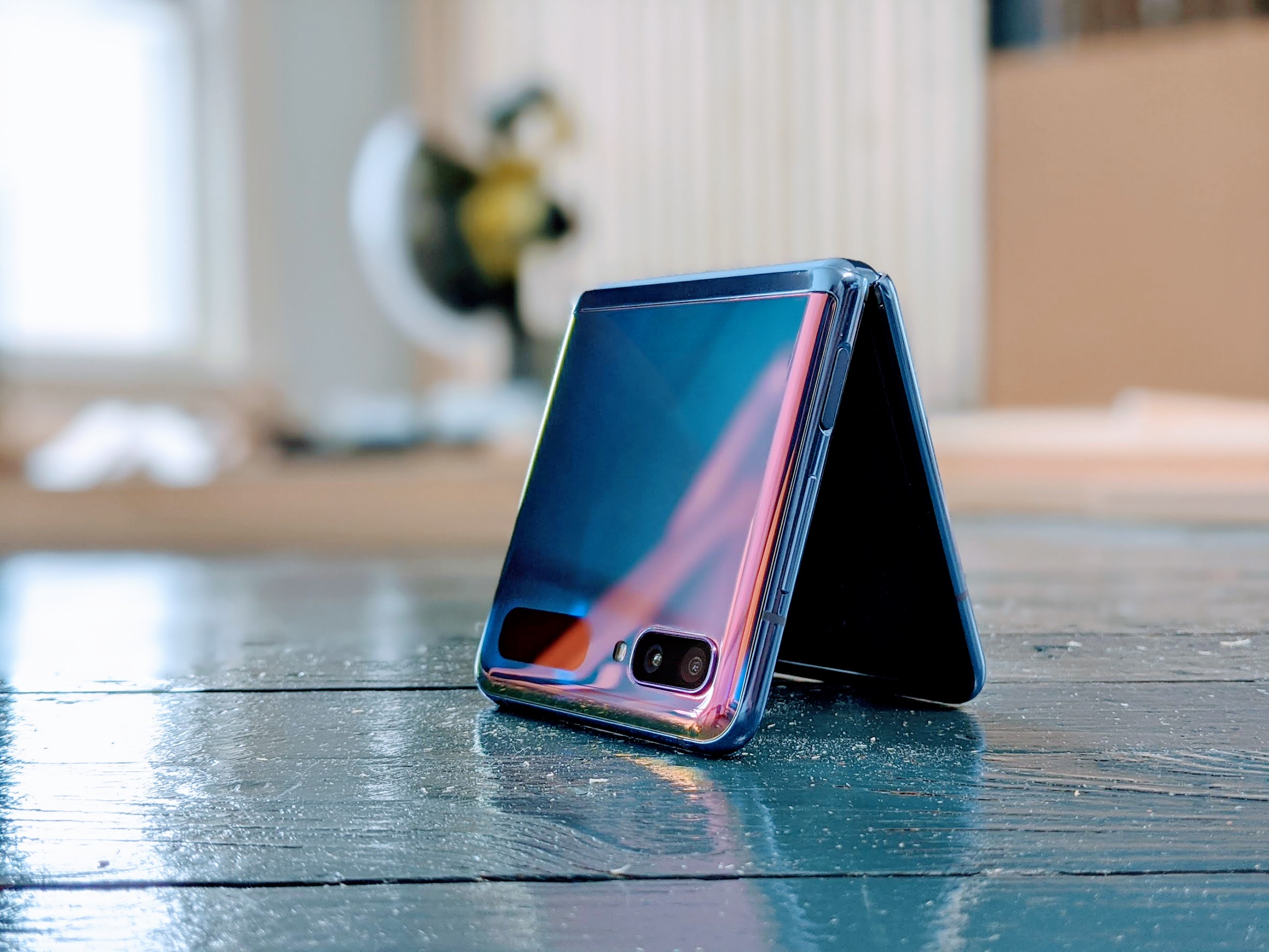
Here’s where things get interesting for the broader foldable market. Samsung has been refining their Galaxy Z Fold and Flip lines for years, working through their own production challenges to reach today’s relatively stable supply. Google has entered the fray with the Pixel Fold. These Android manufacturers might actually benefit from Apple’s supply constraints.
While Apple’s entry will undoubtedly legitimize foldables for mainstream consumers, their limited availability means Samsung’s Galaxy Z Fold series could maintain market share longer than expected. Consumers who want a foldable experience in 2026 and 2027 might look at Android options simply because they’re actually available to purchase without waiting months.
From an industry perspective, this situation reveals just how complex modern smartphone manufacturing has become. We’re not talking about assembling components anymore, we’re talking about creating entirely new categories of devices that push material science and precision engineering to their limits. Apple’s cautious approach makes sense when you consider their reputation for quality, they simply won’t ship a product that doesn’t meet their standards, even if that means severely limiting availability.
Should You Wait or Explore Alternatives?
If you’re absolutely committed to staying within Apple’s ecosystem, patience will be your most important accessory. Following the latest leaks and rumors will help you understand what to expect, but actually getting your hands on the device will require timing, persistence, and possibly accepting whatever configuration becomes available first.
For those more flexible about platforms, 2026 and 2027 could be excellent years to explore Android foldables. Manufacturers will be pushing innovation hard, knowing that Apple’s limited supply creates a window of opportunity. You might find that today’s foldable concerns about durability and software optimization have largely been addressed by the time Apple’s device launches.
The bigger picture here is about the evolution of personal computing. Foldables represent the next step in making powerful computers truly portable and adaptable to different contexts. Apple’s careful, methodical entry into this space shows they understand the stakes, they’re not just making another iPhone variant, they’re building the foundation for what smartphones become over the next decade.
So mark your calendar for late 2026, but keep your expectations in check. That first foldable iPhone will be more than a phone, it’ll be a statement about where technology is heading. Just don’t be surprised if actually owning one requires waiting until 2027 or beyond. Sometimes the most anticipated products are worth waiting for, especially when they’re paving the way for an entirely new generation of devices.