Remember when foldable phones felt like carrying folded bricks in your pocket? Samsung apparently does, and they’re determined to change that narrative. Early whispers about the Galaxy Z Flip 8 suggest the company’s next clamshell could be its slimmest yet, potentially measuring around 6mm when folded and 12mm unfolded. That’s roughly 10% thinner than the Z Flip 7, and it represents more than just a spec sheet improvement. It’s about finally delivering that seamless pocket experience foldable enthusiasts have been waiting for.
| Metric | Value | Unit | Notes |
|---|---|---|---|
| Folded Thickness | 6 | mm | Rumored measurement when closed |
| Unfolded Thickness | 12 | mm | Rumored measurement when open |
| Weight | 170 | g | Lighter than most standard smartphones |
| Processor (SoC) | Exynos 2600 | — | 2nm process technology |
| RAM | 12 | GB | For smooth multitasking |
| Storage Options | 256-512 | GB | UFS 4.0 expected |
| Battery Capacity | 4,300 | mAh | Meaningful bump over previous models |
| Launch Price | $1,100 | USD | Expected to match Z Flip 7 pricing |
| Expected Launch | Summer 2026 | — | Likely July based on Samsung’s schedule |
The Pocket Revolution
Let’s talk about that 170g weight for a moment. For context, that’s lighter than most standard slab smartphones today, despite the Z Flip 8 packing two screens and a hinge mechanism. Slip this into your tightest jeans and you won’t get that awkward rectangular bulge anymore. Samsung’s engineers are reportedly working overtime on reducing the screen crease visibility too, addressing one of the most common complaints about foldables in general.
Durability improvements are also in the cards. After years of consumer feedback about foldable fragility, Samsung seems committed to making the Z Flip 8 feel like a device you can actually live with daily without babying it. Imagine being able to toss it into your bag alongside keys without that nagging worry about the inner display. That’s the confidence they’re aiming for.
Performance That Doesn’t Compromise
Under the hood, things get even more interesting. The Galaxy Z Flip 8 might pack the Exynos 2600 chipset built on cutting-edge 2nm process technology. This is the same silicon expected in the Galaxy S26 series, which tells you everything about the performance targets Samsung has in mind. Pair that with 12GB of RAM and you’ve got a foldable that shouldn’t make you choose between form factor and functionality.
The 2nm process is worth explaining simply. Think of it as building microscopic roads for electricity to travel through your phone’s brain. The smaller these roads (measured in nanometers), the more efficient the journey, meaning better performance with less battery drain and heat. It’s semiconductor physics that directly translates to how snappy your Instagram scrolling feels or how smoothly your video calls run.
Storage options should start at 256GB and go up to 512GB for those who need the space. With UFS 4.0 storage likely onboard, app launches and file transfers will feel instantaneous. No more waiting for your camera roll to load when you’re trying to show someone that perfect vacation photo.
Battery Life That Actually Lasts
Here’s where the Z Flip 8 could really win people over. The rumored 4,300mAh battery represents a meaningful bump over previous models. In practical terms, this should handle a full day of social media scrolling, video calls, navigation, and messaging without hunting for a charger by dinner time.
Think about your typical day. Morning commute with podcasts, lunch break TikTok sessions, afternoon work calls, evening navigation to dinner, and late-night YouTube winding down. The Z Flip 7’s battery already showed improvement over earlier foldables, but this 4,300mAh capacity could be the sweet spot that finally makes battery anxiety a thing of the past for flip phone users.
Pricing, Competition, and The Big Picture
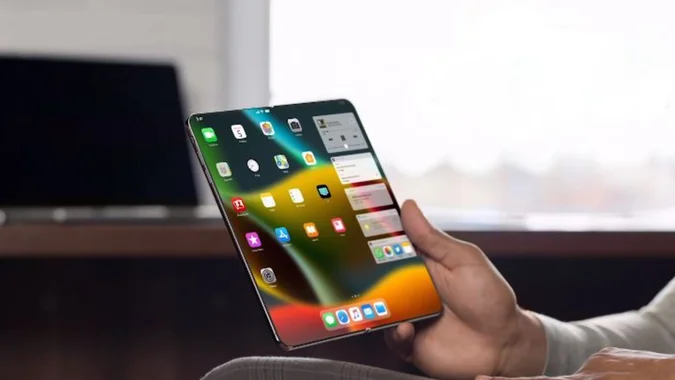
Pricing’s expected to stay around $1,100, matching the Z Flip 7’s launch price. That keeps Samsung competitive against Motorola’s Razr lineup while maintaining the premium flip phone experience. It’s a smart positioning move, especially as rumors swirl about Apple’s potential foldable iPhone entering the market around similar timelines.
Look for a summer 2026 launch, likely July if Samsung sticks to its usual schedule. This timing gives the company room to refine the design based on Z Flip 7 feedback while also aligning with broader component availability cycles in the industry.
What’s fascinating here is how this fits into Samsung’s larger display technology ambitions. While they’re perfecting pocket-sized foldables, they’re also pushing boundaries with massive Micro-RGB TV expansions. It’s a company playing at both extremes of the screen size spectrum, and the engineering lessons from each likely inform the other.
If these rumors pan out, the Galaxy Z Flip 8 could finally deliver the portable flip phone Samsung’s been chasing since the original Z Flip. It’s not just about making a thinner device. It’s about creating a foldable that disappears into your life rather than demanding constant attention for its compromises. That’s the real revolution, and it might be closer than we think.