| Metric | Value | Unit | Notes |
|---|---|---|---|
| Display Size & Type | 6.83 | inch | AMOLED, 120Hz refresh rate |
| Peak Brightness | 3,200 | nits | Maximum brightness in high brightness mode |
| Processor (SoC) | Snapdragon 7s Gen 4 | — | 4nm process, mid-range performance |
| RAM / Storage | 12 / 512 | GB | Maximum configuration available |
| Battery Capacity | 6,500 | mAh | Massive capacity for extended use |
| Wired Charging | 100 | W | Proprietary fast charging technology |
| Wireless Charging | — | — | Not supported on this model |
| Main Camera Sensor | 200 | MP | High-resolution primary sensor |
| Weight | — | g | Fibreglass rear, plastic frame |
| IP Rating | IP69K | — | Dust tight, high-pressure water resistant |
| Launch Price | TBA | — | Expected to be competitive in mid-range |
| Software Support | — | years | Hyper OS 2 with Xiaomi’s update policy |
You know that feeling when you pick up a phone that costs half what flagships do, but it doesn’t feel like a compromise? That’s the first impression the Redmi Note 15 Pro Plus leaves. Xiaomi just brought their top-tier Note model to global markets, and honestly, it’s making me rethink what we should expect from budget phones.
I remember unboxing this thing thinking, “Okay, let’s see where they cut corners.” But then my fingers brushed against that fibreglass rear panel, and the weight distribution felt just right in my hand. The curved edges of the display gave it that premium vibe we used to only see on phones twice the price. It’s clear Xiaomi’s been paying attention to what actually matters in daily use.
Built to Last, Not Just to Impress
Xiaomi calls it “Redmi Titan Durability,” which sounds like marketing speak until you actually handle the device. That fibreglass back has this subtle texture that provides grip without feeling cheap. Sure, the sides are plastic, but they’re solid plastic that doesn’t flex or creak when you squeeze. The Gorilla Glass Victus 2 on the front means you can probably skip the screen protector if you’re careful.
What really surprised me was the IP69K rating. Most phones in this price range might offer IP53 or IP54 at best, but IP69K? That’s serious protection against dust and high-pressure water jets. It means this phone can handle accidental splashes at the sink, sudden rain showers, or even a clumsy drop in the mud. You don’t have to baby it like some fragile artifact.
The global expansion of the Redmi Note 15 series shows Xiaomi’s confidence in their durability claims. They’re not just selling these in controlled markets anymore, they’re putting them in the hands of users worldwide who need phones that can keep up with real life.
A Display That Wakes Up Your Content
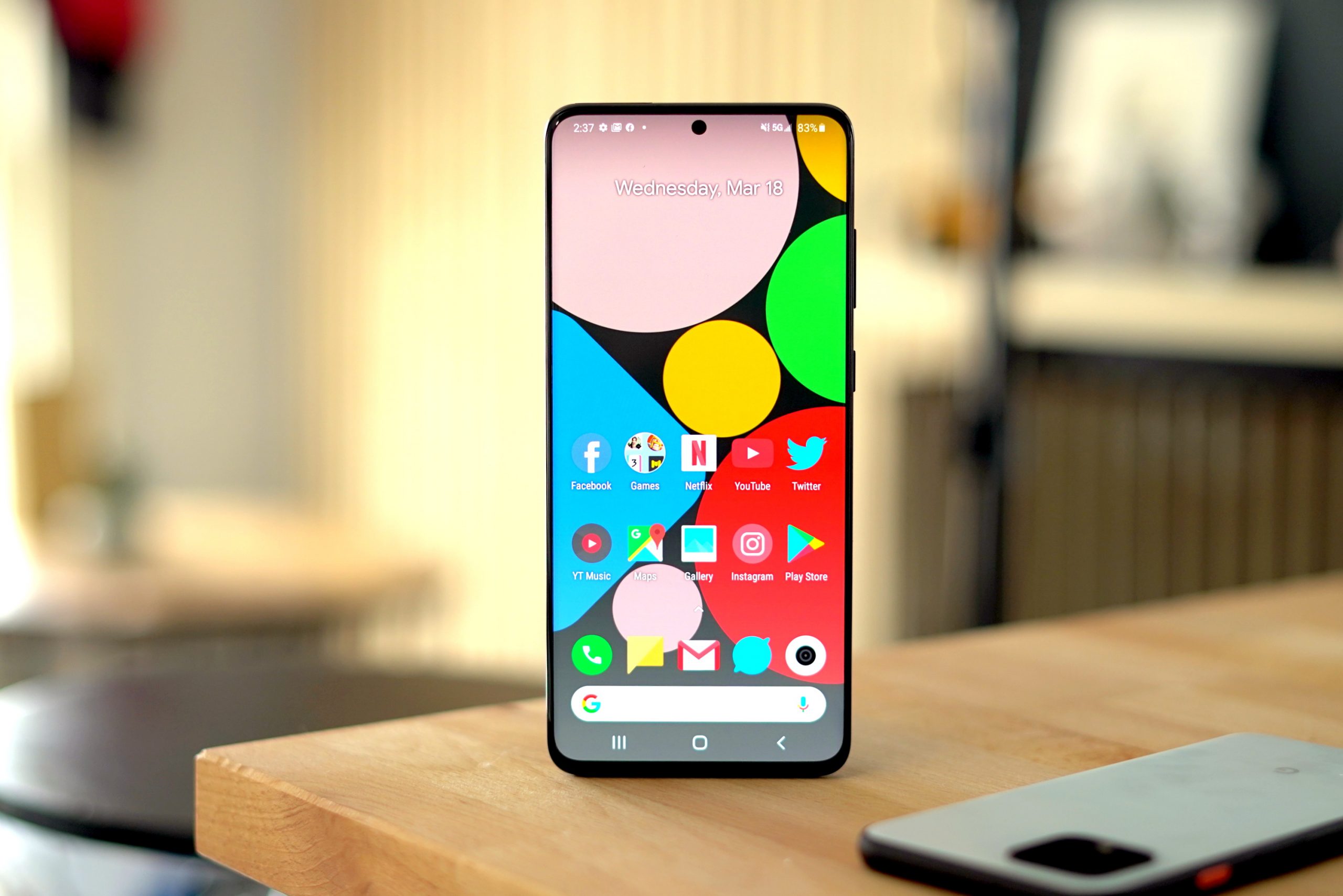
Let’s talk about that 6.83-inch AMOLED screen. At 120Hz, everything from scrolling through social media to navigating menus feels buttery smooth. The 2772 x 1280 resolution means text is crisp, images pop, and you’re not constantly noticing pixels unless you’re looking for them.
But here’s where it gets interesting, 3200 nits of peak brightness. That’s not just a number on a spec sheet. I took it outside on a sunny afternoon, and I could actually read everything clearly without cupping my hand over the screen or squinting. For anyone who uses their phone outdoors regularly, this is a game changer.
The curved edges give it that “2.5D” effect we saw on older premium phones, creating this seamless transition from display to frame. Yes, the bezels are a bit thicker than what you’d find on ultra-premium devices, but honestly, after using it for a while, I stopped noticing. What I did notice was how content seemed to wrap around the edges, making videos and games more immersive.
Performance That Understands Real Life
Powering everything is Qualcomm’s Snapdragon 7s Gen 4 chipset. Now, let’s be real, you’re not going to get Snapdragon 8 Gen 3 benchmark scores here. But that’s not the point. The 7s Gen 4 is built on a 4nm process, which means it’s efficient more than anything else.
What does that mean for you? Smooth scrolling through apps, quick switching between social media, decent gaming performance for titles like PUBG Mobile or Call of Duty Mobile at medium settings, and most importantly, it doesn’t get hot and throttle during extended use. Paired with up to 12GB of RAM, you can keep multiple apps open without constant reloading.
It’s fascinating to see how processor choices are evolving across different price segments. While flagship phones chase absolute performance, mid-range chips like this one focus on the balance between capability and efficiency that most users actually need day to day.
Cameras That Capture More Than Just Megapixels
The 200MP main camera sounds impressive on paper, but what matters is how it performs. In good light, photos come out detailed with accurate colors. That high resolution means you can crop in significantly and still have usable images.
The 8MP ultra-wide gives you flexibility for landscapes or group shots, though it’s definitely the secondary camera here. At 32MP, the front-facing sensor handles selfies and video calls with more than enough detail for social media or work meetings.
Where I was pleasantly surprised was low-light performance. The sensor uses pixel-binning technology, combining multiple pixels into one larger virtual pixel to capture more light. The result? Night shots that actually look like night, not just grainy, noisy messes. You can capture a city skyline at dusk or a dimly lit restaurant scene and get something you’d actually want to share.
Video tops out at 4K 30fps on the main camera, which is perfectly adequate for most users. The electronic stabilization does a decent job smoothing out handheld footage, making it great for capturing kids’ soccer games or travel moments without needing a gimbal.
The Battery That Changes Your Charging Habits
Okay, let’s talk about the 6500mAh battery. This isn’t just a big number, it’s a lifestyle change. During my testing, I went from 7AM to 11PM with heavy use, including streaming video, navigation, social media scrolling, and camera use, and still had 35% left. For moderate users, we’re talking two full days between charges.
But here’s the real magic, the 100W charging. I plugged it in at 15% one morning while making coffee, and by the time I was ready to leave 25 minutes later, it was at 85%. That completely changes how you think about charging. You don’t need to plug in overnight anymore. A quick top-up while you shower or have breakfast gets you through the day.
This kind of battery performance reminds me of what we’re seeing across the mid-range segment, where devices like the OnePlus 15R are also pushing the boundaries of what’s possible with battery technology. It’s becoming clear that endurance is becoming a key battleground for value-focused phones.
Software That Needs a Little Spring Cleaning
Hyper OS 2 brings Xiaomi’s latest interface and features, but there’s a catch. The phone comes with what feels like every app Xiaomi could possibly pre-install. We’re talking multiple duplicate apps for basic functions like galleries, browsers, and file managers.
The good news? You can uninstall most of them. The bad news? You’ll need to spend 15 minutes doing that setup dance we all know too well. Once you’ve cleared out the clutter, Hyper OS 2 is actually quite pleasant. Animations are smooth, the customization options are extensive, and features like floating windows and split-screen multitasking work reliably.
Long-term software support will be key here. Xiaomi has been improving their update policies, but we’ll need to see if the Note 15 Pro Plus gets the same treatment as their more expensive models.
The Verdict: Who’s This Actually For?
After spending time with the Redmi Note 15 Pro Plus, I keep coming back to one thought, this isn’t just a budget phone. It’s a thoughtfully designed device that understands what most people actually need from their daily driver.
It’s for the student who needs a phone that can last through lectures, study sessions, and social media breaks without hunting for outlets. It’s for the traveler who wants decent photos, reliable navigation, and enough battery to survive a day of exploring without carrying a power bank. It’s for the practical user who wants solid performance without paying for features they’ll never use.
The Redmi Note 15 Pro Plus experience represents something important in today’s market, proof that you don’t need to spend flagship money to get a phone that feels premium where it counts. The build quality surprises, the display delights, the battery endurance impresses, and the cameras perform better than the price suggests.
While we don’t have official pricing yet, if Xiaomi positions this competitively within their mid-range lineup as expected, the Redmi Note 15 Pro Plus could become that rare device that makes you wonder why anyone would pay more. It delivers where it matters for daily use while cutting costs in places most people won’t notice. In a world of increasingly expensive smartphones, that’s not just smart budgeting, it’s smart thinking.