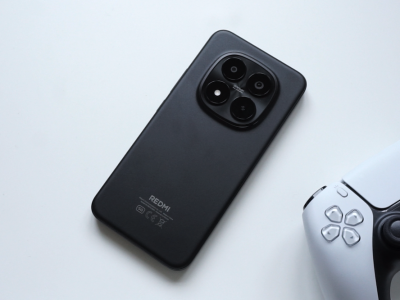
The box feels surprisingly substantial in your hands, not because it’s overly large, but because what’s inside represents something important. Xiaomi’s Redmi Note series has always played in the budget space, but with the Note 15 Pro Plus, they’re not just playing anymore. They’re redefining expectations. After the Redmi Note 15 series made its global debut, this Pro Plus variant arrives with upgrades that make you question what ‘budget’ really means in 2024.
| Metric | Value | Unit | Notes |
|---|---|---|---|
| Display Size & Type | 6.83 | inch | AMOLED, 120Hz refresh rate, 2772 x 1280 resolution |
| Peak Brightness | 3,200 | nits | Maximum brightness for HDR content |
| Processor (SoC) | Snapdragon 7s Gen 4 | — | 4nm process, mid-range performance |
| RAM / Storage | 12 / 512 | GB | Maximum configuration available |
| Battery Capacity | 6,500 | mAh | Massive capacity for extended use |
| Wired Charging | 100 | W | Proprietary fast charging technology |
| Main Camera | 200 | MP | High-resolution sensor with pixel binning |
| Ultra-wide Camera | 8 | MP | Wide-angle lens for landscape shots |
| Front Camera | 32 | MP | Selfie and video call camera |
| Build Materials | — | — | Fibreglass rear, Gorilla Glass Victus 2 front, plastic frame |
| IP Rating | IP69K | — | Dust tight, high-pressure water jet resistant |
Build Quality That Surprises
Xiaomi calls it ‘Redmi Titan Durability,’ and while that sounds like marketing speak, there’s substance behind it. The fibreglass rear panel has this subtle texture that provides grip without feeling cheap. Corning’s Gorilla Glass Victus 2 protects the display, something we usually see on phones costing twice as much. Yes, the sides are plastic, but they’re well-finished plastic that doesn’t creak or flex. That IP69K rating isn’t just for show either. It means this phone can handle dust storms and high-pressure water jets, which translates to real-world peace of mind when you’re caught in a downpour or working in dusty conditions.
A Display That Actually Works Outdoors
That 6.83-inch AMOLED display immediately catches your eye. At 120Hz, everything from scrolling through social media to navigating menus feels fluid and responsive. The 3200 nits peak brightness means you can actually use this phone outdoors in direct sunlight, something many budget devices struggle with. The resolution sits at 2772 x 1280 pixels, which is sharp enough for daily use without being overkill. Yes, the bezels are thicker than what you’d find on flagship devices, and the edges curve slightly like those nostalgic 2.5D screens from years past. But here’s the thing, those thicker bezels make the phone easier to hold without accidental touches, and that subtle curve feels comfortable in the hand.
Performance That Handles Real Life
Powering everything is Qualcomm’s Snapdragon 7s Gen 4, built on a 4nm process. You won’t get Snapdragon 8 Gen 3 benchmark numbers here, but that’s not the point. What you get is smooth performance for everyday tasks, social media, messaging, and even some gaming. Paired with up to 12GB of RAM and 512GB of storage, this configuration handles multitasking better than some phones I’ve tested at higher price points. The software experience comes via Hyper OS 2, and yes, there are pre-installed apps. Lots of them. But here’s the practical reality, you can uninstall most of them, and what remains is a clean, responsive interface that doesn’t bog down over time.
Cameras That Capture More Than Expected
I took the Note 15 Pro Plus out on a cloudy afternoon, expecting the 200MP main camera to struggle with the flat light. Instead, it captured details in tree bark and building textures that surprised me. The pixel binning technology combines multiple pixels into larger ones, resulting in cleaner 12.5MP photos with excellent dynamic range. That 8MP ultra-wide won’t win awards for resolution, but it’s perfectly serviceable for group shots and landscapes. At night, the camera holds its own, producing usable shots without excessive noise. Video tops out at 4K/30fps on the main camera, which is more than enough for social media content and family memories.
Battery Life That Changes Your Habits
Now let’s talk about the 6500mAh battery. In practical terms, this means two full days of moderate use or a solid day and a half of heavy use. I used it for navigation, photography, social media, and streaming, and it still had juice left the next evening. The 100W charging is where things get interesting. From completely dead to 100% takes about 30 minutes with the included charger. That changes your relationship with charging entirely. Forget overnight charging, just plug it in while you shower and get dressed in the morning.
The New Budget Reality
So who is this phone for? Students who need reliability without breaking the bank. Travelers who want durability and battery life. Anyone tired of charging their phone every night. The Redmi Note 15 Pro Plus genuinely redefines what budget phones can deliver. It’s not about cutting corners anymore, it’s about smart compromises. Plastic sides instead of metal, but you get IP69K protection. A mid-range processor, but paired with ample RAM and storage. What Xiaomi has done here reflects a broader shift in the industry, where component suppliers like Samsung for displays and Sony for camera sensors have driven costs down while maintaining quality. The overall Redmi Note 15 experience shows that budget doesn’t have to mean basic anymore. It can mean practical, durable, and surprisingly capable.