Xiaomi just dropped another contender into the global smartphone arena, and this one might just redefine what we expect from budget devices. The Redmi Note 15 has officially made its way to international markets, bringing with it a surprising blend of premium features at a price point that won’t make your wallet wince.
If you’ve been tracking Xiaomi’s relentless release schedule, you know they don’t just iterate, they often reinvent. With the Redmi Note 15, they’re proving that budget doesn’t have to mean basic. This phone sits at the entry point of the new Note 15 series, with the more capable Redmi Note 15 Pro Plus anchoring the top end. But don’t let that “entry-level” tag fool you, there’s plenty here that feels anything but entry-level.
| Metric | Value | Unit | Notes |
|---|---|---|---|
| Display Size & Type | 6.77 | inch | AMOLED panel with curved edges |
| Processor (SoC) | Snapdragon 6 Gen 3 | — | 4nm process, designed for efficiency |
| RAM / Storage | 12 / 256 | GB | LPDDR4X RAM, UFS 2.2 storage (typical config) |
| Battery Capacity | 5,520 | mAh | Dual-cell architecture for better heat management |
| Wired Charging | 45 | W | 0-100% in about 65 minutes |
| Main Camera Sensor | 108 | MP | Samsung HM6 sensor, f/1.8 aperture |
| Ultra-wide Camera | 8 | MP | 120-degree field of view |
| Front Camera | 20 | MP | In-display punch-hole design |
| Weight | 195 | g | Plastic frame with curved glass back |
| IP Rating | IP66 | — | Dust tight; protected against powerful water jets |
| Software | Android 15 | — | With Hyper OS 2 skin, 3 years of updates promised |
That Premium Feel in Your Hand
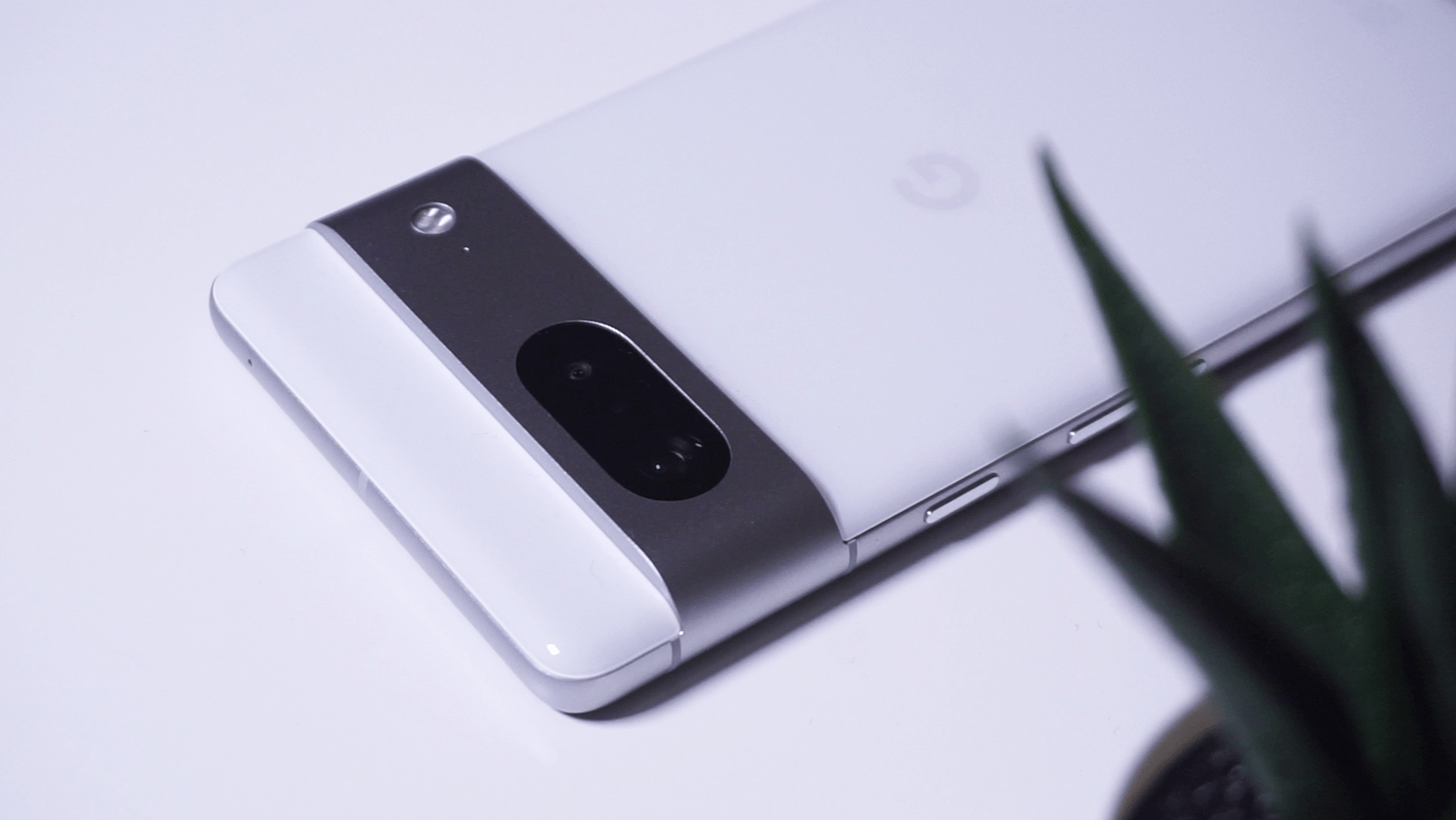
Pick up the Redmi Note 15, and the first thing you notice is how it doesn’t feel like a budget phone. Xiaomi has carried over the design language from the Note 14 Pro, which means you get those satisfying curved edges on both the display and rear panel. The large camera island at the back gives it a distinctive look that’s become something of a signature for recent Xiaomi devices.
The plastic chassis might sound like a compromise, but in practice, it’s a smart choice. It keeps the weight down to a manageable 195 grams while allowing for that IP66 rating, something you don’t always see at this price point. Imagine being caught in a sudden downpour while checking directions, your phone getting splashed, and you not having to panic. That’s the kind of practical luxury IP66 brings to everyday life.
A Display That Surprises
That 6.77-inch AMOLED screen is where the Redmi Note 15 starts to punch above its weight class. AMOLED technology means true blacks, vibrant colors, and excellent contrast ratios. It’s the same display tech you find in phones costing twice as much. The curved edges aren’t just for show, they make swiping gestures feel more natural, like your finger is gliding off the edge of the content itself.
Watching videos on this display is a genuine pleasure. The colors pop without looking oversaturated, and black levels are deep enough that dark scenes in movies don’t turn into murky gray messes. For a device in this segment, the display quality is frankly impressive. It’s a reminder that display technology has trickled down remarkably well through the price tiers.
Performance: Smart Choices for Real Usage
Under the hood, the Snapdragon 6 Gen 3 might not win any benchmark wars, but that’s missing the point. Qualcomm designed this chip specifically for the budget to mid-range segment, focusing on efficiency and reliable performance rather than raw power. Built on a 4nm process, it’s surprisingly capable for everyday tasks.
Here’s where Xiaomi’s configuration choice matters, they’re offering a 12GB RAM version, and if you’re considering this phone, that’s the one to get. In 2024, 12GB of RAM means your phone won’t start choking when you have multiple apps open. You can switch between your messaging apps, browser tabs, and that game you play during your commute without everything reloading constantly.
The storage situation is equally thoughtful. With 256GB as the likely base configuration, you’re not constantly managing space or relying on cloud storage for everything. It’s a configuration that understands how people actually use their phones in 2024.
Camera System: More Than Megapixels
That 108MP main camera sounds impressive on paper, and it should. The Samsung HM6 sensor behind those megapixels is capable of capturing plenty of detail, especially in good lighting. But what’s more interesting is how Xiaomi has tuned the software processing. The images come out with natural colors rather than the oversaturated look some budget phones default to.
The 8MP ultra-wide gives you flexibility for landscapes or group shots, while the 20MP front camera handles selfies and video calls competently. It’s not going to replace a dedicated camera, but for social media, memories, and everyday photography, it’s more than sufficient. Think about capturing your kid’s soccer game or a spontaneous dinner with friends, the Redmi Note 15 handles these moments without fuss.
Software That Actually Lasts
Android 15 with Hyper OS 2 is a solid foundation. Xiaomi’s software skin has matured significantly over the years, offering useful features without becoming bloated. The promise of three years of updates means this phone won’t feel abandoned in 18 months, a common frustration with budget devices.
Hyper OS 2 brings some genuinely useful additions, like better cross-device integration if you’re in Xiaomi’s ecosystem and optimization features that help with battery life. It’s software designed for longevity, which matters when you’re buying a phone you plan to use for years.
Battery Life That Gets You Through
That 5,520mAh battery capacity shown in the table above isn’t just a big number, it translates to real-world endurance. We’re talking about getting through a full day of heavy use without glancing nervously at the battery percentage. For lighter users, you might even stretch into a second day.
The 45W charging might not be the fastest on the market, but it’s plenty quick for a budget device. From dead to full in about 65 minutes means you can top up during your morning routine and head out with plenty of juice. It’s charging speed that’s practical rather than just impressive on paper.
Where It Fits in the Market
Looking at the competitive landscape, the Redmi Note 15 arrives at an interesting time. It’s going up against established players in the budget segment while also facing pressure from devices like the OnePlus 15R that blur the line between mid-range and budget. What sets the Redmi Note 15 apart is its combination of that premium-feeling design, capable camera system, and software support promise.
From a supply chain perspective, Xiaomi’s scale gives them advantages in component sourcing that smaller manufacturers can’t match. They can secure better pricing on displays, camera sensors, and chipsets, which they’re passing along in the form of better specs at lower prices. It’s the kind of economies of scale play that has made Xiaomi a dominant force in emerging markets and now increasingly in global ones.
The Everyday Experience
Using the Redmi Note 15 day to day, you notice the little things. The haptics have a satisfying precision to them, better than you’d expect at this price. The software animations are smooth, not janky. The phone feels responsive when you’re navigating menus or switching between apps.
It’s the kind of device that disappears into your routine. You’re not constantly aware of its limitations because, for most tasks, there aren’t significant ones. Whether you’re scrolling through social media, responding to emails, navigating with maps, or watching videos, the Redmi Note 15 handles it all competently.
As Xiaomi’s global expansion continues, devices like the Redmi Note 15 demonstrate their understanding of what international markets want. It’s not just about specs on paper, it’s about delivering a complete experience that feels premium where it matters most.
Final Thoughts
The Redmi Note 15 represents something important in the smartphone market, the continued elevation of what budget means. It’s no longer about cutting every corner to hit a price point. Instead, it’s about making smart compromises that preserve the experience while managing costs.
For someone looking for a capable daily driver that won’t break the bank, the Redmi Note 15 makes a compelling case. It offers that premium feel in hand, a display that delights, cameras that capture life’s moments adequately, and battery life that doesn’t leave you anxious. In a market crowded with options, the Redmi Note 15 stands out by delivering more than its price tag suggests it should.
That’s the real achievement here, not just another budget phone, but a device that makes you reconsider what budget can mean in 2024.