| Metric | Value | Unit | Notes |
|---|---|---|---|
| Folded Thickness | 6 | mm | Rumored measurement when closed |
| Unfolded Thickness | 12 | mm | Estimated when fully opened |
| Weight | 170 | g | Lighter than most standard smartphones |
| Processor (SoC) | Exynos 2600 | — | 2nm process technology |
| RAM / Storage | 12 / 256-512 | GB | Base model starts at 256GB |
| Battery Capacity | 4,300 | mAh | Meaningful bump over previous models |
| Expected Price | 1,100 | USD | Matching Z Flip 7 launch pricing |
| Target Launch | Summer 2026 | — | Likely July based on Samsung’s schedule |
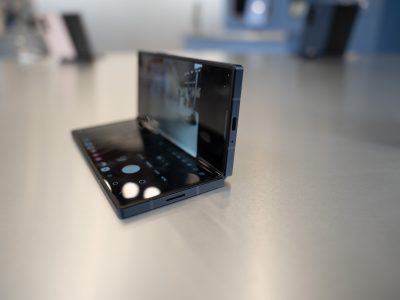
Remember that awkward bulge in your jeans pocket from early foldables? Samsung apparently does too, and they’re determined to make you forget it ever existed. The latest Galaxy Z Flip 8 rumors suggest the company’s next clamshell could be its slimmest yet, potentially measuring just 6mm when folded. That’s roughly 10% thinner than the Z Flip 7, and it represents a meaningful step toward making foldables feel less like carrying a folded brick and more like the sleek pocket companions they promise to be.
The Pocket-Friendly Revolution
Let’s talk about that thickness for a moment. Some early reports had people scratching their heads about the 6mm folded, 12mm unfolded measurements. Here’s the thing about foldables: they’re naturally thicker when closed because you’re essentially stacking two displays and a hinge mechanism. The 12mm unfolded measurement makes perfect sense when you consider the engineering required to make everything flat and functional. What matters most for daily carry is that folded profile, and at 6mm, the Z Flip 8 would disappear into your pocket in a way previous models only dreamed of.
Weight’s dropping too, with rumors pointing to around 170 grams. For context, that’s lighter than most standard slab smartphones today, despite the Z Flip 8 packing two screens, a hinge, and all the extra hardware that makes folding possible. Imagine slipping this into your front pocket and barely noticing it’s there until you need it. That’s the promise Samsung seems to be chasing.
The company’s also reportedly working on reducing the visible screen crease and boosting overall durability. These have been two of the most consistent complaints about foldables since the category emerged. If Samsung can deliver meaningful improvements here while also slimming down the form factor, they might finally crack the code on mainstream foldable adoption.
Performance That Doesn’t Compromise
Under the hood, things get even more interesting. The Galaxy Z Flip 8 might pack Samsung’s upcoming Exynos 2600 chipset, built on an advanced 2nm process technology. This is the same silicon expected to power the Galaxy S26 series, and according to an Exynos 2600 leak, it could represent Samsung’s most competitive mobile processor in years. Pair that with 12GB of RAM, and you’re looking at smooth multitasking without the performance compromises that sometimes plagued early foldables.
Storage options should start at 256GB and go up to 512GB for those who need the space. That’s plenty for apps, photos, and media, especially when you consider how most of us use our phones today. The 2nm manufacturing process is worth highlighting here too. As nodes shrink, chips become more power efficient while delivering better performance. In a device where battery life and thermal management are critical, this advancement could make a noticeable difference in daily use.
Battery Life That Keeps Up With You
Speaking of battery life, the Z Flip 8 is rumored to get a meaningful bump to 4,300mAh or higher. That should handle a full day of social media scrolling, video calls, and typical smartphone use without hunting for a charger by dinner time. It’s a smart move considering the Z Flip 7’s battery already showed improvement over previous models.
Think about your typical day. You check messages in the morning, take a few photos at lunch, stream some music during your commute, and maybe video chat with family in the evening. The Z Flip 8’s rumored battery capacity suggests Samsung wants this device to handle that entire cycle without anxiety. It’s not just about raw capacity though. The efficiency gains from the 2nm Exynos 2600 should help stretch every milliamp-hour further.
Pricing, Competition, and The Road Ahead
Pricing is expected to stay around $1,100, matching the Z Flip 7’s launch price. That keeps Samsung competitive against Motorola’s Razr lineup while maintaining the premium flip phone experience. It’s a delicate balance. Charge too much, and you push potential buyers toward traditional flagships. Charge too little, and you risk compromising on materials or features that define the premium experience.
The foldable market is getting more interesting by the month. While Samsung refines its approach, competitors are entering the space with their own visions. We’re seeing Apple’s foldable iPhone plans taking shape, and Chinese manufacturers continue to push boundaries with innovative designs. Samsung’s response with the Z Flip 8 suggests they’re not resting on their early lead.
Look for a summer 2026 launch, likely July if Samsung sticks to its usual schedule. That gives the company time to refine the design, optimize software for the new hardware, and build up manufacturing capacity. The supply chain for foldables remains complex, with specialized components like ultra-thin glass and precision hinges requiring careful coordination across multiple suppliers.
The Foldable Promise, Finally Delivered?
If these rumors pan out, the Galaxy Z Flip 8 could represent a turning point for clamshell foldables. We’re moving past the novelty phase into genuine refinement. The combination of thinner design, competitive performance, and practical battery life addresses the core complaints that have held some buyers back.
There’s something genuinely exciting about a device that transforms from a compact square in your pocket to a full-sized smartphone in your hand. The Z Flip 8 rumors suggest Samsung is closer than ever to delivering that experience without compromise. No more awkward bulges, no more worrying about battery life, no more performance trade-offs. Just a phone that happens to fold, and does it exceptionally well.
We’ll be watching closely as more details emerge. But based on what we’re hearing, the future of flip phones looks thinner, lighter, and more capable than ever before.