There’s a quiet rebellion brewing in the Pixel community, and it’s not about camera specs or display refresh rates. It’s about something more fundamental: the feeling that your phone should just work without getting in your way. Longtime Pixel owners are speaking up about how Google’s aggressive push into AI has transformed their devices from responsive tools into sluggish assistants that prioritize flashy features over fluid functionality.
The Lag That Lingers
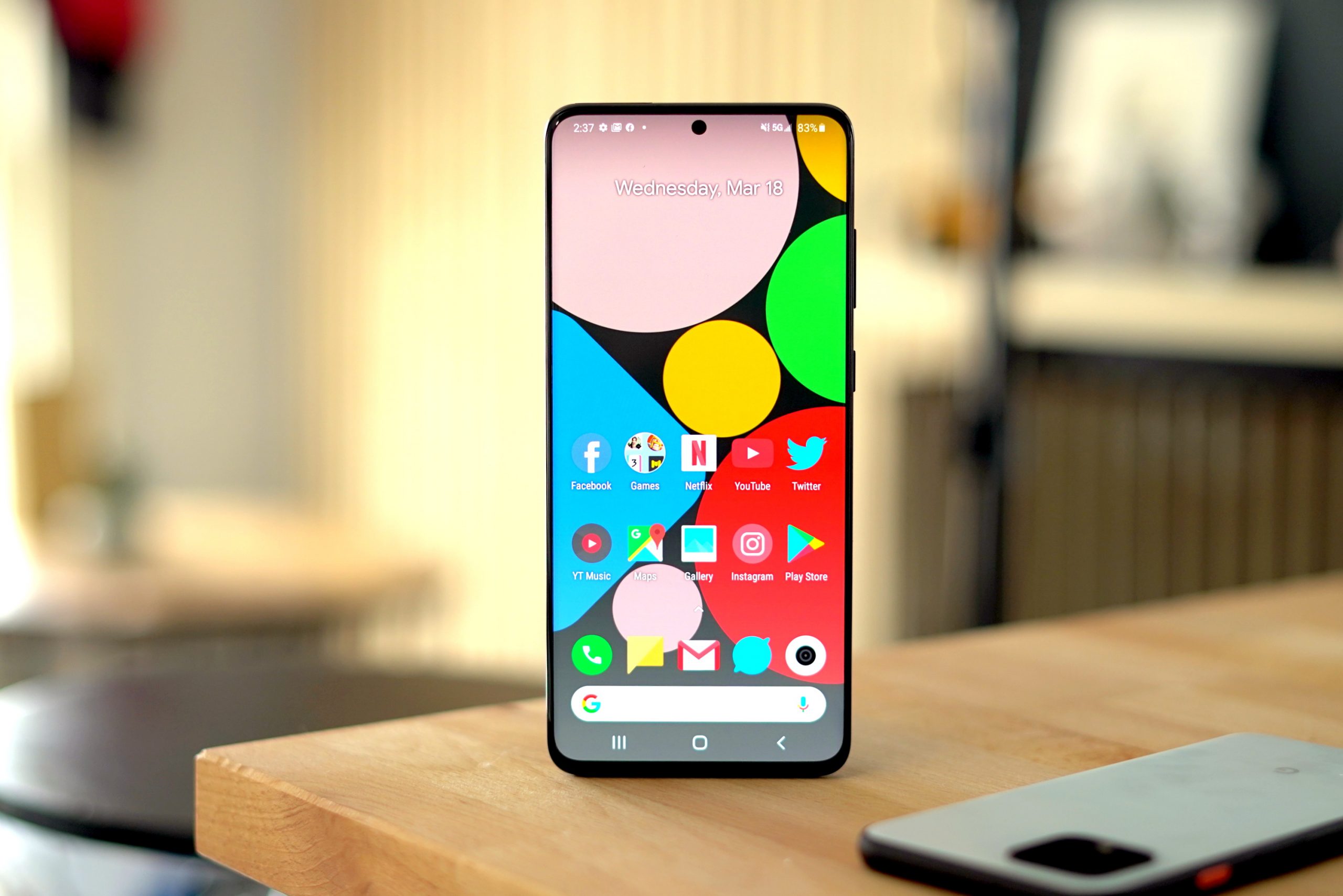
Picture this: you’re rushing to look up a restaurant address before meeting friends. You tap the familiar G pill at the bottom of your screen, expecting the instant Google search you’ve used for years. Instead, you’re greeted with a full-screen Gemini interface that takes a noticeable beat to load. That half-second delay might not sound like much, but in the rhythm of daily use, it adds up to frustration.
The complaints are specific and consistent across user forums. Editing a screenshot now requires extra taps as AI tools suggest enhancements you didn’t ask for. The dedicated AI button sits where muscle memory expects a normal Google search. Basic tasks that used to feel seamless now come with cognitive overhead, and for many users, that Pixel AI backlash represents a fundamental shift in what they want from their devices.
A Viral Cry for Simplicity
Reddit threads with titles like “Does anyone feel like AI is ruining the Pixel experience?” have gathered hundreds of upvotes and passionate comments. One user’s declaration that they “can’t stand this phone anymore” and would “prefer the Pixel 7” over their current AI-heavy model has resonated deeply with the community. This isn’t just isolated grumbling; it’s a collective longing for the simpler Pixel experience that once defined Google’s smartphone philosophy.
What’s particularly telling is how veteran Pixel fans describe the situation. They use terms like “slopification” to capture how AI has introduced delay, clutter, and unnecessary steps into workflows that used to be straightforward. The argument isn’t that AI features are useless, but that they often feel like solutions searching for problems rather than genuine improvements to daily phone use.
Not Just a Pixel Problem
Google isn’t alone in facing this criticism. Samsung’s Galaxy AI is creating similar frustration for some Galaxy owners, suggesting this is part of a broader industry trend. Across Android forums, people are questioning whether brands have become so focused on on-device AI tricks that they’re neglecting basics like battery life optimization and reliable camera performance.
From a technical perspective, the issue often comes down to resource allocation. AI features running in the background consume processor cycles and memory that could otherwise be dedicated to keeping the interface responsive. When you’re just trying to send a quick text or check the weather, you don’t need your phone analyzing your usage patterns or preparing AI summaries you didn’t request.
The User Rebellion
So what are frustrated Pixel owners doing about it? The solutions range from simple workarounds to more drastic measures. Many users are diving into Settings to disable as much AI functionality as possible, turning off AI Core and Android System Intelligence in hopes of reclaiming some responsiveness. Others are taking a harder look at the entire Android ecosystem, considering switches to manufacturers who might prioritize speed and stability over AI integration.
This creates an interesting AI dilemma for Google. The company has staked its mobile future on AI-everywhere strategy, betting that features like Gemini integration will differentiate Pixel phones in a crowded market. But there’s clearly tension between that vision and what a significant portion of their most loyal users actually want: fast, predictable phones that don’t try to be smarter than they need to be.
The Longing for What Was
For people who remember the Pixel 7 experience, the current direction feels like a step backward. That device represented a sweet spot where Google’s software intelligence felt helpful rather than intrusive. The haptics were precise, the interface flowed smoothly, and the overall experience felt cohesive in a way that current AI-heavy models sometimes don’t.
The irony is palpable. In trying to make phones smarter, Google has made some users feel like their devices have become dumber about understanding what really matters in daily use. It’s not that people dislike innovation, but they want it to serve the core experience rather than distract from it. They want their phones to feel like extensions of their intentions, not platforms for experimental features.
As Google continues expanding AI capabilities despite the complaints, the divide between corporate strategy and user preference grows wider. The question isn’t whether AI has a place in smartphones, but how it should be implemented to enhance rather than hinder. For now, many Pixel fans find themselves in an uncomfortable position: loving what their phones could be while missing what they once were.