The Foldable iPhone Dream Meets Manufacturing Reality
Picture this. It’s fall 2026, and Apple finally takes the stage to unveil what everyone’s been waiting for, the first foldable iPhone. The crowd goes wild, social media explodes, and your tech enthusiast friends start planning their upgrade cycles. But here’s the catch. Actually getting your hands on one might feel like trying to catch a unicorn. According to industry analyst Ming-Chi Kuo, Apple’s inaugural foldable iPhone could face such severe supply constraints that finding one at retail might remain a challenge well into 2027.
That’s right. Even if Apple sticks to its rumored late 2026 launch timeline, the company could struggle to manufacture enough units to meet what will undoubtedly be massive demand. Kuo suggests that “smooth shipments” won’t happen until 2027, meaning early adopters might face prolonged stock shortages and limited availability during that crucial first year.
Why Building a Foldable iPhone Is So Incredibly Hard
Let’s break down why foldable phones present such manufacturing headaches compared to traditional slab smartphones. It all comes down to physics, materials science, and precision engineering on a microscopic scale.
First, there’s the hinge mechanism. This isn’t just a simple piece of metal. It needs to allow tens of thousands of flawless open-close cycles while maintaining perfect alignment between display halves. Apple is reportedly still finalizing their hinge design, which adds risk to the production timeline. Then there’s the display itself. Ultra-thin glass layers, flexible OLED panels, and protective coatings all need to work in harmony without developing creases, dead pixels, or delamination issues.
Early production yields for these components tend to be low. Factories need time to perfect their processes, and defect rates during initial manufacturing runs can be significantly higher than with conventional phones. This isn’t unique to Apple. Samsung faced similar challenges with their early Galaxy Fold models, and they’ve had years to refine their approach.
The Supply Chain Squeeze
Kuo’s analysis suggests that constrained supply could persist through at least the end of 2026, with Apple taking a very conservative approach to initial production volumes. Imagine launch day stock disappearing in minutes, not hours. Customers in smaller markets or those wanting specific storage configurations and color options might face weeks or even months of waiting.
This major supply crunch aligns with previous forecasts that see the foldable iPhone selling in the “teens of millions” by 2027. That sounds like a lot, but it represents a gradual climb from extremely limited early supply to true mass-market volumes over several years.
From a consumer perspective, this means the first-generation foldable iPhone might function more like a halo product or tech status symbol than an everyday device for the masses. Constrained availability combined with what will likely be an ultra-premium price tag could put it out of reach for many Apple fans.
What This Means for You, the Consumer
If you’re already saving up for Apple’s foldable future, here’s what you need to know. First, manage your expectations about availability. Be prepared for potential pre-order battles, waiting lists, and limited color or storage options. Second, consider whether being an early adopter is worth the potential headaches. First-generation products often come with quirks that get ironed out in subsequent iterations.
Some users might decide to skip this initial model entirely if supply remains tight into 2027. They’ll wait for a second-generation device, especially if rumors point to better durability, refined designs, or wider availability down the line. This isn’t unlike what we’ve seen with other premium tech categories where early versions serve as proof-of-concept before mass adoption.
Interestingly, Apple’s entry into the foldable market will instantly legitimize the category for mainstream buyers who’ve been hesitant about Samsung’s offerings. However, those refined Samsung foldables might benefit from Apple’s supply constraints, giving Android manufacturers more time to solidify their market position.
The Bigger Picture in Mobile Innovation
What’s fascinating here is how this supply challenge reflects broader trends in consumer electronics. We’re pushing the boundaries of what’s physically possible with current manufacturing technology. The move toward foldable displays represents one of the most significant hardware shifts since the original iPhone introduced the multitouch interface.
Apple’s cautious approach makes sense from a quality control perspective. The company has built its reputation on delivering polished, reliable products. They can’t afford a repeat of Samsung’s early foldable missteps with displays failing after minimal use. Better to start slow and scale up production as yields improve and manufacturing processes mature.
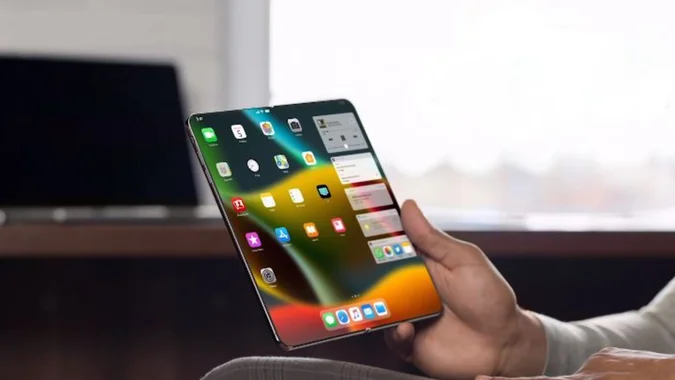
For those curious about what Apple’s foldable might actually look like, recent CAD leaks suggest a device that transforms from a pocketable phone into something resembling a miniature iPad experience. This dual functionality could justify the premium pricing, but only if the hardware delivers on its promise of seamless transformation.
Practical Advice for Potential Buyers
So what should you do if you’re determined to be among the first to experience Apple’s foldable vision? Start planning early. Monitor Apple’s usual announcement patterns, understand their pre-order system, and consider setting aside funds well in advance. Be flexible with your preferences. If you absolutely must have the 1TB model in Space Black, you might wait longer than someone willing to settle for 512GB in Silver.
Also, think about your current device’s longevity. If your iPhone 14 or 15 still has plenty of life left, waiting for the second-generation foldable might be the smarter play. You’ll benefit from refined hardware, potentially better software optimization, and hopefully easier availability.
Remember that consumer preferences sometimes swing back toward simplicity after periods of intense innovation. The foldable iPhone represents cutting-edge technology, but it also introduces new points of potential failure and complexity that traditional slab phones don’t have.
The Waiting Game Begins
As we look toward 2026 and beyond, Apple’s foldable iPhone represents both an exciting technological leap and a significant manufacturing challenge. The company’s legendary supply chain management will face its toughest test yet, balancing the desire to make a splash in a new category with the practical realities of producing incredibly complex hardware at scale.
For consumers, this means the foldable iPhone journey might require patience. But if Apple gets it right, the wait could be worth it. A device that seamlessly transitions from phone to tablet could redefine how we think about mobile computing, just as the original iPhone did nearly two decades ago.
The question isn’t whether Apple will eventually dominate the foldable market. It’s how quickly they can overcome these production hurdles to bring their vision to the masses. Based on current analysis, that answer appears to be: not as quickly as many fans might hope.