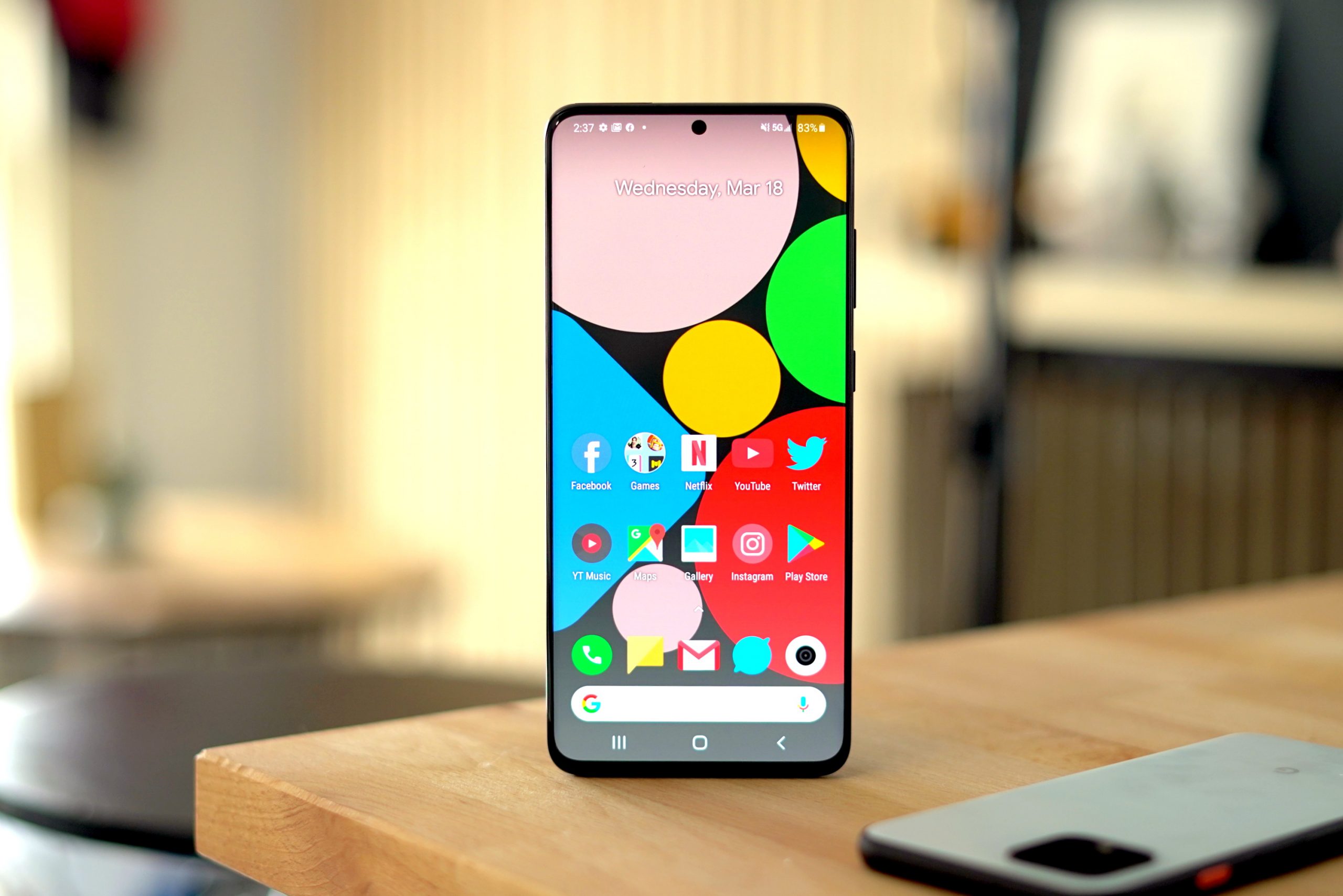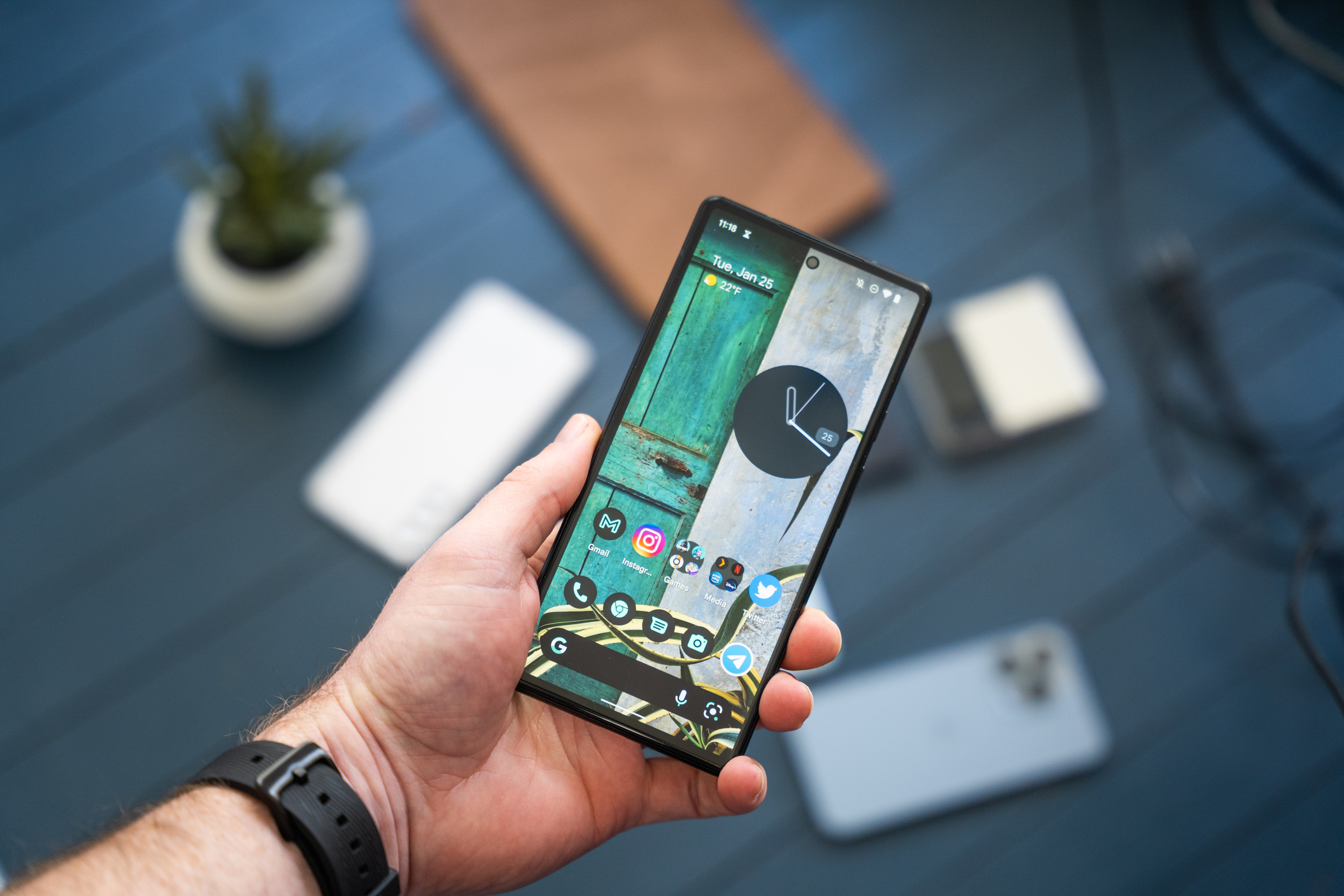
There’s something special about that Pixel experience. You know it if you’ve lived with one. The buttery smooth animations, the haptic feedback that feels like tiny, precise taps rather than vague vibrations, the clean software that just gets out of your way. It’s why people become Pixel fans in the first place. But lately, a growing chorus of those same fans are feeling a disconnect. Their phones don’t feel like the responsive, intuitive tools they fell in love with anymore. Instead, they’re encountering lag, extra steps, and a sense that their device is trying to be a little too clever for its own good.
The frustration is palpable across Reddit threads and tech forums. One viral post titled “Does anyone feel like AI is ruining the Pixel experience?” has become a rallying cry. The complaints are specific, not vague grumbles. Tapping the G pill, that circular icon that used to launch a snappy Google search overlay, now triggers a full-screen Gemini page that can feel sluggish. Want to edit a simple screenshot? You might find yourself tapping through AI-powered suggestions you never asked for before reaching the basic crop and draw tools. There’s even a dedicated AI button now, sitting where muscle memory expects a normal search function. This isn’t just about features. It’s about flow, and for many, the flow is broken.
The Core of the Frustration
Long-time users describe the situation with terms like “slopification.” It’s that feeling of delay, clutter, and unnecessary complexity creeping into tasks that should be instant. They argue that features like auto-summaries and context-aware suggestions often feel like solutions in search of a problem, existing more to showcase AI capabilities than to solve real user pain points. This sentiment is part of a broader Pixel AI backlash where the pursuit of intelligence seems to have come at the cost of immediacy and reliability.
Google isn’t alone in facing this critique. Samsung’s Galaxy AI is drawing similar feedback from some Galaxy owners. Across the Android ecosystem, there’s a noticeable trend of manufacturers prioritizing on-device AI tricks—live translation, generative photo editing, smart summaries—over nailing the fundamentals. Users are asking: where’s the focus on rock-solid battery life that lasts through a heavy day, or camera software that consistently delivers without computational over-processing? It’s a classic case of when smarter features make your phone feel slower, a trade-off that not everyone is willing to accept.
What Are Unhappy Users Doing?
The response from the community is telling. Some are taking a surgical approach, diving into Settings to disable AI Core and Android System Intelligence, effectively performing digital surgery to remove the features they see as bloat. Others are considering more drastic measures, looking at switching away from Pixel entirely. They’re searching for phones that feel less “AI-first” and more “user-first,” devices where speed, stability, and predictable performance are the top priorities.
This creates a clear tension. On one side, you have Google’s (and the industry’s) aggressive push toward an AI-everywhere future, a vision where your phone is a proactive assistant. On the other, you have a segment of users who just want a fast, reliable tool that doesn’t get in the way. For those who fondly remember the simpler, more responsive feel of a Pixel 7, the current trajectory can feel like a step backward. It’s the quintessential AI dilemma: at what point does making software smarter actually make the experience feel less intelligent from a user’s perspective?
The takeaway here isn’t that AI is inherently bad. The potential is enormous. But this moment serves as a crucial reminder for the industry: innovation must serve the experience, not overshadow it. A phone can have all the computational photography and language models in the world, but if it stutters when you’re just trying to send a text or check the weather, something fundamental has been lost. For true tech enthusiasts, that balance between cutting-edge capability and buttery-smooth daily use isn’t just a nice-to-have. It’s the whole point.