| Metric | Value | Unit | Notes |
|---|---|---|---|
| Display Size & Type | 6.77 | inch | AMOLED panel, curved edges |
| Processor (SoC) | Snapdragon 6 Gen 3 | — | 4nm process, designed for budget devices |
| RAM / Storage | 12 / 256 | GB | Recommended configuration for smooth performance |
| Battery Capacity | 5,520 | mAh | Large capacity for all-day use |
| Wired Charging | 45 | W | Fast charging support included |
| Main Camera Sensor | 108 | MP | High-resolution primary sensor |
| Ultra-wide Camera | 8 | MP | For wider field of view shots |
| Front Camera | 20 | MP | Selfie and video calling |
| IP Rating | IP66 | — | Dust and water protection |
| Operating System | Android 15 | — | With Hyper OS 2 interface |
Xiaomi just dropped something special for budget-conscious smartphone shoppers worldwide. The Redmi Note 15 is making its global debut, and honestly, it’s challenging everything we thought we knew about affordable phones. If you’ve been tracking Xiaomi’s pattern of delivering surprising value, this latest expansion of their Note series shouldn’t come as a shock. But what might surprise you is just how much phone you’re getting for what’s likely to be a very reasonable price.
Design That Belies Its Budget Roots
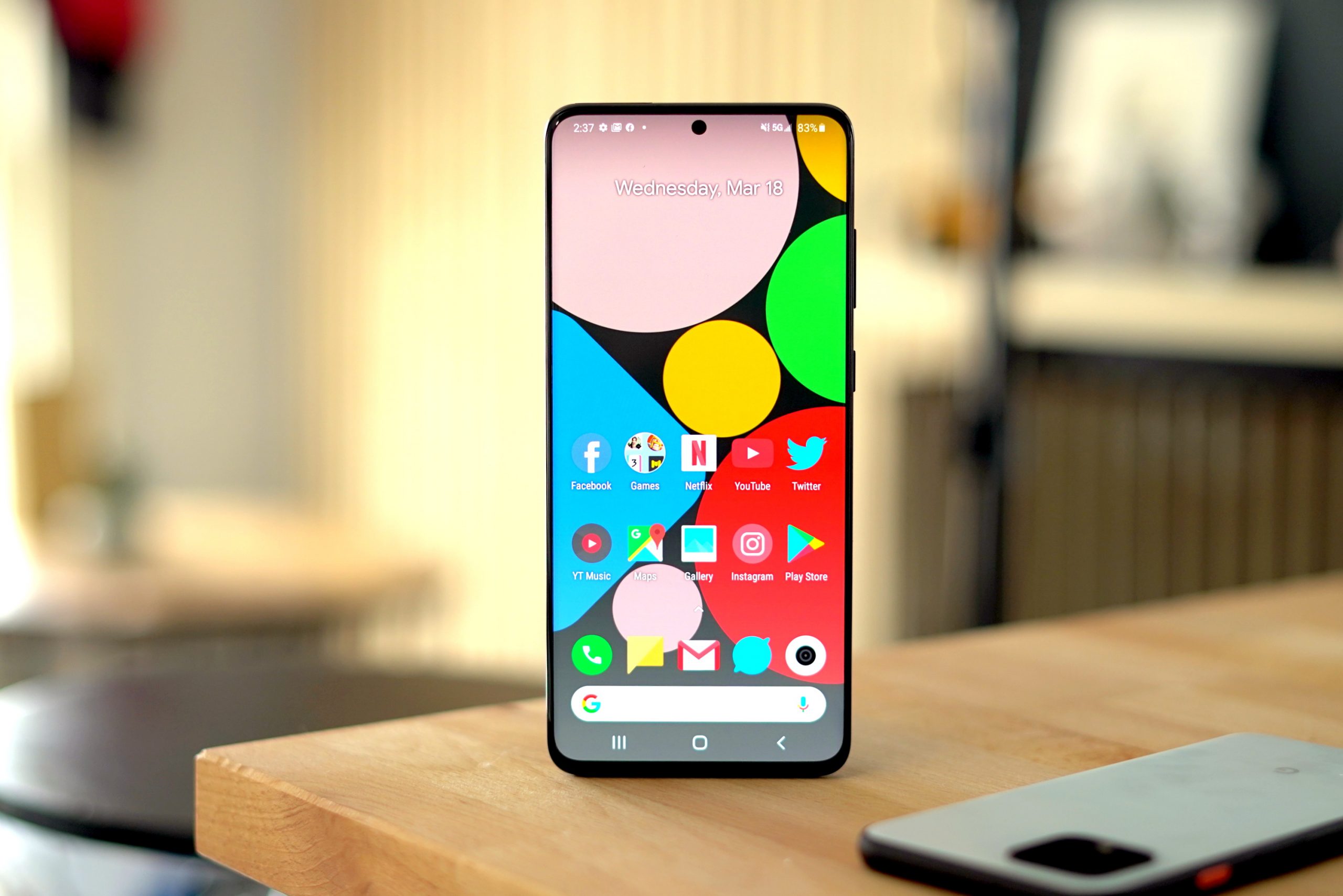
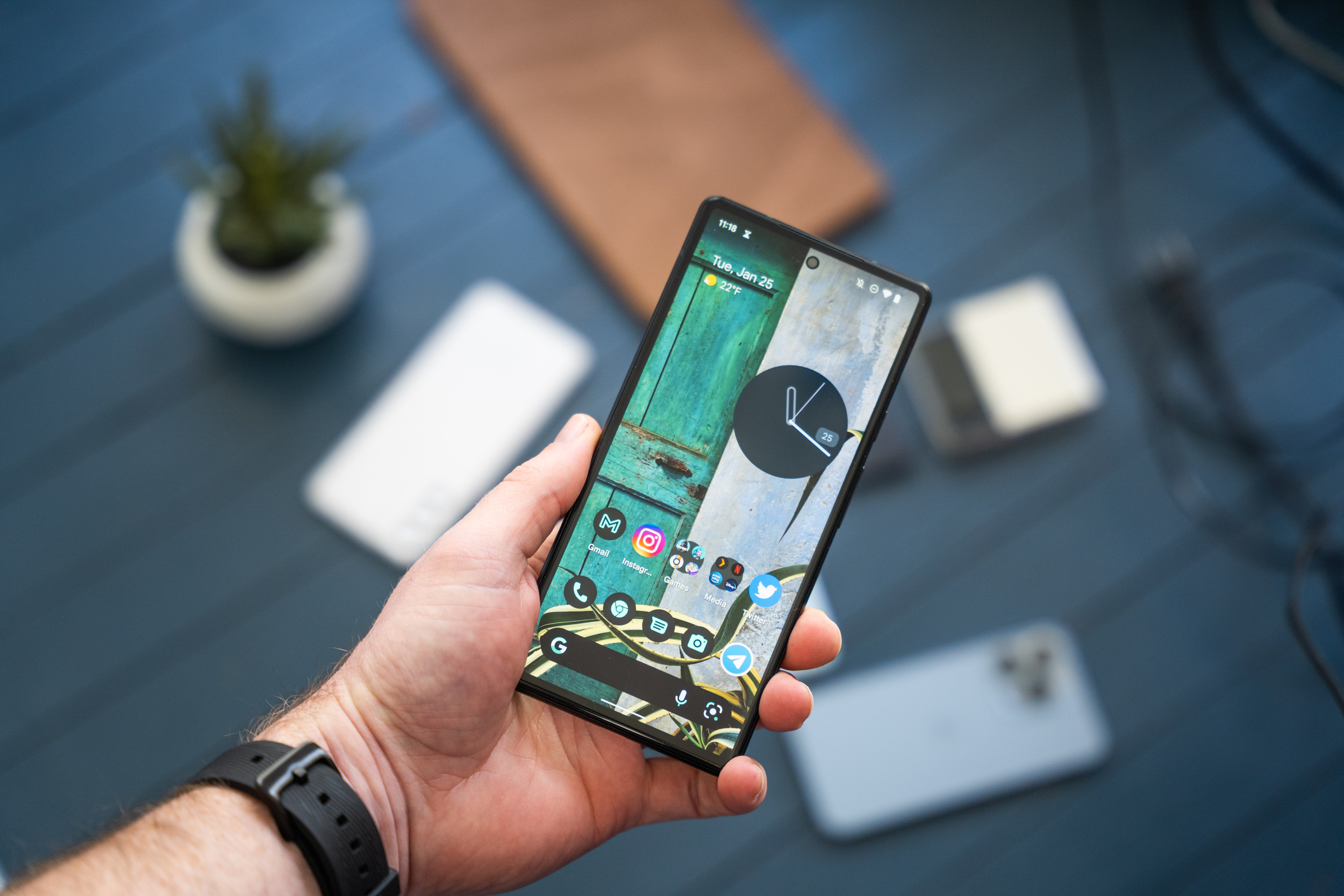
Pick up the Redmi Note 15, and your first impression won’t be “budget phone.” Xiaomi has carried over the elegant design language from the Note 14 Pro, complete with those satisfying curved edges that make the phone feel more expensive in hand than it actually is. The plastic chassis doesn’t feel cheap, not when it’s wrapped around a generous 6.77-inch AMOLED display that practically spills over the edges.
That IP66 rating is worth noting too. It means you can take this phone out in the rain or deal with dusty environments without constantly worrying about damage. In the budget segment, this level of protection is still somewhat rare, making the Note 15 stand out for practical, everyday use.
Display Technology Made Simple
Let’s talk about that screen for a moment. AMOLED technology means each pixel produces its own light, which translates to perfect blacks and vibrant colors. The 6.77-inch size gives you plenty of real estate for streaming videos, browsing social media, or getting work done on the go. Curved displays aren’t just about aesthetics, they make gestures feel more natural as your thumb sweeps across the edge of the glass.
What’s interesting from a supply chain perspective is how quickly AMOLED has trickled down to budget devices. Just a couple of years ago, this technology was reserved for flagships. Now, phones like the Redmi Note 15 bring that premium viewing experience to everyone, which says a lot about how display manufacturing has evolved.
Performance You Can Actually Count On
Under the hood, the Snapdragon 6 Gen 3 chipset handles daily tasks without breaking a sweat. This processor is built on a 4nm manufacturing process, which basically means it’s efficient with power while delivering solid performance. It’s designed specifically for the budget to mid-range segment, and honestly, for most people’s needs, it’s more than enough.
Here’s where Xiaomi gets smart, though. They’re offering a 12GB RAM version, and if you’re considering this phone, that’s the configuration to get. That extra memory means you can switch between apps without reloading, keep more games ready to play, and generally have a smoother experience over time. In the competitive mid-range space, where phones like the OnePlus 15R are raising the bar, having ample RAM makes a noticeable difference in day-to-day use.
Camera System That Surprises
The 108MP main camera isn’t just a big number for marketing. That high resolution means you can crop into photos significantly without losing detail, which is handy when you can’t get physically closer to your subject. The 8MP ultra-wide gives you flexibility for landscapes or group shots, while the 20MP front camera handles selfies and video calls with clarity.
Picture this, you’re at a family gathering as the sun starts to set. The lighting isn’t ideal, but you want to capture the moment. The Note 15’s camera system, combined with Xiaomi’s computational photography algorithms, can pull off surprisingly good shots in challenging conditions. It won’t replace a dedicated camera, but for social media and personal memories, it’s more than capable.
Battery Life That Gets You Through
That 5,520mAh battery is substantial. In practical terms, it means you can start your day at 7 AM and still have plenty of juice left by bedtime, even with moderate to heavy use. The 45W charging support means you can top up quickly when you do need power. Think about your morning routine, you wake up, realize you forgot to charge overnight, plug in while you shower and have breakfast, and you’ve gained enough battery to get through your commute.
Battery chemistry has come a long way, and these larger capacities combined with efficient processors like the Snapdragon 6 Gen 3 create devices that don’t force you to constantly hunt for outlets. For travelers, students, or anyone with an unpredictable schedule, this kind of endurance is genuinely valuable.
Software That Feels Fresh
Android 15 with Hyper OS 2 brings a clean, customizable interface to the Redmi Note 15. Xiaomi’s software approach has matured significantly over the years, focusing on stability and useful features rather than gimmicks. You get the latest security updates, modern interface elements, and compatibility with current apps and services.
What’s interesting from an industry perspective is how Android updates have become more consistent even in the budget segment. Manufacturers realize that long-term software support builds customer loyalty, and phones launching with the latest Android version have a longer useful life. This global launch of the Redmi Note 15 means users worldwide get that modern software experience from day one.
Where It Fits in Your Life
The Redmi Note 15 isn’t trying to be a flagship killer. Instead, it’s aiming to be the reliable daily driver that doesn’t make you feel like you’re compromising. It’s the phone you can take to work, use for navigation on weekend trips, hand to your kids for entertainment, and generally not worry about.
For students, it offers enough performance for research and note-taking while handling social media and streaming without issue. For professionals as a secondary device, it provides all the essential functions without the premium price tag. And for anyone looking to step up from an older budget phone, the improvements in display quality, camera capabilities, and overall polish are immediately noticeable.
As part of Xiaomi’s expanding Note 15 series, which includes the more capable Redmi Note 15 Pro+ at the top end, this base model represents accessible entry into modern smartphone features. The curved design, AMOLED display, capable cameras, and substantial battery all come together in a package that feels thoughtfully designed rather than simply cost-engineered.
In a market where budget phones often cut too many corners, the Redmi Note 15 finds a balance. It makes smart choices about where to invest the budget, prioritizing the display and battery life that users interact with constantly. The plastic build keeps costs down while the IP rating adds practical durability. The camera system offers modern resolution without unnecessary additional lenses.
Xiaomi’s global expansion with devices like this shows how competitive the budget segment has become. Companies can’t just throw together cheap components anymore, they need to deliver genuine value. The Redmi Note 15, with its thoughtful combination of features and quality touches, suggests that the era of the compromised budget phone might finally be ending. And honestly, that’s good news for everyone looking for capable technology without the premium price.