Remember when picking up a Pixel felt like holding the future? That clean Android experience, those buttery animations, the haptic feedback that just felt right. For years, Google’s phones built a reputation on being responsive, intuitive tools that got out of your way. But something’s shifted recently, and it’s got longtime Pixel fans talking, or more accurately, complaining loudly across Reddit and tech forums.
The issue isn’t about hardware quality or display technology. It’s about what happens when you bake AI so deeply into a phone’s interface that it starts to feel less like a helpful assistant and more like an intrusive roommate. We’re seeing a genuine Pixel AI backlash that’s making some users wish they could time travel back to their older, simpler devices.
The Reddit Uprising
It started with a viral thread titled “Does anyone feel like AI is ruining the Pixel experience?” that gathered hundreds of upvotes and comments. The sentiment was clear, a Pixel owner stating they “can’t stand this phone anymore” and would actually “prefer the Pixel 7” over their current AI heavy model. That’s telling, when someone wants to downgrade to last year’s hardware just to escape software decisions.
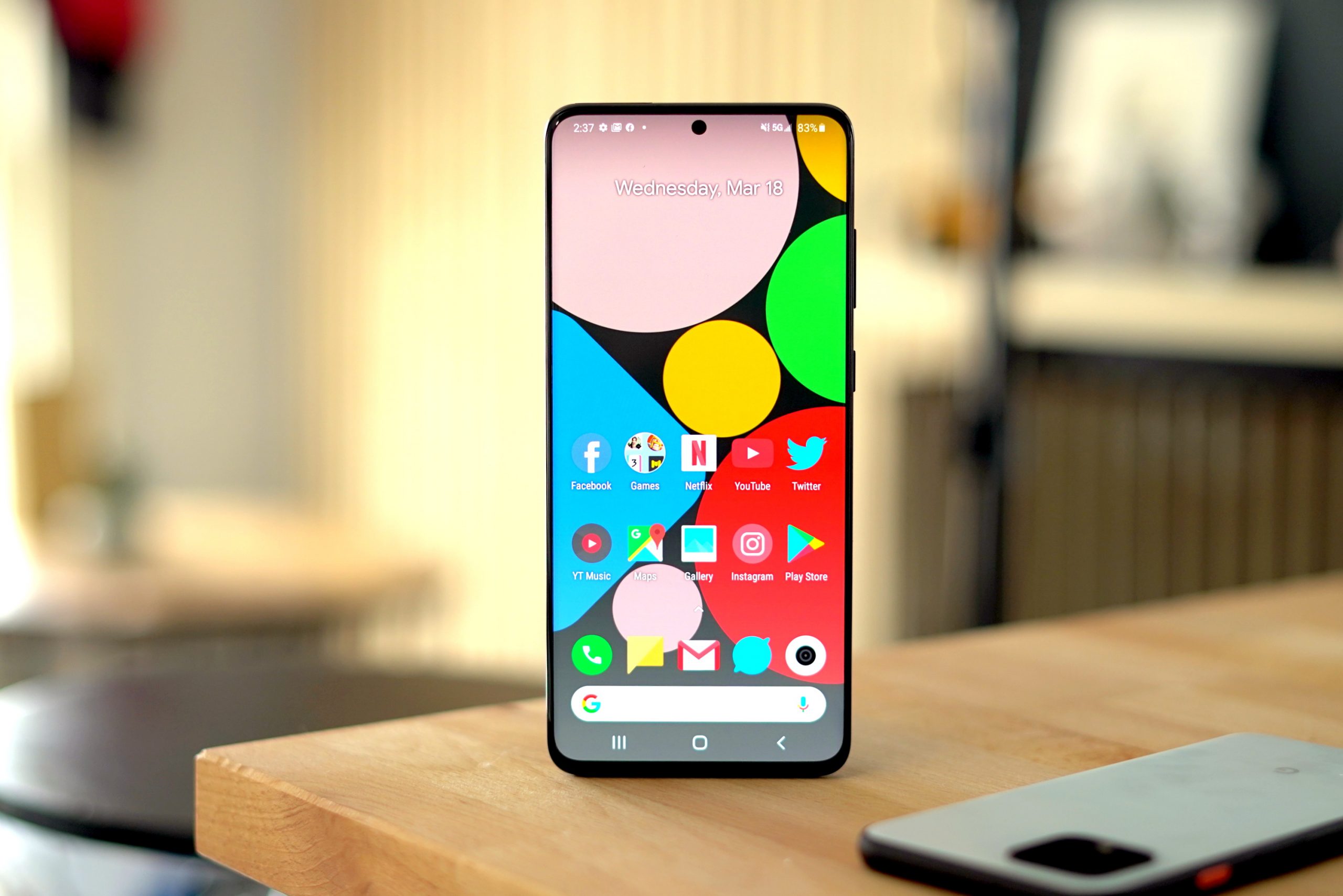
The complaints are specific, not vague grumbling. Tapping the G pill, that little circle at the bottom of your screen that used to launch a snappy Google search, now triggers a laggy full screen Gemini page. Editing a screenshot, something that should take two taps, now involves navigating through AI powered tools that feel like they’re getting in the way. There’s even a dedicated AI button sitting where people expect normal search functionality.
When Helpful Becomes Hindering
Longtime Pixel enthusiasts say the AI integration has introduced what they’re calling “slopification” of the experience. Features like auto summaries and AI suggestions, which sound great on paper, often feel like they exist to keep you tapping and scrolling rather than actually helping you complete tasks faster.
Imagine you’re trying to quickly look up a restaurant address before meeting friends. You tap for search, but instead of getting immediate results, you’re greeted with a sluggish AI interface asking what you’d like to know. That half second delay might not sound like much, but it breaks the flow of using your phone. It’s the digital equivalent of someone asking “how can I help you?” when you just want to grab your keys and go.
This performance friction is particularly frustrating because Pixel phones have historically excelled at fluid, responsive interactions. The displays are gorgeous, the haptics precise, but when the software introduces hesitation, those hardware qualities can’t compensate.
Not Just a Google Problem
While Pixel users are feeling this most acutely because Gemini and AI shortcuts are woven into nearly every part of their interface, Google isn’t alone. Samsung’s Galaxy AI is creating similar frustration for some Galaxy owners. Across Android forums, people are noticing how brands seem to be prioritizing on device AI tricks over fundamentals like consistent battery life and reliable camera performance.
There’s an industry wide push to make every interaction “smart,” but the execution often feels like it’s solving problems users didn’t know they had while creating new ones they definitely notice. The balance between innovation and usability seems to be tipping in a direction that leaves daily users behind.
What Users Are Doing About It
So what are frustrated Pixel owners doing? Some are taking matters into their own hands by disabling as much AI as possible. They’re diving into Settings, turning off AI Core and Android System Intelligence, essentially trying to surgically remove the features that are causing the slowdowns.
Others are considering more drastic measures, talking about switching away from Pixel entirely. They want phones that feel less “AI first” and more focused on speed, stability, and predictable performance. It’s a significant shift for a user base that traditionally valued Google’s clean software approach.
Google has noticed the feedback, releasing rapid updates to address performance concerns. But these patches often feel like they’re treating symptoms rather than addressing the fundamental design philosophy that’s causing the friction in the first place.
The Fundamental Tension
At its core, this situation represents a clear tension between Google’s AI everywhere strategy and what many users actually want from their phones. For people who valued the simpler Pixel 7 experience, the current direction feels like a step backward. They’re not asking for fewer features necessarily, just better implemented ones that don’t compromise the responsive feel that made them choose Pixel in the first place.
This AI dilemma raises important questions about the future of smartphone interfaces. How much intelligence is too much? When does assistance become intrusion? And perhaps most importantly, who gets to decide what “better” looks like, the engineers building the features or the people using them every day?
Meanwhile, Google keeps expanding AI capabilities, doubling down despite the growing chorus of complaints. The company’s vision of an AI powered future is clear, but whether that future aligns with what Pixel fans actually want from their daily devices remains an open question. For now, many are left wondering if the phones that were once celebrated for their simplicity might have lost their way in the race to be the smartest.