| Metric | Value | Unit | Notes |
|---|---|---|---|
| Folded Thickness | 6 | mm | Rumored measurement when closed |
| Unfolded Thickness | 12 | mm | Approximate thickness when open |
| Weight | 170 | g | Lighter than most slab smartphones |
| Processor (SoC) | Exynos 2600 | — | 2nm process technology |
| RAM / Storage | 12 / 256-512 | GB | Expected configurations |
| Battery Capacity | 4,300 | mAh | Or higher, rumored improvement |
| Launch Price | $1,100 | USD | Expected to match Z Flip 7 pricing |
| Expected Launch | Summer 2026 | — | Likely July based on Samsung’s schedule |
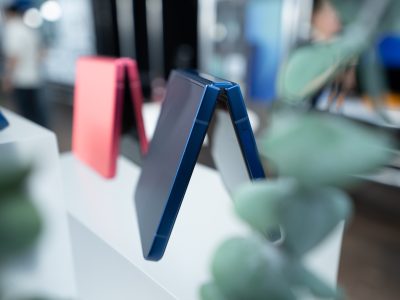
Remember that moment when you slip a foldable phone into your pocket and it feels like you’re carrying a small brick? Samsung apparently does too, and they’re determined to fix it. Early whispers about the Galaxy Z Flip 8 suggest the company’s next flip phone could be its slimmest yet, potentially measuring around 6mm when folded and 12mm unfolded. That’s roughly 10% thinner than the Z Flip 7, which should make it disappear into tight jeans without that awkward bulge we’ve all learned to tolerate.
The Pocket Revolution
Weight’s dropping too, with the Galaxy Z Flip 8 rumored to hit about 170g. Think about that for a second. That’s lighter than most standard smartphones today, despite packing two screens and all the mechanical complexity that comes with a folding design. It’s the kind of engineering achievement that makes you appreciate how far foldable technology has come since those early, chunky prototypes.
Samsung’s also working on reducing the screen crease and boosting durability, addressing two of the biggest complaints about foldable phones in general. The crease has always been that visual reminder that you’re using something different, something that folds. Making it less noticeable isn’t just about aesthetics. It’s about making the technology feel seamless, like it’s not trying to prove it can fold anymore. It just does.
Performance That Doesn’t Compromise
Under the hood, things get really interesting. The Galaxy Z Flip 8 might pack the Exynos 2600 chipset built on 2nm process technology. That’s the same chip expected in the Galaxy S26 series, which tells you Samsung isn’t treating this as some secondary device. They’re putting their flagship silicon in their flagship foldable.
Pair that with 12GB of RAM and you’ve got smooth multitasking without the usual foldable compromises. Storage options should start at 256GB and go up to 512GB for those who need the space. What’s happening here is clear. Samsung wants the Z Flip 8 to compete directly with traditional flagship phones on performance, not just on its folding trick.
Battery Life That Actually Lasts
Battery life gets a meaningful bump to 4,300mAh or higher, which should handle a full day of social media scrolling and video calls without hunting for a charger by dinner time. That’s a smart move considering the Z Flip 7’s battery already improved over previous models. It’s the kind of practical upgrade that matters more in daily use than any spec sheet victory.
Think about your typical day. You’re bouncing between meetings, checking notifications, maybe watching a quick video during lunch. The last thing you want is battery anxiety. With a capacity like this, paired with efficient 2nm silicon, the Z Flip 8 could finally deliver the all-day endurance that makes a foldable feel like a proper daily driver, not a compromise.
Pricing and Competition
Pricing’s expected to stay around $1,100, matching the Z Flip 7’s launch price. That keeps Samsung competitive against Motorola’s Razr lineup while maintaining the premium flip phone experience. Look for a summer 2026 launch, likely July if Samsung sticks to its usual schedule.
What’s fascinating here is watching Samsung refine rather than reinvent. The Z Flip 8 rumors point to a device that’s getting better at what it already does well. Thinner, lighter, more durable, with better battery life. It’s the maturation phase of a product category, where the excitement comes from polish rather than raw novelty.
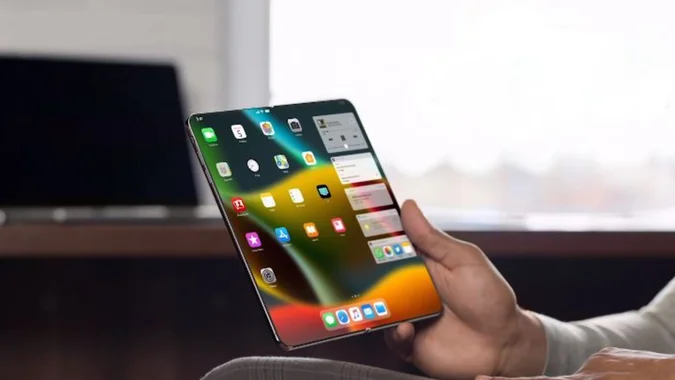
Meanwhile, across the competitive landscape, Apple’s foldable iPhone plans continue to generate buzz, though supply chain whispers suggest availability challenges. Samsung’s consistent yearly cadence gives them a stability advantage in the foldable space, even as new players consider entering the market.
The Bigger Picture
If these rumors pan out, the Galaxy Z Flip 8 could finally deliver the portable flip phone Samsung’s been chasing since the original Z Flip. It’s not about being the first to fold anymore. It’s about folding better than anyone else.
The 2nm Exynos 2600 technology represents a significant leap in efficiency, which matters tremendously in a device with two displays to power. That efficiency translates directly to better battery life and cooler operation, two areas where early foldables sometimes struggled.
What we’re seeing is foldable technology entering its refinement era. The wild experiments are giving way to thoughtful improvements. The Z Flip 8 rumors suggest a device that understands what people actually want from a folding phone. Not just a party trick, but a genuinely better way to carry a large screen in a small pocket.
As we look toward that summer 2026 launch window, it’s worth remembering how far this category has come. From novelty to niche to nearly mainstream. The Z Flip 8 could be the device that completes that journey, offering a folding experience that doesn’t ask you to compromise on thickness, weight, or battery life. It just works, and it works well.