| Metric | Value | Unit | Notes |
|---|---|---|---|
| Display Size & Type | 6.77 | inch | AMOLED panel with curved edges |
| Processor (SoC) | Snapdragon 6 Gen 3 | — | 4nm process, designed for entry-level devices |
| RAM / Storage | 12 / 256 | GB | Recommended configuration for smooth performance |
| Battery Capacity | 5,520 | mAh | Large capacity for all-day endurance |
| Wired Charging | 45 | W | Fast charging support included |
| Main Camera Sensor | 108 | MP | High-resolution primary shooter |
| Ultra-wide Camera | 8 | MP | For wider landscape and group shots |
| Front Camera | 20 | MP | Selfie and video calling camera |
| IP Rating | IP66 | — | Dust tight and water resistant against powerful jets |
| Operating System | Android 15 | — | With Hyper OS 2 skin on top |
Xiaomi’s global expansion strategy just got another interesting chapter. The company has officially launched the Redmi Note 15 in international markets, and honestly, it’s making budget phones look better than ever. If you’ve been tracking Xiaomi’s pattern of releasing solid devices across different price points, this latest addition shouldn’t surprise you. But what might surprise you is how much phone you get for what you pay.
The Redmi Note 15 sits at the entry point of the new Note 15 series, with the more premium Note 15 Pro+ handling flagship duties. What’s fascinating here is how Xiaomi manages to trickle down design language and features that feel anything but entry-level.
Design That Belies Its Price Tag
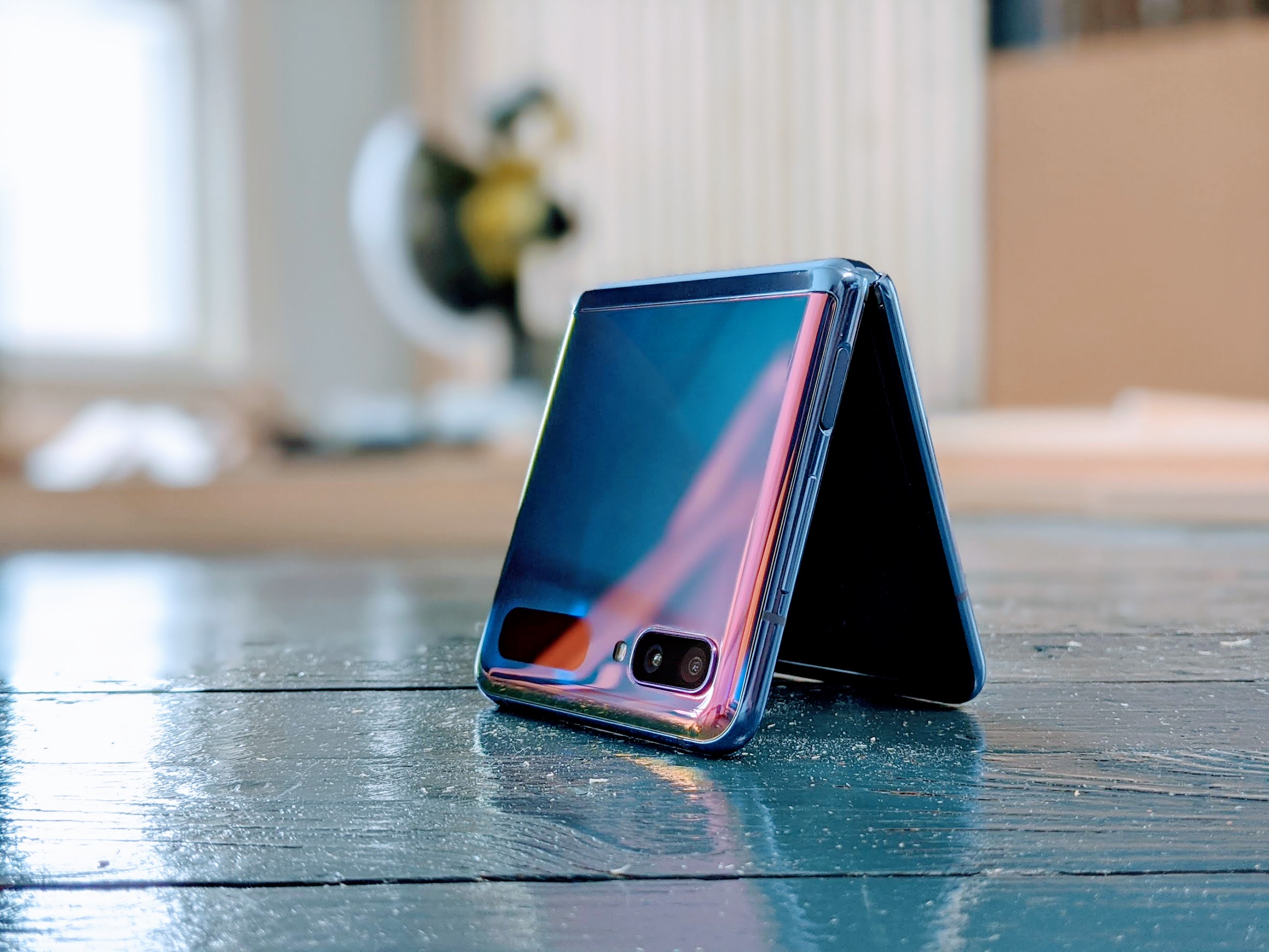
Pick up the Redmi Note 15, and your first impression won’t scream “budget phone.” Xiaomi has carried over the curved display and rear panel design from last year’s Note 14 Pro, complete with that distinctive camera island that gives the device some visual character. The curves aren’t just for show, either. They make the phone feel surprisingly premium in hand, with edges that melt into your palm during extended use.
The plastic chassis might sound like a compromise, but here’s the thing. It’s been engineered to achieve an IP66 rating, which means you get dust tight protection and resistance against powerful water jets. For a phone at this price point, that’s not just impressive, it’s practically unheard of. You can take this thing out in the rain or to the beach without that constant low-grade anxiety about accidental splashes.
Display Quality That Keeps Up
That 6.77-inch AMOLED screen is where the Redmi Note 15 starts to feel like it’s punching above its weight class. AMOLED technology at this price point means you get true blacks, vibrant colors, and excellent contrast ratios. The curved edges aren’t just aesthetic, they reduce the visual bezels and make content feel more immersive.
Here’s a practical note from someone who’s used plenty of budget phones. The difference between a good LCD and a proper AMOLED panel is most noticeable in everyday scenarios. Reading articles in dark mode, watching videos with dark scenes, or just checking notifications in a dimly lit room. The Redmi Note 15’s display handles all these situations with a polish that typically costs hundreds more.
Performance That Understands Its Role
Let’s talk about the Snapdragon 6 Gen 3 chip. Qualcomm designed this processor specifically for the entry-level segment, and that’s important context. It’s not trying to be a flagship killer. Instead, it’s optimized for efficiency and reliable daily performance. The 4nm manufacturing process helps with battery life, and the Adreno GPU handles casual gaming and media consumption without breaking a sweat.
Now, about that 12GB RAM recommendation. In today’s multitasking-heavy world, having ample RAM isn’t a luxury, it’s a necessity for smooth operation. Apps stay in memory longer, switching between tasks feels instantaneous, and you avoid those frustrating reloads when jumping between your browser, messaging apps, and social media. If you’re considering the Redmi Note 15, the 12GB variant is worth the slight premium for that consistently smooth experience.
Camera System With Surprising Depth
A 108MP main camera sounds like marketing speak until you understand what it actually means for your photos. This isn’t just about megapixel count. The sensor uses pixel-binning technology, combining multiple pixels into one larger virtual pixel. The result? Better light capture, reduced noise in low-light situations, and more detail in your shots than you’d expect from a budget device.
The 8MP ultra-wide gives you flexibility for landscapes and group shots, while the 20MP front camera handles selfies and video calls with more than enough resolution for social media sharing. It’s a balanced system that covers the bases most people actually use, rather than padding the spec sheet with unnecessary depth sensors or macro cameras that rarely get used.
Picture this scenario. You’re at a family gathering, the lighting is mediocre, but you want to capture the moment. The Redmi Note 15’s camera system, particularly that 108MP main sensor, gives you a fighting chance at getting usable, shareable photos without having to fiddle with manual settings or post-processing apps.
Battery Life That Actually Lasts
Here’s where the Redmi Note 15 might just win over practical buyers. The 5,520mAh battery capacity isn’t just a number on a spec sheet. It translates to real-world endurance that gets most users through a full day with plenty to spare. We’re talking about the kind of battery life where you don’t need to carry a power bank for your daily commute.
The 45W charging support means you can top up quickly when you do need it. From an industry perspective, this combination of large capacity and decent charging speed at this price point shows how battery technology and charging standards have matured. What was once premium-tier technology is now accessible in budget segments, and that’s a win for everyone.
Software That Stays Current
Android 15 with Hyper OS 2 might not sound exciting until you consider the update landscape for budget phones. Many devices in this segment launch with older software and uncertain update promises. The Redmi Note 15 launching with the latest Android version signals Xiaomi’s commitment to keeping even its entry-level devices current.
Hyper OS 2 brings Xiaomi’s latest interface improvements and system optimizations. From a user experience standpoint, this means smoother animations, better memory management, and features that trickle down from Xiaomi’s more expensive devices. It’s part of what makes the Redmi Note 15 feel more premium than its price suggests.
The Value Proposition
Stepping back and looking at the complete package, the Redmi Note 15 represents something important in today’s smartphone market. It’s proof that budget doesn’t have to mean compromised. The IP66 rating, AMOLED display, 108MP camera, and large battery with fast charging create a cohesive experience that addresses real user needs rather than just checking boxes on a spec sheet.
From a supply chain perspective, what’s interesting is how components that were once exclusive to mid-range and flagship devices have become affordable enough for budget segments. AMOLED panels from suppliers like Samsung and BOE, camera sensors that leverage computational photography advancements, and battery cells with higher energy densities. All these advancements trickle down, and devices like the Redmi Note 15 benefit.
If you’re in the market for a phone that delivers where it matters without breaking the bank, the Redmi Note 15 deserves your attention. It understands that most people don’t need bleeding-edge performance. They need reliability, good cameras for memories, a screen that’s easy on the eyes, and battery life that doesn’t leave them stranded. On all these fronts, the Redmi Note 15 delivers in a way that makes you forget its budget origins.
The global availability of devices like this shifts expectations for what budget phones can offer. When you can get IP-rated durability, an AMOLED display, and a capable camera system at an accessible price point, it raises the bar for everyone. Competitors will need to respond, and ultimately, that means better options for consumers across all price segments.
Xiaomi’s strategy with the Redmi Note 15 isn’t just about selling another phone. It’s about demonstrating that thoughtful engineering and component selection can create a device that feels premium where it counts, even at entry-level prices. In a market where phone prices keep climbing, that’s a refreshing approach that deserves recognition.