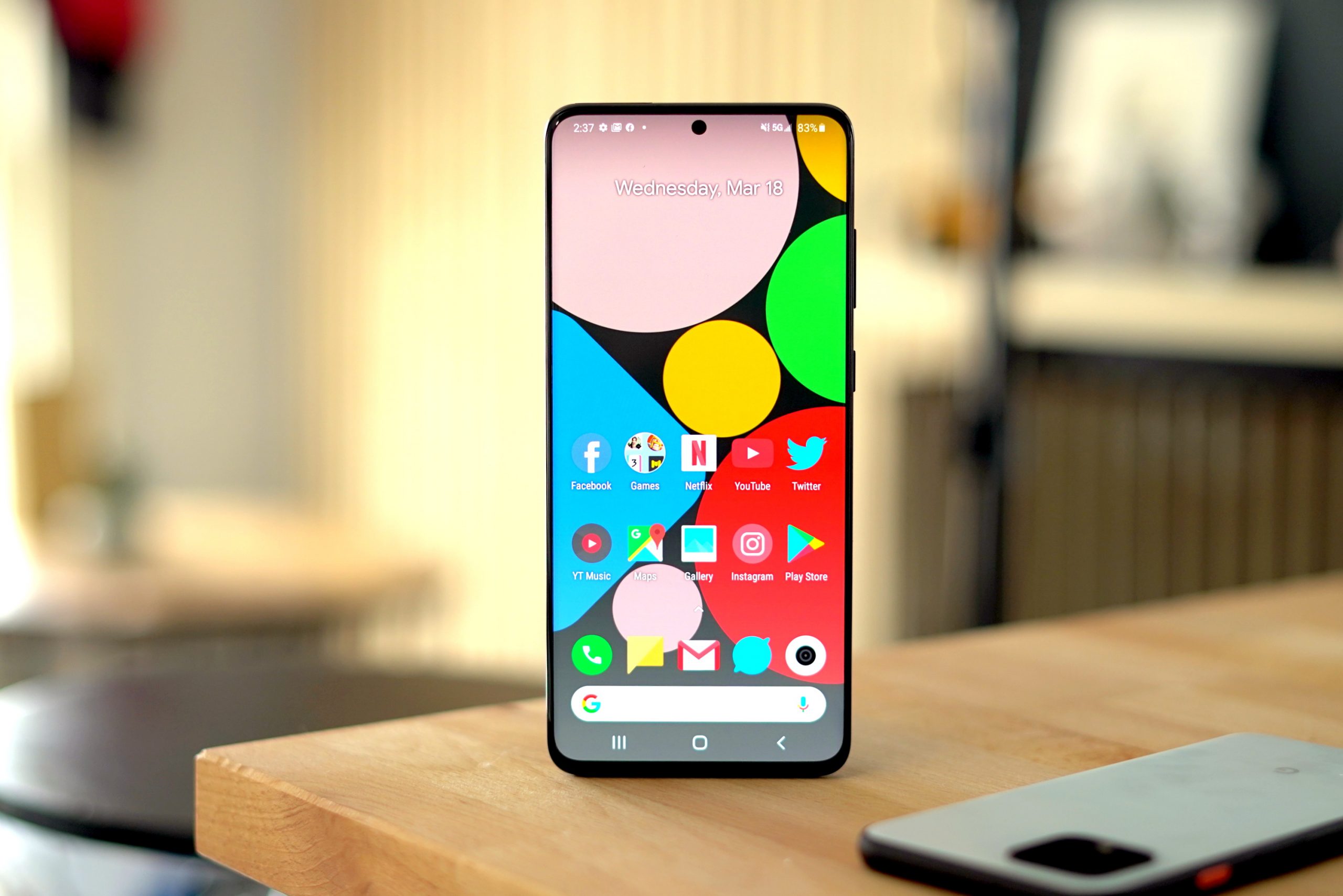
Xiaomi just dropped another global contender into the budget smartphone arena, and this one might make you rethink what affordable really means. The Redmi Note 15 has officially begun its worldwide rollout, slotting in as the entry point to Xiaomi’s latest Note 15 series while the more premium Redmi Note 15 Pro Plus handles flagship duties. If you’ve been tracking Xiaomi’s pattern of bringing surprisingly capable hardware to accessible price points, this latest move won’t surprise you. But what might catch you off guard is just how much phone you get for what you pay.
| Metric | Value | Unit | Notes |
|---|---|---|---|
| Display Size & Type | 6.77 | inch | AMOLED panel with curved edges |
| Protection Rating | IP66 | — | Dust tight; protected against powerful water jets |
| Processor (SoC) | Snapdragon 6 Gen 3 | — | 4nm process; designed for efficient mid-range performance |
| RAM Configuration | Up to 12 | GB | Recommended for best multitasking experience |
| Main Camera | 108 | MP | Primary sensor with pixel-binning technology |
| Ultra-wide Camera | 8 | MP | For wider landscape and group shots |
| Front Camera | 20 | MP | Selfie and video calling camera |
| Battery Capacity | 5,520 | mAh | Large capacity for extended daily use |
| Wired Charging | 45 | W | Fast charging support with included adapter |
| Operating System | Android 15 | — | With Xiaomi’s Hyper OS 2 interface layer |
Design That Belies Its Price
Pick up the Redmi Note 15 and your first thought probably won’t be “budget phone.” Xiaomi has carried over the design language from last year’s Note 14 Pro, and that’s a good thing. The curved display flows seamlessly into a similarly curved rear panel, creating a cohesive feel that expensive phones have trained us to expect. That large camera island on the back? It gives the device a purposeful, modern look rather than appearing as an afterthought.
The plastic chassis feels solid in hand, with no creaks or flex that sometimes plague cheaper builds. What really impresses is that IP66 rating. You’re getting dust protection and resistance against powerful water jets at a price point where many competitors skip proper ingress protection entirely. It’s the kind of practical durability that makes this phone feel like it can handle real life, not just sit carefully on a desk.
That AMOLED Display Experience
Here’s where the Redmi Note 15 starts separating itself from the budget pack. That 6.77-inch AMOLED panel isn’t just checking a spec sheet box. AMOLED means true blacks, vibrant colors, and excellent contrast ratios. Scroll through your social feed or watch a video, and everything pops with that signature OLED richness.
The curved edges aren’t just for show either. They make swiping gestures feel natural, your thumb gliding off the screen’s edge rather than hitting a sharp bezel. It’s a small detail that adds up to a more premium daily interaction. For a device positioned at the “bottom” of its series, this display quality would have been flagship material just a couple of years ago.
Performance: Snapdragon 6 Gen 3 Explained
Let’s talk about the Snapdragon 6 Gen 3, because this chip deserves some context. Qualcomm designs its 6-series processors for what they call “high-tier mainstream” devices. Translation? Phones that need to handle everyday tasks smoothly without breaking the bank on components.
The 4nm manufacturing process is key here. Smaller transistors mean better power efficiency, which translates directly to battery life. You’re getting capable performance for social media, messaging, streaming, and light gaming, all while sipping power rather than guzzling it. This is where Xiaomi’s global expansion strategy shows its cleverness. They’re using a processor that delivers exactly what most users need, not overengineering for specs that go unused.
Our strong recommendation? Spring for the 12GB RAM version if it’s within your budget. That extra memory headroom means smoother multitasking today and better longevity tomorrow as apps continue to demand more resources.
Camera System: More Than Megapixels
On paper, that 108MP main camera sounds impressive. In practice, what matters is how Xiaomi’s software handles all those pixels. Modern smartphone cameras use a technique called pixel-binning, combining multiple small pixels into larger, more light-sensitive virtual pixels. The result? Better low-light performance and more detailed shots than the megapixel count alone would suggest.
Picture this. You’re at a dimly lit restaurant with friends. Instead of reaching for your flash and washing out the atmosphere, the Note 15’s camera system uses computational photography to pull in available light, preserving the mood while still capturing clear faces and details. The 8MP ultra-wide gives you flexibility for landscapes or group shots, while the 20MP front camera handles selfies and video calls with more than enough resolution for social sharing.
Battery Life That Lasts
That 5,520mAh battery capacity in the table above isn’t just a number. It’s peace of mind. In real world use, this translates to a phone that gets through a full day of moderate to heavy use with plenty to spare. You won’t be hunting for outlets at 3 PM or anxiously watching percentages drop during your commute home.
The 45W charging might not match the insane 100W+ speeds of some flagships, but here’s the practical reality. Plug in while you shower and get dressed in the morning, and you’ve added enough juice for several more hours of use. It’s fast enough to be convenient without requiring proprietary chargers that lock you into a single ecosystem.
Software: Android 15 Meets Hyper OS 2
Launching with Android 15 puts the Redmi Note 15 on the latest version of Google’s mobile operating system. That means you’re getting current security patches, privacy features, and performance optimizations from day one. Xiaomi layers its Hyper OS 2 interface on top, which brings some useful customization options and system-level tweaks.
The combination works well for daily use. Everything feels responsive, animations are smooth, and you get that clean Android experience with just enough Xiaomi-added functionality to be helpful rather than intrusive. It’s a balanced approach that respects both Google’s vision and Xiaomi’s identity.
The Global Value Proposition
What makes the Redmi Note 15’s global market arrival particularly interesting is timing. We’re seeing increased competition in the mid-range space, with devices like the OnePlus 15R pushing what affordable phones can deliver. Xiaomi’s response isn’t to compete on raw specs alone, but to offer a complete package where the whole feels greater than the sum of its parts.
The curved AMOLED display, IP66 rating, capable camera system, and large battery create a user experience that consistently feels a tier above its price positioning. It’s the kind of device that makes you wonder why anyone would spend twice as much for incremental improvements they might not even notice in daily use.
For consumers watching their budgets but unwilling to compromise on quality, the Redmi Note 15 represents that sweet spot. It delivers where it matters most. The screen looks great, the battery lasts, the performance handles everyday tasks without frustration, and the build quality inspires confidence rather than concern. In a market crowded with compromises, Xiaomi has managed to create a phone that feels surprisingly complete.
As Xiaomi continues its global push, devices like the Redmi Note 15 demonstrate why the company has found such success. They understand that most people don’t need the absolute fastest processor or the most megapixels. They need a reliable, well-rounded device that works well day after day, year after year. On that measure, the Redmi Note 15 appears ready to deliver.