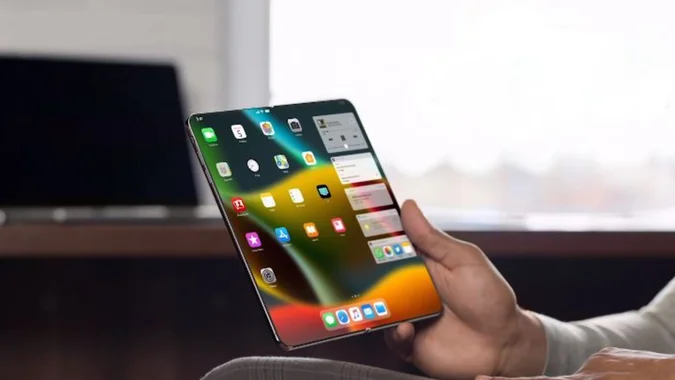
The tech world has been buzzing about Apple’s first foldable iPhone for years, and that anticipation is about to hit a serious reality check. According to analyst Ming-Chi Kuo, while Apple plans to unveil its foldable iPhone in late 2026, actually getting your hands on one might feel like winning the lottery well into 2027. The company faces production challenges that could make this device more of a halo product than a mainstream option in its first year.
The Timeline That Tests Patience
Apple’s foldable iPhone is reportedly on track for a fall 2026 announcement, sticking to the company’s traditional launch window. But here’s the catch, smooth shipments and readily available stock won’t materialize until 2027. Kuo warns that constrained supply will likely persist through at least the end of 2026, with Apple gradually ramping up production as manufacturing yields improve. This isn’t just a minor delay, it’s a fundamental challenge in scaling foldable technology to Apple’s typical volumes.
If you’re thinking about upgrading to Apple’s first foldable, you might want to prepare for weeks or even months of waiting, especially if you’re after specific storage configurations or color options. The initial production run will be conservative, and demand is expected to far outstrip supply. This supply crunch could turn the launch into more of a status symbol moment than a practical upgrade for most consumers.
Why Foldables Are Manufacturing Nightmares
Building a foldable phone isn’t like assembling a traditional slab smartphone. The engineering complexity jumps exponentially when you add moving parts and flexible displays. Three key components create most of the headaches, the hinge mechanism, ultra-thin glass layers, and the flexible OLED display itself.
Apple’s hinge design is reportedly still being finalized, which adds risk to the production timeline. Hinges in foldables need to survive hundreds of thousands of folds while maintaining perfect alignment between display halves. Then there’s the display, flexible OLED panels are incredibly delicate during assembly, with higher defect rates than rigid screens. The ultra-thin glass layer that protects the display adds another layer of complexity, it needs to be flexible enough to fold but durable enough to resist scratches and impacts.
Early production yields for these components tend to be low, meaning factories discard more units than they keep. As assembly lines gain experience and processes are refined, yields gradually improve. But that learning curve takes time, and Apple won’t risk shipping devices that don’t meet its notoriously high quality standards.
What This Means for Your Upgrade Plans
For consumers, this supply situation creates a classic dilemma. Do you wait patiently for Apple’s foldable, knowing you might not get one until 2027, or do you explore alternatives in the meantime? The constrained availability combined with what will likely be an ultra-premium price tag means this first-generation foldable iPhone will function more as a tech status symbol than a practical daily driver for most people.
Some users might simply skip this first model entirely, especially if rumors about the second generation point to better durability or wider availability. Waiting for version two could mean getting a more refined product without the launch-year headaches. In the broader phone market, this creates interesting opportunities for competitors. While everyone watches budget phones get increasingly capable, the high-end foldable segment faces this unique supply constraint.
Samsung’s Unexpected Advantage
Apple’s supply challenges could give Samsung’s Galaxy Z Fold series, Google’s Pixel Fold, and other Android foldables extra breathing room in the market. Samsung has been refining its foldable technology for years, and its upcoming Galaxy Z Flip 8 is rumored to be its thinnest and most refined model yet. With Apple’s foldable facing availability issues, Samsung might retain more of its market share among early adopters who don’t want to wait.
That said, Apple’s entry will instantly legitimize the foldable category for mainstream buyers. Once Apple is in the game, the entire market shifts. But in these early years, supply constraints mean Apple’s impact will be more symbolic than numerical. Kuo’s forecasts suggest the foldable iPhone might sell in the teens of millions by 2027, which represents a gradual climb from limited early supply to true mass-market volumes.
The Long Game for Foldable Technology
Looking beyond the immediate supply challenges, Apple’s entry into the foldable space signals where smartphone innovation is heading. The company’s meticulous approach to engineering and manufacturing means its first foldable will likely set new standards for build quality and user experience. But that perfectionism comes at the cost of availability in the short term.
For the supply chain, this launch represents a massive learning opportunity. The factories that master foldable production for Apple will gain expertise that trickles down to the entire industry. Component suppliers working on hinges, flexible displays, and ultra-thin glass will push the boundaries of what’s possible in mobile device manufacturing.
If you’re excited about foldable technology but practical about your purchasing decisions, 2027 might be the year to circle on your calendar. That’s when Apple’s production should hit its stride, when second-generation improvements might be announced, and when foldable phones could finally transition from niche novelty to mainstream option. Until then, the journey to a foldable future continues, one carefully manufactured hinge at a time.