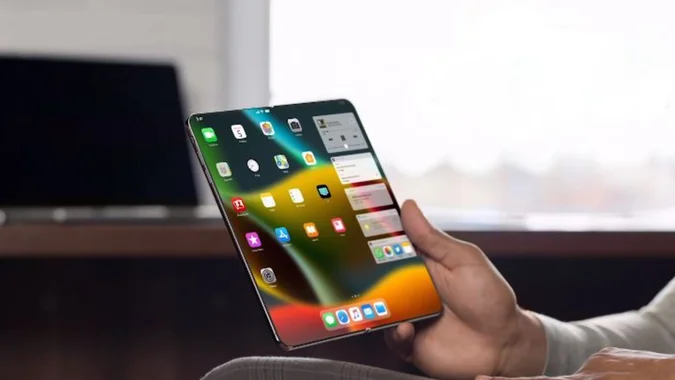
If you’ve been dreaming of an iPhone that folds neatly into your pocket, you might want to prepare for a serious wait. According to industry analyst Ming-Chi Kuo, Apple’s inaugural foldable iPhone is on track for a late 2026 announcement, but actually getting your hands on one could feel like winning the lottery well into 2027.
Picture this: It’s fall 2026, and Tim Cook takes the stage to unveil Apple’s most ambitious smartphone yet. The crowd goes wild. Pre-orders open. And then… crickets. Not because people don’t want it, but because there simply aren’t enough units to go around. Kuo’s latest analysis suggests that even if Apple sticks to its announcement timeline, production challenges will keep the device frustratingly scarce for at least its first year on the market.
Why Foldables Are Manufacturing Nightmares
Let’s talk about why building a foldable phone is exponentially harder than crafting a traditional slab smartphone. It’s not just about bending a screen in half. The engineering challenges start with the hinge mechanism, a complex assembly of hundreds of tiny components that must survive tens of thousands of folds without developing that dreaded crease in the display.
Then there’s the ultra-thin glass. Unlike the flexible plastic screens on early foldables, modern foldable displays use specially engineered glass that’s thin enough to bend but durable enough to resist scratches. Getting the yield rates right on these components is notoriously difficult during early production runs. Apple is reportedly still finalizing certain hardware elements, including that all-important hinge mechanism, which adds another layer of uncertainty to the production timeline.
Think about it this way: Where a traditional iPhone might have a defect rate of 1-2% during early production, foldable displays and hinges can see failure rates five to ten times higher. That means for every hundred screens Apple manufactures, only eighty or ninety might pass quality control. When you’re talking about millions of units, those numbers add up to serious supply constraints.
The Consumer Reality: Prepare for Waitlists and Disappointment
So what does this mean for you, the potential buyer? If history is any guide, launch-day stock will evaporate within minutes. We’re talking weeks or months of waiting, especially if you’re hoping for specific storage configurations or color options. Smaller markets might see particularly limited allocations, forcing enthusiasts to resort to importers and premium markups.
Kuo predicts the foldable iPhone will eventually reach “teens of millions” in sales by 2027, but that’s a gradual climb from what will likely be extremely conservative initial production volumes. In its first year, this device won’t be a mass-market product. It’ll function more like a halo device, a technological statement piece that generates buzz while remaining frustratingly out of reach for most Apple fans.
The likely ultra-premium price tag won’t help either. Expect this first-generation foldable iPhone to carry a significant premium over even the most expensive current iPhone models, potentially putting it in the $1,500 to $2,000 range. Combined with limited availability, that creates a perfect storm of exclusivity and frustration.
Silver Lining for Samsung and Android Foldables
Here’s an interesting twist: Apple’s supply struggles could actually benefit its competitors. Samsung’s Galaxy Z Fold series, along with foldables from Google, Motorola, and other Android manufacturers, will likely enjoy an extended period of market dominance in the foldable space. While Apple’s entry will undoubtedly legitimize the category for mainstream consumers, those consumers might have to settle for Android alternatives if they want a foldable phone before 2027.
From a supply chain perspective, this situation reveals just how challenging foldable manufacturing remains, even for a company with Apple’s resources and supplier relationships. The company has reportedly been working on foldable technology for years, with numerous prototypes and internal testing, but translating that R&D into mass production at Apple’s expected quality levels is proving to be a formidable challenge.
Practical Advice for Would-Be Buyers
If you’re absolutely determined to be an early adopter, start saving now and prepare for battle when pre-orders open. Consider setting up alerts with multiple retailers, and be ready to act within seconds of availability. Realistically though, many tech enthusiasts might be better served waiting for the second-generation model.
By 2027 or 2028, Apple will have worked through its initial production challenges, yields will have improved, and the company will likely have addressed any first-generation durability concerns. The supply crunch should ease, making the device more accessible and potentially more affordable.
Sometimes the smartest move in technology is practicing patience. As exciting as Apple’s first foldable iPhone will be, the version you can actually buy without months of waiting might be worth that extra year of anticipation.