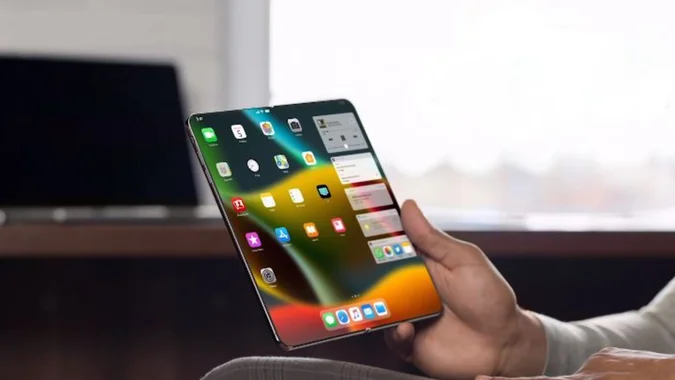
Picture this. It’s fall 2026, and Apple finally unveils its first foldable iPhone after years of speculation. The tech world erupts with excitement. Videos of that seamless hinge action flood social media. Everyone wants to experience that satisfying snap when the device closes, that expansive screen that transforms from pocketable to tablet sized. But here’s the harsh reality you need to prepare for. Actually getting your hands on one might feel like chasing a mirage well into 2027.
According to analyst Ming Chi Kuo, Apple’s foldable iPhone remains on track for a late 2026 announcement. The company will likely stick to its traditional fall launch window. However, don’t expect to walk into a store and buy one anytime soon after the reveal. Kuo warns that what he calls “smooth shipments” won’t happen until 2027 at the earliest. This isn’t just typical Apple launch scarcity. We’re talking about a fundamental serious supply constraints that could stretch through the entire first year of availability.
Why Foldable Manufacturing Is a Different Beast
If you’ve ever held a modern foldable phone, you know the engineering feels magical. That seamless transition from phone to small tablet happens in one fluid motion. But creating that magic on an assembly line is where the real challenge begins. Regular slab smartphones are complex enough. Foldables add multiple layers of difficulty that directly impact production yields.
Start with the hinge mechanism. Apple is reportedly still finalizing its design, which tells you everything about the complexity involved. A great foldable hinge needs to feel solid through tens of thousands of openings and closings. It must support the display without creating visible stress points. And it has to do all this while maintaining that satisfying tactile feedback Apple users expect.
Then there’s the display itself. Unlike traditional glass, foldable screens use ultra thin glass layers with specialized polymer coatings. These materials are incredibly delicate during manufacturing. A single speck of dust, a minor alignment issue, or even subtle temperature variations can ruin an entire panel. Early production runs typically suffer from low yields, meaning many displays get rejected before they ever reach assembly.
This isn’t just speculation. It’s the reality of bringing any first generation foldable to market. Apple’s legendary focus on quality control means they’ll be even more conservative than most. If a hinge doesn’t meet their exacting standards, or a display shows the slightest imperfection, that unit won’t ship. This cautious approach, while great for long term reliability, severely limits how many devices they can produce initially.
What This Means for Your Buying Experience
Imagine launch day arrives. You’ve been refreshing Apple’s website since midnight. The moment pre orders go live, you click through as fast as humanly possible. Instead of getting a delivery date next week, you’re looking at a shipping estimate that says “6 to 8 weeks.” For some configurations, especially premium storage tiers or specific colors, that wait could stretch to months.
This scenario isn’t just possible. It’s highly likely based on current projections. Kuo’s analysis suggests the foldable iPhone might only reach “teens of millions” in sales by 2027. That sounds like a lot until you consider Apple typically sells tens of millions of new iPhones in their first quarter alone. The gap between demand and supply will be substantial.
Smaller markets and specific regions might face even longer waits. If you’re hoping for a particular storage configuration or color, prepare for disappointment. Apple will likely prioritize certain models and markets where they can guarantee better support and logistics. This genuine production challenge means many eager buyers will simply have to wait their turn.
Then there’s the price. First generation technology, especially from Apple, never comes cheap. Combine that with constrained supply, and you’re looking at what could be the most expensive iPhone ever made. For many enthusiasts, the combination of ultra premium pricing and limited availability will make this device more of a statement piece than a practical daily driver.
The Ripple Effect Across the Smartphone Market
Apple’s entry into the foldable space will instantly legitimize the category for mainstream consumers. People who previously dismissed foldables as gimmicky or fragile will suddenly see them as viable options. But here’s the interesting twist. Apple’s supply constraints might actually benefit competitors in the short term.
Samsung’s Galaxy Z Fold series, Google’s Pixel Fold, and other Android foldables could enjoy extended market relevance. Consumers who want a foldable experience now, rather than waiting potentially months for Apple’s version, might opt for established alternatives. These companies have been refining their foldable designs for years, working through many of the production challenges Apple is now facing.
In its first year, Apple’s foldable iPhone will function more as a halo product and tech status symbol than a mass market device. You’ll see influencers and early adopters showing them off, but actual ownership will remain limited. This creates an interesting dynamic where Apple sets the aspirational standard while competitors continue serving practical demand.
Should You Wait or Look Elsewhere?
If you’re absolutely committed to having an Apple foldable, prepare for a potentially frustrating experience. Set realistic expectations about availability and pricing. Consider whether you’re willing to wait months after launch, possibly paying a significant premium for the privilege.
For many practical buyers, skipping this first generation might be the smartest move. Second generation devices typically address early production issues, improve durability, and often come with better availability. By waiting for the inevitable follow up model, you could get a more refined product without the launch day headaches.
The timeline suggests supply normalizes in 2027 or later. By then, Apple’s manufacturing partners will have gained valuable experience. Production yields should improve as they work through the learning curve of assembling these complex devices. The company will gradually ramp up volumes as confidence in their processes grows.
In the meantime, the foldable market continues evolving. Competing devices get better with each generation. Display technology improves, hinges become more reliable, and software optimization makes the experience smoother. By the time Apple’s foldable becomes readily available, the entire category will have advanced even further.
The arrival of Apple’s first foldable iPhone represents a milestone for mobile technology. It brings Apple’s design sensibility and ecosystem integration to a form factor that’s been slowly gaining traction. But the journey from announcement to actually owning one might test even the most patient Apple fan. Understanding these production realities helps set realistic expectations. Sometimes the most exciting technology requires the most patience to actually experience.