| Metric | Value | Unit | Notes |
|---|---|---|---|
| Weight | 170 | g | Lighter than most standard smartphones |
| Thickness (Folded) | 12 | mm | Samsung’s thinnest foldable yet |
| Thickness (Unfolded) | 6 | mm | Approximately 10% thinner than Z Flip 7 |
| Processor (SoC) | Exynos 2600 | — | 2nm process technology |
| RAM / Storage | 12 / 256-512 | GB | Smooth multitasking, ample storage options |
| Battery Capacity | 4,300 | mAh | Meaningful bump from previous models |
| Launch Price | $1,100 | USD | Matching Z Flip 7’s launch price |
| Expected Launch | Summer 2026 | — | Likely July, following Samsung’s usual schedule |
Remember that awkward bulge in your pocket from early foldables? The ones that felt like carrying a folded brick? Samsung apparently does, and they’re determined to fix it. Early whispers about the Galaxy Z Flip 8 suggest the company’s next flip phone might finally nail the pocket-friendly experience they’ve been chasing since the original Z Flip.
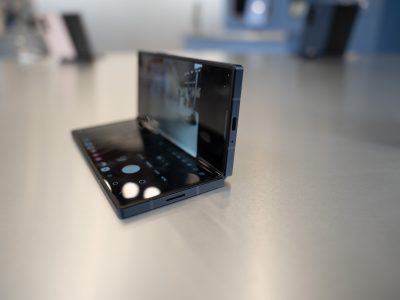
If the rumors hold true, we’re looking at Samsung’s thinnest foldable yet, with dimensions that could redefine what a portable flip phone feels like in daily use. The numbers in the table above tell part of the story, but the real magic happens when you imagine slipping this thing into your jeans without that telltale rectangular outline.
The Pocket Revolution
Let’s talk about that thickness. At roughly 12mm when folded and 6mm unfolded, the Z Flip 8 represents about a 10% reduction compared to its predecessor. That might not sound like much on paper, but in your hand and pocket, it’s the difference between “noticeable” and “barely there.” Combine that with a rumored weight of around 170 grams, and you’ve got a device that’s actually lighter than most standard smartphones, despite packing two screens and a hinge mechanism.
Samsung isn’t just chasing thinness for its own sake. They’re reportedly working on reducing the visible screen crease that’s been a hallmark of foldables since day one. More importantly, they’re focusing on durability improvements that address two of the biggest complaints people have about folding phones. Imagine being able to flip open your phone thousands of times without worrying about the hinge feeling loose or the screen developing permanent damage along the fold line. That’s the promise here.
These refinements to Samsung’s foldable formula could finally deliver the seamless experience early adopters have been waiting for.
Performance That Doesn’t Compromise
Under the hood, things get even more interesting. The Galaxy Z Flip 8 might pack Samsung’s upcoming Exynos 2600 chipset, built on an advanced 2nm process technology. This is the same silicon expected to power the Galaxy S26 series, which means you’re getting flagship-level performance in a flip form factor. No more settling for mid-tier chips or worrying about whether your foldable can keep up with demanding apps.
Pair that Exynos 2600 with 12GB of RAM, and you’ve got smooth multitasking without the usual foldable compromises. Storage options should start at 256GB and go up to 512GB for those who need the space for photos, videos, and apps. It’s a spec sheet that reads like a traditional flagship, which is exactly what foldables need to become mainstream.
Think about your daily routine. You’re scrolling through social media, jumping between video calls, maybe editing a quick photo or two. With this hardware, those tasks won’t feel any different than they would on a premium slab phone. The folding mechanism becomes a feature, not a limitation.
Battery Life That Actually Lasts
Here’s where things get practical. The rumored 4,300mAh battery (or possibly higher) represents a meaningful bump from previous models. In real-world terms, that should translate to a full day of use without hunting for a charger by dinner time. We’re talking about handling your social media scrolling, video calls, navigation, and everything else without that low-battery anxiety creeping in around 4 PM.
This is a smart move by Samsung, especially considering the Z Flip 7’s battery already showed improvements over earlier models. They’re building on that momentum rather than resting on their laurels. Picture this: you leave home in the morning with 100% charge, use your phone normally throughout the day, and still have enough juice left for your evening commute and some late-night browsing. That’s the kind of reliability that turns a novelty into a daily driver.
Pricing and the Competitive Landscape
At around $1,100, the Z Flip 8 would match its predecessor’s launch price. This keeps Samsung competitive against Motorola’s Razr lineup while maintaining that premium flip phone experience. It’s a delicate balance—charge too much, and you price out potential converts; charge too little, and you risk compromising on materials or features.
The timing is interesting too. With a foldable iPhone still facing production challenges that could keep it elusive until 2027, Samsung has a clear runway to refine their formula and capture the market. Look for a summer 2026 launch, likely in July if Samsung sticks to its usual schedule.
What does this mean for you as a potential buyer? If these rumors pan out, the Galaxy Z Flip 8 could represent the moment when flip phones stop being compromises and start being genuine alternatives to traditional smartphones. The thinness, weight reduction, improved durability, and flagship performance all point toward a device that doesn’t ask you to sacrifice anything for the folding form factor.
It’s about more than just specs on a page. It’s about that satisfying snap when you close the phone after a call. It’s about the pocket space you reclaim. It’s about the glances you get when you unfold a full-sized screen from something that moments ago looked like a compact accessory. Samsung seems to understand that now, and if they deliver on these early promises, the Z Flip 8 might finally be the portable flip phone they’ve been chasing since the beginning.