| Metric | Value | Unit | Notes |
|---|---|---|---|
| Folded Thickness | 12 | mm | Rumored measurement when closed |
| Unfolded Thickness | 6 | mm | Estimated thickness when open |
| Weight | 170 | g | Lighter than most slab smartphones |
| Processor (SoC) | Exynos 2600 | — | 2nm process technology |
| RAM / Storage | 12 / 256-512 | GB | Base model starts at 256GB |
| Battery Capacity | 4,300 | mAh | Or higher, per early rumors |
| Launch Price | $1,100 | USD | Expected to match Z Flip 7 pricing |
| Expected Launch | Summer 2026 | — | Likely July based on Samsung’s schedule |
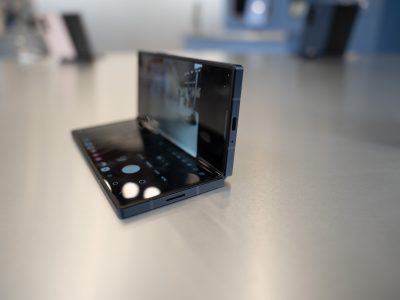
Remember that awkward bulge in your jeans pocket from early foldables? Samsung apparently does too, and they’re determined to make you forget it ever existed. Fresh rumors about the Galaxy Z Flip 8 suggest the company is going all in on slimming down its flip phone formula, potentially delivering the thinnest, most pocket friendly foldable we’ve seen yet.
Picture this: you’re sliding your phone into those fitted jeans that never seemed to work with previous foldables. Instead of that brick like feeling, there’s just a slim, comfortable presence. That’s the experience Samsung seems to be chasing with the Z Flip 8, and if these early whispers hold true, they might just nail it.
The Pocket Friendly Revolution
Let’s talk about those dimensions you see in the table above. A folded thickness around 12mm might not sound revolutionary until you realize it represents roughly a 10 percent reduction from the Z Flip 7. That difference matters when you’re talking about daily carry comfort. Unfolded, we’re looking at an impressively slim 6mm profile that should make the device feel more like a premium slab phone in your hand.
The weight drop to about 170 grams is equally significant. For context, that’s lighter than most standard smartphones today, despite the Z Flip 8 packing two displays and a hinge mechanism. Samsung’s engineers appear to have been busy with material science and structural optimizations, addressing what has been one of the most common complaints about foldables since their inception.
Beyond just thinness, Samsung is reportedly tackling the other major pain points that have held foldables back. The screen crease that’s been a visual and tactile reminder of the technology’s compromises? Expect it to be significantly reduced. Durability improvements are also in the works, which makes sense given how other manufacturers are struggling with foldable production challenges that Samsung has largely mastered through years of iteration.
Performance That Doesn’t Fold Under Pressure
Under the hood, things get even more interesting. The Galaxy Z Flip 8 might debut Samsung’s Exynos 2600 chipset, built on an advanced 2nm process technology. This is the same silicon expected to power the Galaxy S26 series, which tells you everything about the performance targets Samsung has in mind. Pair that flagship processor with 12GB of RAM, and you’ve got a foldable that should handle multitasking and demanding applications without the thermal or performance compromises we’ve sometimes seen in previous generations.
Storage options are rumored to start at 256GB and go up to 512GB, which feels appropriate for a device that’s increasingly becoming people’s primary camera, entertainment center, and productivity tool. The days of foldables making storage sacrifices are apparently over.
What really catches my attention here is the battery story. A bump to 4,300mAh or higher represents meaningful progress in an area where foldables have traditionally lagged. Think about your daily routine: social media scrolling during your commute, video calls through the workday, navigation to that dinner spot, and maybe some mobile gaming to unwind. The Z Flip 8’s rumored battery capacity suggests it should handle that full day without sending you hunting for a charger by evening.
The Practical Flip Phone Experience
Here’s where these technical improvements translate to real world benefits. That thinner, lighter design means you’re more likely to actually carry the Z Flip 8 everywhere, which is the whole point of a compact foldable. The improved battery means you won’t be nervously watching percentage drops during important moments. And the reduced screen crease? That’s about removing the constant visual reminder that you’re using a compromise device.
Pricing is expected to stay around $1,100, matching the Z Flip 7’s launch price. This positioning keeps Samsung competitive against Motorola’s Razr lineup while maintaining the premium flip phone experience the company has been refining. It’s a smart move that acknowledges how foldable technology is maturing into mainstream accessibility rather than remaining a niche luxury.
Look for a summer 2026 launch, likely in July if Samsung sticks to its usual schedule. That timing gives the company another year to refine these improvements and potentially surprise us with additional features we haven’t heard about yet.
Why This Matters Now
We’re at an interesting inflection point for foldable phones. The initial novelty has worn off, and what consumers want now are devices that work seamlessly in their daily lives. The Galaxy Z Flip 8 rumors suggest Samsung understands this shift perfectly. They’re not just making another foldable; they’re addressing the specific pain points that have kept some people from adopting the form factor.
The combination of thinner design, lighter weight, better battery life, and reduced screen crease represents a holistic approach to foldable refinement. It’s not about one flashy feature, but about making every aspect of the experience better. This is how technology matures from early adopter curiosity to mainstream tool.
If these rumors pan out, the Galaxy Z Flip 8 could finally deliver the portable flip phone experience Samsung has been chasing since the original model. It won’t just be a folding smartphone; it’ll be a genuinely practical one that fits into your life as easily as it fits into your pocket. And in the competitive landscape of mobile technology, that practical refinement might be the most exciting innovation of all.