| Metric | Value | Unit | Notes |
|---|---|---|---|
| Display Size & Type | 7.3 | inch | Foldable LTPO OLED, 1-120Hz variable refresh |
| Peak Brightness | 2,800 | nits | Measured in high brightness mode (HBM) |
| Processor (SoC) | Apple A19 Pro | — | 3nm process; 6-core CPU, 5-core GPU |
| RAM / Storage | 12 / 512 | GB | LPDDR5X RAM / NVMe Storage |
| Battery Capacity | 4,800 | mAh | Dual-cell architecture with fast charging |
| Wired Charging | 30 | W | USB-C Power Delivery |
| Wireless Charging | 15 | W | MagSafe compatible |
| Main Camera Sensor | 48 | MP | Quad-pixel sensor, f/1.5 aperture |
| Weight | 245 | g | Titanium frame, ceramic shield glass |
| IP Rating | IP68 | — | Dust tight; water resistant up to 6m |
| Launch Price | $1,799 | USD | Base model (512GB storage) |
| Software Support | 7 | years | Major OS updates + security patches |
We’ve been dreaming about it for years. That magical moment when Apple finally unveils its first foldable iPhone, transforming our pockets into miniature iPad Minis. The specs above represent what many of us hope to see, a device that blends Apple’s signature polish with the versatility of foldable tech. But here’s the reality check that’s hitting the supply chain like a cold splash of water: even if Apple announces this beauty in late 2026 as expected, actually getting your hands on one might feel like winning the lottery until well into 2027.
According to analyst Ming-Chi Kuo, who has a solid track record with Apple supply chain insights, the company is facing what he describes as a production reality check that could keep units scarce for the first year or more. It’s not that Apple can’t design an incredible foldable, they absolutely can. The challenge lies in building enough of them to meet what will undoubtedly be massive demand.
The Technical Mountain Apple Must Climb
Foldable phones are engineering marvels that make traditional slab smartphones look simple by comparison. Think about what happens every time you open and close that screen. You’re asking ultra-thin glass layers to flex perfectly, thousands of times, without developing visible creases or micro-cracks. The hinge mechanism alone contains dozens of precision components that must align within micron-level tolerances.
Apple is reportedly still finalizing key hardware elements, particularly that hinge mechanism. In the supply chain world, this isn’t unusual for a first-generation product of this complexity, but it does mean production yields will start painfully low. Early manufacturing runs might see defect rates that would make any operations manager wince. Those beautiful titanium frames and ceramic shield displays? They need to survive not just drops, but the constant stress of folding.
I’ve seen this pattern before with new form factors. Remember when the first iPhone X with its notch launched? Or when Apple moved to Face ID? Initial production constraints created weeks-long wait times. With foldables, the challenges multiply because you’re not just dealing with new software or sensors, you’re reinventing the physical form of the device itself.
Why Your Foldable iPhone Might Be a 2027 Purchase
Here’s where it gets real for those of us saving up for Apple’s foldable debut. Kuo’s analysis suggests “smooth shipments” won’t happen until 2027. That corporate-speak translates to something very simple: if you want one in 2026, prepare for frustration. Launch-day stock will likely evaporate in minutes, not hours. Specific storage configurations or colors could become mythical creatures you hear about but never actually see in the wild.
Smaller markets might get allocations measured in hundreds, not thousands, of units. Imagine checking the Apple Store app every morning, watching delivery dates slip from “2-3 weeks” to “6-8 weeks” to the dreaded “currently unavailable.” This isn’t just speculation, it’s the predictable outcome of a production nightmare that even Apple’s legendary supply chain mastery might struggle to solve quickly.
The numbers tell the story. Kuo forecasts the foldable iPhone selling in the “teens of millions” by 2027. That sounds impressive until you realize Apple typically sells over 200 million iPhones annually. The foldable will start as a niche within a niche, a halo product that showcases what’s possible rather than what’s readily available.
What This Means for the Foldable Market
Apple’s entry into any category tends to legitimize it for mainstream consumers. Remember smartwatches before the Apple Watch? Or wireless earbuds before AirPods? The foldable iPhone will do the same for flexible displays, but with a twist: early scarcity gives competitors breathing room.
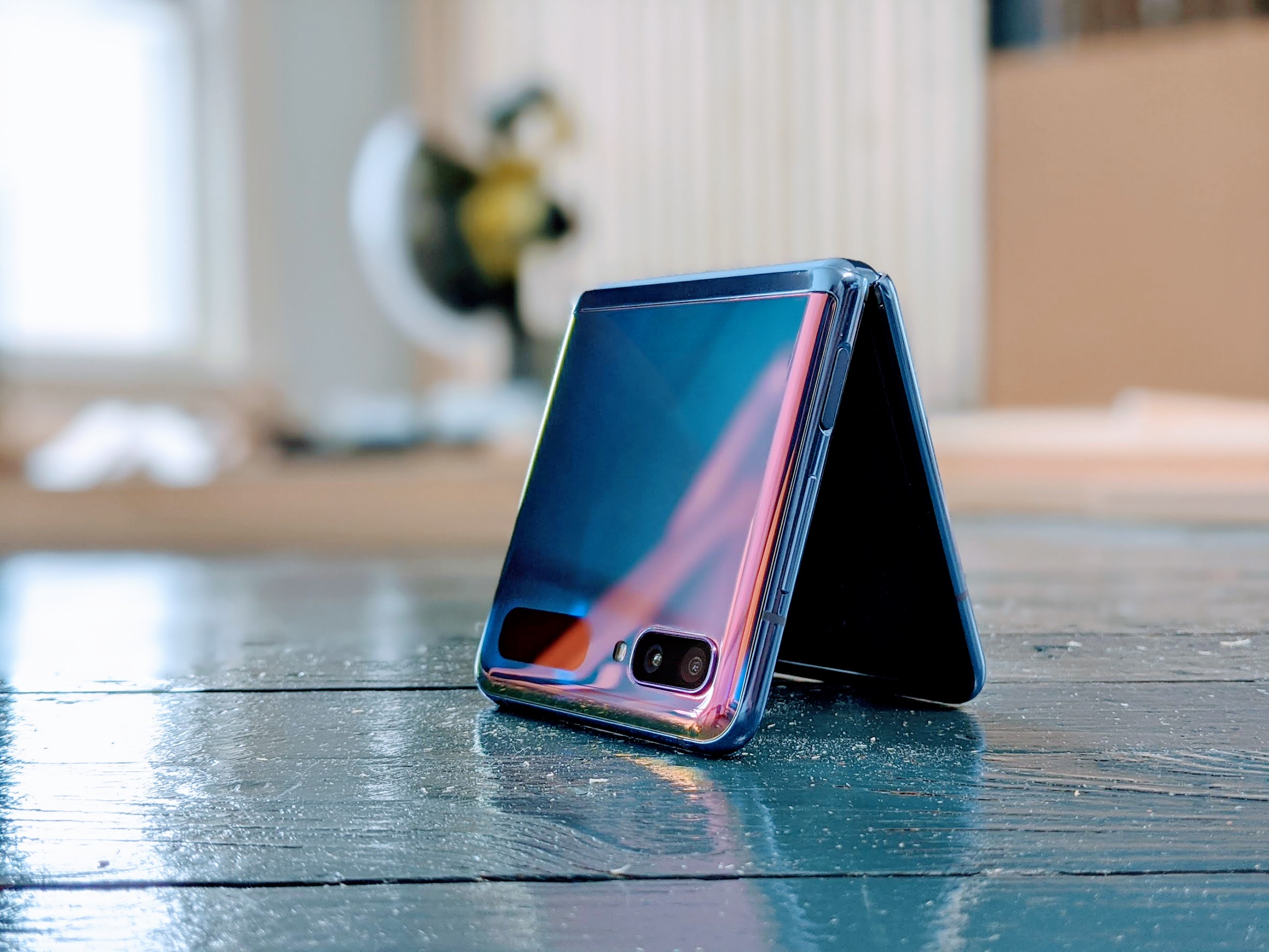
Samsung’s Galaxy Z Flip and Fold series have been refining the foldable experience for years now. Google’s Pixel Fold has shown what clean Android software can do on a flexible display. These companies have already worked through many of the early production challenges Apple is now facing. Their factories have experience, their yields have improved, and their supply chains are established.
For consumers who want a foldable experience sooner rather than later, the Android ecosystem offers compelling alternatives that won’t require waiting in digital lines for months. The irony is delicious: Apple’s delayed entry and production struggles might actually help competitors maintain market share they would otherwise lose when the iPhone Fold finally arrives.
Should You Wait or Look Elsewhere?
This brings us to the practical question every tech enthusiast will face in late 2026. Do you hold out for Apple’s potentially revolutionary but definitely scarce foldable, or do you invest in a more readily available alternative?
Consider your timeline and patience level. If having the latest Apple technology matters more than immediate gratification, start saving now and prepare for a potentially lengthy wait. The first-generation foldable iPhone will likely function as much as a status symbol as a practical device, similar to early Tesla Roadsters or first-generation Apple Watches in gold.
If you actually want to use a foldable phone in 2026 or early 2027, the Android options are maturing rapidly. Samsung’s hinge mechanisms have evolved through multiple generations, display durability has improved, and software optimization has reached a point where these devices feel like polished products rather than experimental prototypes.
There’s also the strategic wait-and-see approach. Some users might skip the first-generation model entirely, especially if supply remains tight into 2027. Apple’s second-generation foldable will likely address any durability concerns, offer wider availability, and potentially introduce refinements that make the wait worthwhile. It’s the classic tech dilemma: buy the exciting first generation with its inevitable quirks, or wait for the refined second generation that fixes them.
What’s clear from the supply chain signals is that Apple’s foldable ambitions face the same reality checks that every revolutionary product encounters. The dream is coming, but the timeline for turning that dream into something you can actually buy and use daily stretches further than many of us hoped. In the world of cutting-edge technology, patience isn’t just a virtue, it’s often a necessity.