| Metric | Value | Unit | Notes |
|---|---|---|---|
| Display Size & Type | 6.83 | inch | AMOLED, 120Hz refresh rate |
| Peak Brightness | 3,200 | nits | Measured in high brightness mode |
| Processor (SoC) | Snapdragon 7s Gen 4 | — | 4nm process technology |
| RAM / Storage | 12 / 512 | GB | Maximum configuration available |
| Battery Capacity | 6,500 | mAh | Dual-cell architecture |
| Wired Charging | 100 | W | Proprietary fast charging standard |
| Main Camera Sensor | 200 | MP | Primary rear camera resolution |
| Ultra-wide Camera | 8 | MP | Secondary rear camera |
| Front Camera | 32 | MP | Selfie and video call camera |
| IP Rating | IP69K | — | Dust and water resistance certified |
| Display Protection | Gorilla Glass Victus 2 | — | Corning’s latest protective glass |
You know that feeling when you pick up a phone that costs half what flagships demand, but it doesn’t feel like a compromise? That’s the immediate impression Xiaomi’s Redmi Note 15 Pro Plus leaves. Having spent time with this global variant after its China debut, I can tell you this isn’t just another budget phone. It’s a statement about what affordable smartphones can actually deliver in 2024.
Build Quality That Belies the Price Tag
Xiaomi talks about “Redmi Titan Durability,” and honestly, they aren’t just marketing. The fibreglass rear panel has this subtle texture that feels premium in hand, resisting fingerprints better than most glossy finishes. Yes, the sides are plastic, but they’re well-integrated with the Gorilla Glass Victus 2 display up front. That IP69K rating means you can stop worrying about rain or accidental spills. It’s the kind of durability you’d expect from phones costing twice as much.
I found myself carrying it without a case more often than not, something I rarely do with budget devices. The curved edges on the display give it that familiar 2.5D feel from older premium phones, though the bezels are noticeable if you’re coming from edge-to-edge flagships.
A Display That Actually Excites
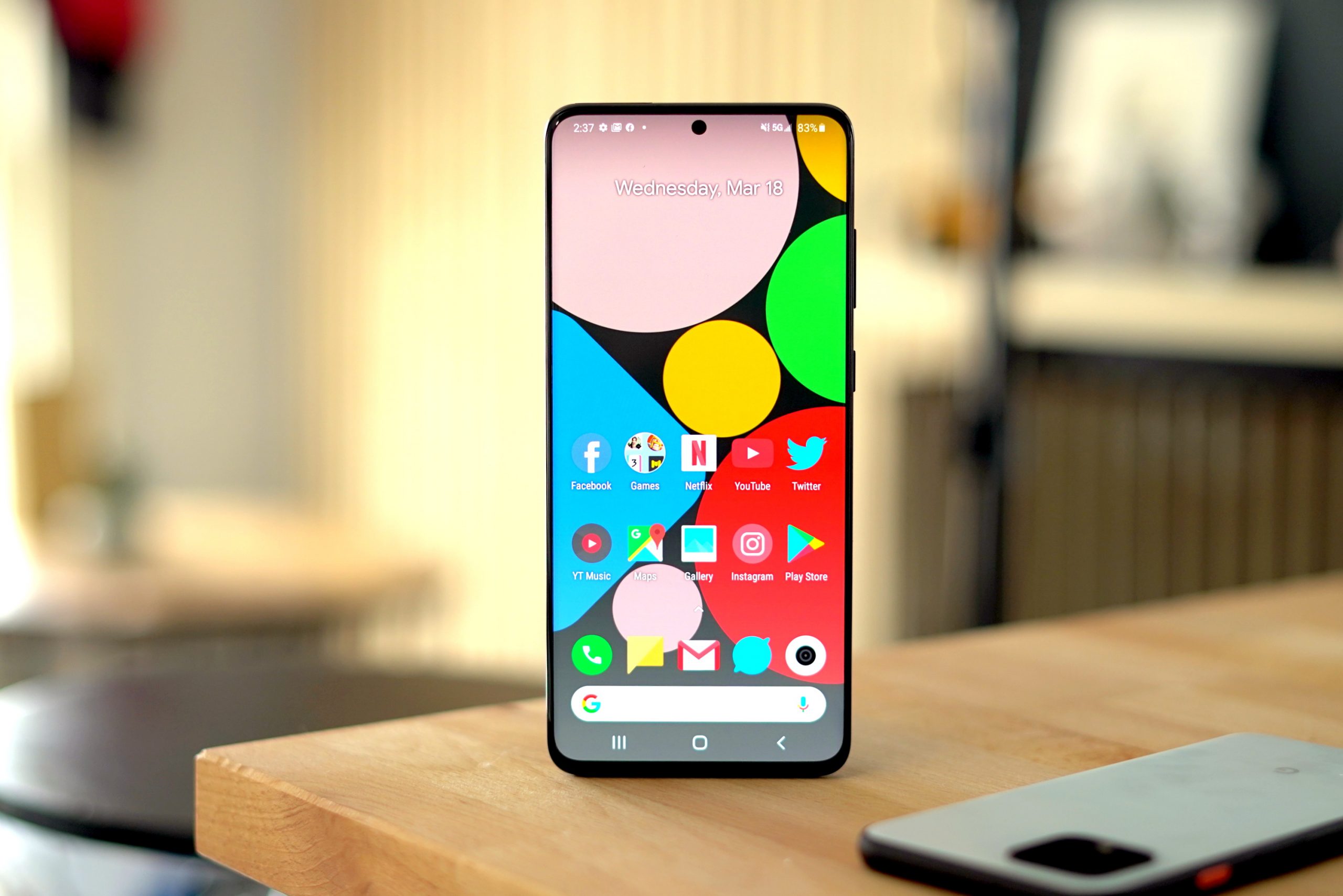
That 6.83-inch AMOLED panel changes everything about the budget experience. The 120Hz refresh rate makes scrolling through social feeds or websites feel fluid, not janky. But here’s what really surprised me: those 3,200 nits of peak brightness. Walking outside on a sunny afternoon, I could actually read messages without squinting or cupping my hand over the screen.
The 2772 x 1280 resolution strikes a smart balance between sharpness and battery efficiency. Colors pop with that AMOLED signature contrast, and watching videos feels immersive despite the thicker bezels. It’s a display that makes you forget this phone sits in the mid-range category.
Performance That Handles Real Life
Powering everything is Qualcomm’s Snapdragon 7s Gen 4, built on a 4nm process. You won’t get Snapdragon 8 Gen benchmark numbers, but that’s missing the point. What you get is smooth everyday performance. Apps launch quickly, multitasking between messaging, browsing, and music feels seamless, and even light gaming works well.
With up to 12GB of RAM and 512GB storage in the top configuration, you’re looking at a phone that can handle two years of app updates and photo storage without breaking a sweat. It’s the kind of spec sheet that makes you wonder why anyone would pay flagship prices for basic daily use.
Cameras That Capture More Than Expectations
The 200MP main camera isn’t just a number game. In daylight, photos have impressive detail and natural color reproduction. But here’s where I had my “aha” moment: low-light performance. Shooting in a dimly lit restaurant, the Note 15 Pro Plus captured usable shots where older budget phones would have produced grainy messes.
The 8MP ultra-wide gives you flexibility for landscapes or group shots, while the 32MP front camera handles video calls and selfies competently. Video tops out at 4K 30fps on the main camera, which is perfectly adequate for capturing family moments or short clips. It won’t replace a dedicated camera, but it eliminates the need to carry one for most situations.
Battery Life That Changes Your Routine
Let’s talk about that 6,500mAh battery. In my testing, it consistently delivered two full days of moderate use. Think about that: you can forget your charger at home when staying overnight somewhere and still have plenty of juice the next evening. When you do need to recharge, the 100W wired charging gets you from zero to full in about 30 minutes.
This kind of endurance reminds me of what we’re seeing with devices like the OnePlus 15R’s battery performance, where manufacturers are finally prioritizing all-day (and then some) usability over shaving millimeters off thickness.
Software and Daily Experience
Hyper OS 2 runs smoothly on the hardware, though Xiaomi still packs in plenty of pre-installed apps. The good news? Most can be uninstalled. The interface feels responsive, and features like split-screen multitasking work well on that large display.
What matters for long-term use is software support. While we don’t have official promises yet, Xiaomi’s track record suggests this should receive regular updates. In an era where even Google’s rapid Pixel updates set high expectations, consumers rightfully demand ongoing software attention for their investments.
The Bigger Picture
Spending time with the Redmi Note 15 Pro Plus makes you reconsider the entire budget segment. This isn’t about cutting corners to hit a price point. It’s about smart engineering choices that deliver 90% of the flagship experience for 50% of the cost.
The device joins a growing trend of budget phones that don’t feel budget, challenging the notion that premium features require premium prices. From its impressive display to that massive battery, every component feels thoughtfully selected rather than arbitrarily spec’d.
If you’re someone who values practicality over prestige, who wants a phone that works brilliantly without demanding monthly payments, this represents where the smart money goes in 2024. It proves that sometimes, the most intelligent choice isn’t the most expensive one. It’s the one that gives you everything you actually need, plus some pleasant surprises along the way.