Picture this. It’s fall 2026, and Apple finally unveils the device that’s been rumored for years, the first foldable iPhone. The internet erupts. Tech enthusiasts everywhere refresh their browsers, credit cards at the ready. But here’s the catch. Actually getting your hands on one might feel like winning the lottery. According to industry analyst Ming-Chi Kuo, Apple’s ambitious leap into foldables is about to collide with the harsh realities of manufacturing, and the resulting supply crunch could keep this futuristic phone frustratingly out of reach well into 2027.
The Manufacturing Mountain Apple Has to Climb
Let’s talk about why building a foldable phone is so much harder than the slab-style iPhone you’re used to. It’s not just about bending a screen. The entire mechanical architecture changes. You need a hinge that can survive hundreds of thousands of folds without developing play or a crease. You need ultra-thin glass that can flex without shattering. You need display layers that maintain perfect alignment through constant motion. Every single one of these elements introduces new failure points during production.
Apple is reportedly still finalizing the hinge mechanism itself. This isn’t a minor detail. It’s the heart of the device. Getting it wrong means a phone that feels loose, develops a visible crease, or worse, fails prematurely. This level of precision engineering forces Apple to be extremely conservative with its initial production volumes. They can’t afford to ramp up too quickly and risk shipping a flawed product. This cautious approach is a key reason behind the production reality check analysts are warning about.
Early production yields, the percentage of units that come off the line without defects, are notoriously low for new foldable designs. Where a traditional iPhone might see yields in the high 90s, early foldable production can struggle to hit 70%. That means for every 100 phones Apple tries to build, 30 might be scrapped or need rework. This isn’t about Apple’s quality standards slipping. It’s the fundamental physics of bending high-precision components that have historically been rigid.
The Timeline: A Slow March to Availability
Kuo’s analysis suggests Apple is on track for a late 2026 announcement, likely during their usual September or October event. The device will be unveiled with all the fanfare we expect. But “smooth shipments,” where supply can reliably meet demand, won’t happen until 2027. What does that mean for you?
Imagine launch day. Stock will vanish in minutes, maybe seconds. If you’re not among the first to click buy, you could be looking at weeks or months of waiting. This won’t be a uniform shortage either. Specific storage configurations, like the highest capacity option, or certain colors will be particularly scarce. Buyers in smaller markets outside Apple’s core regions might face even longer delays.
This major supply crunch has a silver lining for Apple’s production teams, though. It gives them time. Throughout 2027, as factory workers gain experience and engineers refine the process, yields will gradually improve. Production volumes will climb from the constrained “teens of millions” forecast for 2027 toward true mass-market numbers. But that first year? It’s going to be a scramble.
Who Wins When Apple Loses?
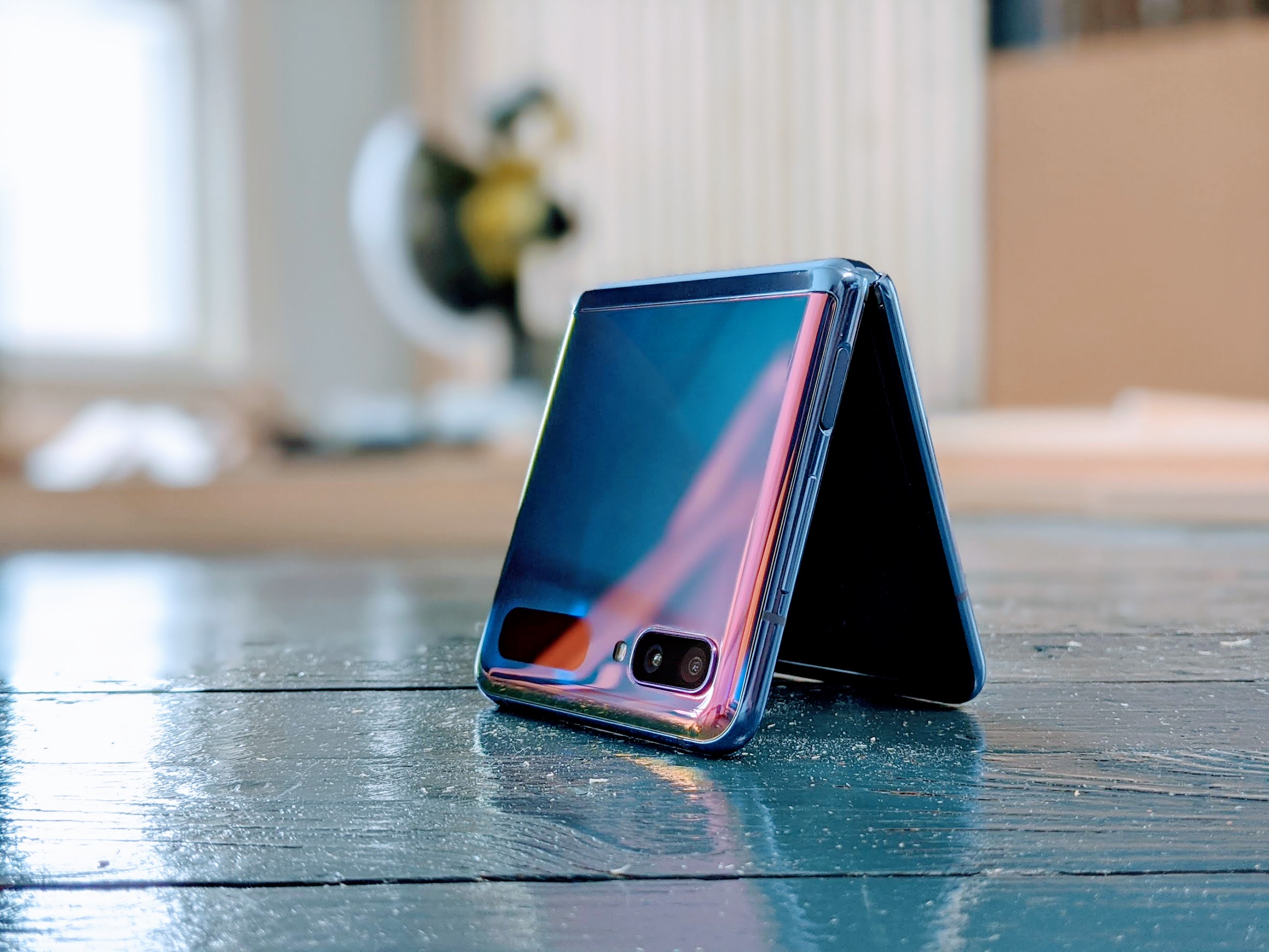
This extended shortage creates a fascinating window of opportunity for Apple’s competitors, particularly Samsung. The Korean giant has been iterating on its Galaxy Z Fold and Z Flip lines for years. Their factories have the experience, and their supply chains for hinge components and flexible displays are mature. While Apple struggles to build enough units, Samsung can capitalize by offering available, refined alternatives.
Rumors already point to Samsung pushing the envelope further with devices like the Galaxy Z Flip 8, aiming for unprecedented thinness and refinement. For consumers who want a foldable experience now and can’t wait for Apple to solve its production puzzles, Samsung’s head start becomes a major advantage. Google, with its Pixel Fold, and other Android manufacturers will also benefit from having products actually sitting on store shelves.
Paradoxically, Apple’s entry will still be a net positive for the entire foldable category. The moment Tim Cook holds up a folding iPhone, it legitimizes the form factor for millions of mainstream buyers who previously viewed foldables as a niche Android experiment. The first-gen foldable iPhone will function less as a volume product and more as a halo device, a statement of technological ambition that sets the stage for future, more accessible models.
The Consumer’s Dilemma: Wait or Settle?
So what should you do if you’ve been dreaming of a folding iPhone? You face a classic tech dilemma. The first generation of any groundbreaking Apple product often comes with compromises, whether it’s limited availability, a sky-high price, or early-adopter quirks. This time, the primary constraint looks to be sheer scarcity.
Many pragmatic users might decide to skip this initial model entirely. If rumors are true and supply remains tight deep into 2027, waiting for a second-generation device starts to make a lot of sense. The second iteration typically addresses early production hiccups, improves durability, and often comes with a slightly more palatable price tag as manufacturing efficiencies kick in.
For the die-hard Apple enthusiast with patience and deep pockets, the 2026 foldable iPhone will be the ultimate tech status symbol. It will be the phone you see in the hands of influencers and early adopters, a glimpse into a future that’s still just out of reach for most. For everyone else, the wait continues, but at least now we have a clearer picture of just how long that wait might be. The foldable future is coming, but for Apple, it’s going to be a slow, careful walk rather than a sprint to store shelves.