Picture this. It’s fall 2026, and Apple finally takes the stage to unveil what everyone’s been waiting for, their first foldable iPhone. The crowd goes wild, social media explodes, and you’re already imagining that satisfying snap as you fold your new device closed. But here’s the reality check that might dampen the excitement. According to analyst Ming-Chi Kuo, actually getting your hands on one could feel like winning the lottery, with supply constraints potentially stretching well into 2027.
This isn’t just about hype exceeding production. It’s about the fundamental engineering challenges of building a foldable device that meets Apple’s notoriously high standards. We’re talking about a production reality check that could make this first-generation model more of a halo product than a mainstream device.
The Manufacturing Mountain Apple Has to Climb
Let’s break down why foldables are so tricky to manufacture at scale. Unlike the slab phones we’re used to, foldables introduce mechanical complexity that’s fundamentally different. The hinge mechanism alone is a miniature engineering marvel that needs to survive hundreds of thousands of folds while maintaining perfect alignment. Then there’s the ultra-thin glass display that has to flex without developing permanent creases or micro-cracks.
Apple is reportedly still finalizing certain hardware elements, including that crucial hinge mechanism. This isn’t unusual for first-generation products, but it does increase the risk of a slow production ramp-up. Early yields, meaning the percentage of devices that pass quality control on the first try, tend to be low with new manufacturing processes. Factories need time to work out the kinks, and workers need to gain experience with the new assembly techniques.
Imagine trying to produce millions of devices where every hinge has to be perfectly calibrated, every display layer has to be aligned within microscopic tolerances, and every fold has to feel exactly the same. It’s not impossible, but it’s certainly not as straightforward as pumping out traditional iPhones.
What This Means for You, the Buyer
If you’re already saving up for Apple’s foldable iPhone, you might want to temper your expectations. Kuo’s analysis suggests that even if Apple announces the device on schedule in late 2026, supply could remain tight through at least the end of that year. “Smooth shipments” might not happen until 2027, which translates to prolonged stock shortages and limited availability.
Think about your last iPhone purchase. Remember checking store availability, comparing shipping times, or maybe even waiting in a virtual queue? Multiply that experience by ten. Specific storage configurations, certain colors, even regional availability could become major hurdles. Smaller markets might see particularly limited stock, forcing enthusiasts to wait weeks or even months.
From a consumer perspective, this creates an interesting dilemma. Do you jump through hoops to get a first-generation device that might have early adopter quirks? Or do you wait for the second generation, when Apple typically refines the design, improves durability, and hopefully has worked out the production bottlenecks?
The Ripple Effect Across the Market
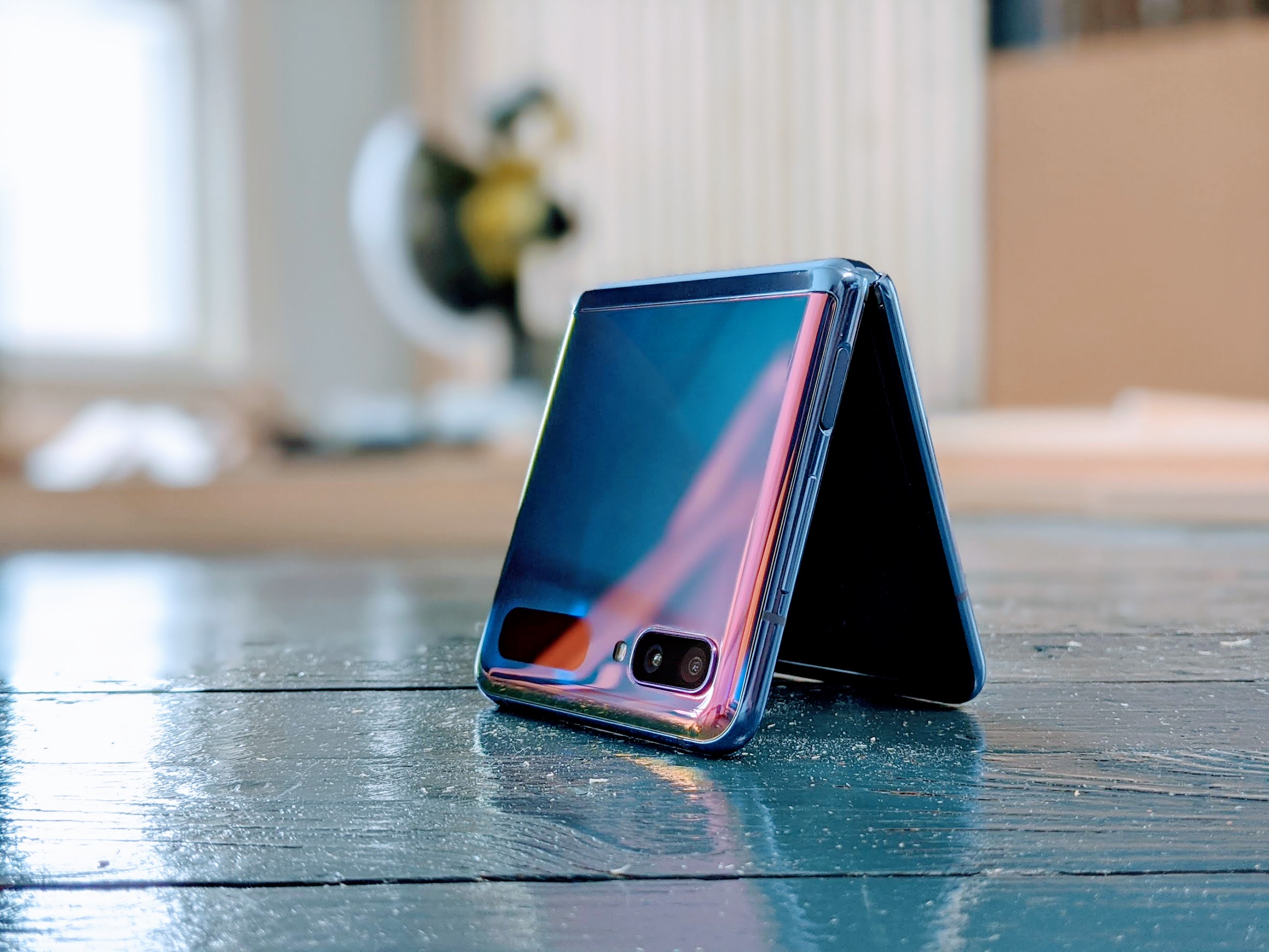
Apple’s entry into the foldable space will instantly legitimize the category for mainstream buyers. But these early supply constraints create an unexpected opportunity for competitors. Samsung’s Galaxy Z Fold series, Google’s foldable efforts, and other Android manufacturers could benefit from having more readily available alternatives while Apple struggles to meet demand.
This isn’t just about market share. It’s about user experience and ecosystem development. If only a limited number of people can actually use Apple’s foldable iPhone in its first year, developers might be slower to create apps that truly leverage the unique form factor. The software experience could feel like it’s playing catch-up with the hardware.
Kuo forecasts the iPhone Fold selling in the “teens of millions” by 2027. That sounds impressive until you realize it represents a gradual climb from extremely limited early supply to what Apple would consider true mass-market volumes. For context, Apple typically sells tens of millions of new iPhones within the first few months of launch.
The Halo Effect and Premium Pricing
In its first year, Apple’s foldable iPhone might function more like a tech status symbol than a practical daily driver for most people. Constrained stock combined with what’s likely to be an ultra-premium price tag will create an artificial scarcity that could make the device feel even more exclusive.
We’ve seen this pattern before with other cutting-edge Apple products. Remember the original Apple Watch Edition with its gold case starting at $10,000? Or more recently, the Vision Pro’s $3,499 price point? Apple knows how to create desire through scarcity, and they’re not afraid to price products accordingly.
The production challenges could actually play into this narrative. If the device is hard to get, it becomes more desirable. If it’s expensive, it feels more premium. Apple understands this psychology better than anyone in the industry.
Looking Beyond 2027
For those willing to wait, the second-generation foldable iPhone could be worth the patience. Apple typically uses the first generation to establish the product category and gather real-world feedback. The second generation is where they refine, improve, and often address the pain points that early adopters discovered.
Better durability, wider availability, potentially more competitive pricing, and a more mature software experience could make the wait worthwhile. Plus, by 2027, display technology will have advanced, hinge mechanisms will have been refined through millions of real-world folds, and Apple’s manufacturing partners will have gained invaluable experience.
In the meantime, if you’re absolutely determined to be an early adopter, start saving now, prepare for potential disappointment, and maybe develop some patience. Or consider that the Android foldable market is maturing rapidly, with devices that offer compelling experiences today without the wait.
Either way, Apple’s journey into foldables is about to teach us all a lesson in supply chain realities, manufacturing complexity, and the true meaning of patience in the tech world.