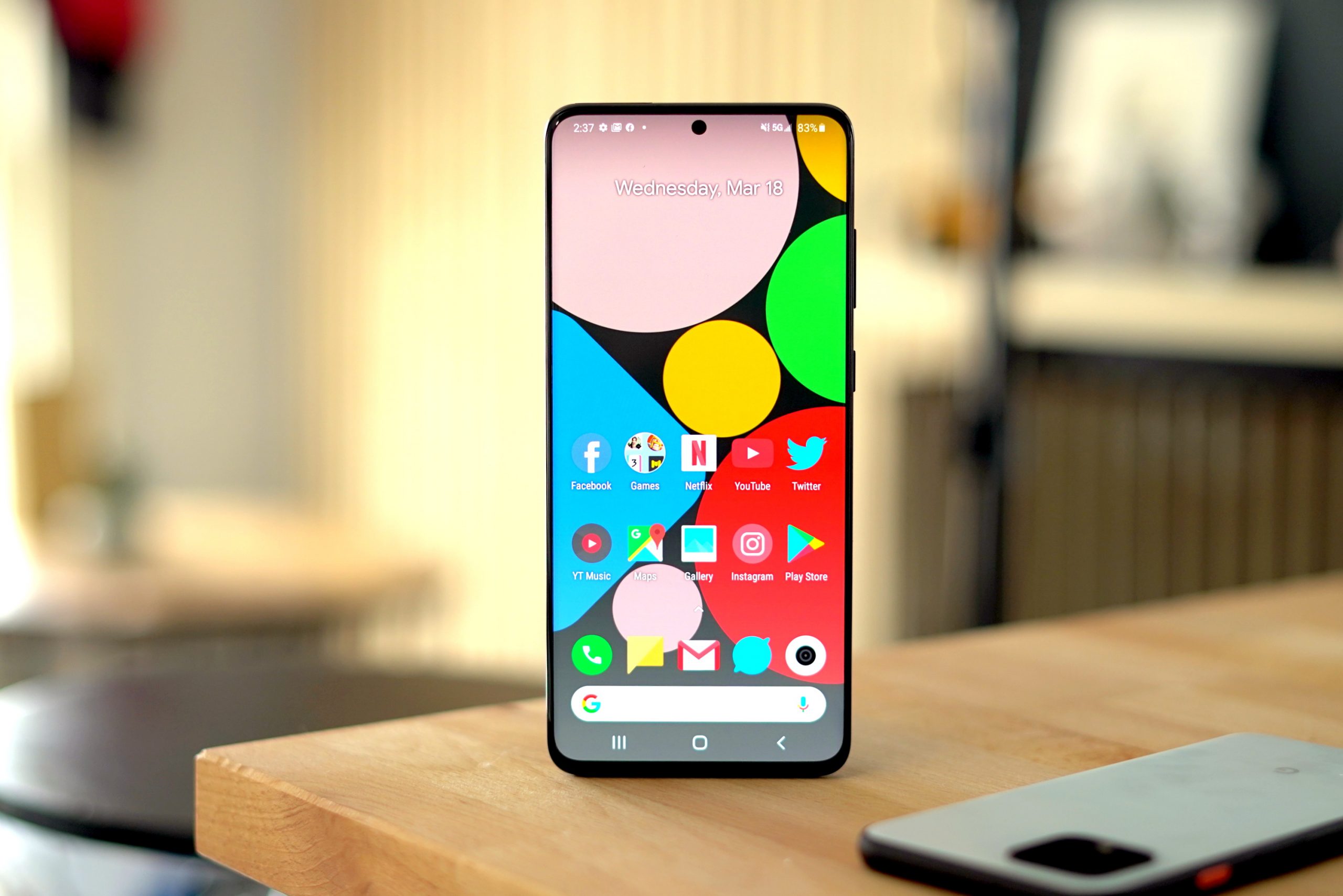
Xiaomi just dropped the global version of its Redmi Note 15 Pro Plus, and after spending some time with it, I’m genuinely impressed. This isn’t just another budget phone trying to cut corners. It feels like Xiaomi looked at the mid-range segment, shrugged, and decided to pack in features that make you question why you’d pay flagship prices. The phone arrives with upgrades that matter, and it makes a seriously compelling first impression for anyone who wants premium touches without the premium price tag.
| Metric | Value | Unit | Notes |
|---|---|---|---|
| Display Size & Type | 6.83 | inch | AMOLED, 120Hz refresh rate |
| Peak Brightness | 3,200 | nits | Measured in high brightness mode |
| Processor (SoC) | Snapdragon 7s Gen 4 | — | 4nm process; mid-range performance |
| RAM / Storage | 12 / 512 | GB | Maximum configuration available |
| Battery Capacity | 6,500 | mAh | Massive capacity for all-day use |
| Wired Charging | 100 | W | Proprietary fast charging standard |
| Main Camera Sensor | 200 | MP | High-resolution primary sensor |
| Ultra-wide Camera | 8 | MP | Secondary camera for wider shots |
| Front Camera | 32 | MP | Selfie and video call camera |
| IP Rating | IP69K | — | Dust tight; high-pressure water resistant |
| Display Resolution | 2772 x 1280 | pixels | Sharp, detailed viewing experience |
Build Quality That Surprises
Pick up the Redmi Note 15 Pro Plus, and the first thing you notice is how solid it feels. Xiaomi talks about “Redmi Titan Durability,” which sounds like marketing speak until you actually handle the device. The fibreglass rear panel has a premium texture that resists fingerprints, while the front gets Corning’s Gorilla Glass Victus 2 protection. Yes, the sides are plastic, but they’re well-finished and don’t feel cheap. What really stands out is the IP69K rating. Most phones in this price range might offer basic splash resistance, but IP69K means this thing can handle high-pressure water jets. It’s the kind of durability you’d expect from a rugged phone, not a mid-range contender. You’ll still want a case for serious drops, but for everyday knocks and accidental splashes, this phone feels reassuringly tough.
A Display That Demands Attention
That 6.83-inch AMOLED screen is a showstopper. With 120Hz refresh rate, everything from scrolling through social media to navigating menus feels buttery smooth. The 3200 nits of peak brightness means you can actually use this phone in direct sunlight without squinting. I tested it outside on a bright afternoon, and text remained perfectly readable. The resolution sits at 2772 x 1280 pixels, which strikes a nice balance between sharp detail and battery efficiency. The display curves gently at the edges, reminiscent of those 2.5D screens from a few years back. It gives the phone a more premium look and feel, though the bezels are a bit thicker than what you’d find on flagships. Honestly, for the price, you’re getting display technology that competes with phones costing twice as much.
Performance That Handles Real Life
Powering the experience is Qualcomm’s Snapdragon 7s Gen 4 chipset. Let’s be clear, you won’t be setting benchmark records with this silicon, but that’s not the point. What matters is how it handles your actual daily routine. Opening apps feels snappy, switching between them is smooth, and even light gaming works well. Paired with up to 12GB of RAM and 512GB of storage, this configuration should handle most users’ needs for years. The phone runs Hyper OS 2, Xiaomi’s latest software layer. There’s a fair amount of pre-installed apps, which some users might find annoying, but the good news is you can uninstall most of them. From an industry perspective, Xiaomi’s move to include this chipset shows they’re focusing on efficient performance rather than chasing spec sheet numbers. It’s a smart play that keeps costs down while delivering a experience that redefines what budget phones can deliver in terms of real-world usability.
Cameras That Capture More Than Expected
The camera setup follows the current trend of focusing on one great sensor rather than multiple mediocre ones. The 200MP main camera uses pixel-binning technology to combine multiple pixels into one larger, more light-sensitive pixel. The result? Photos with better detail and dynamic range than you’d expect from a phone in this segment. In daylight, shots look vibrant and detailed. But the real test came at dusk, when I snapped some photos in a dimly lit park. The images came out surprisingly clean, with noise kept to a minimum and colors that remained true to life. The 8MP ultra-wide gives you flexibility for landscapes or group shots, while the 32MP front camera handles selfies and video calls with ease. Video recording tops out at 4K at 30 frames per second on the main camera, which is perfectly adequate for most users. It’s not going to replace a dedicated camera, but for social media and memories, it’s more than capable.
Battery Life That Just Won’t Quit
Here’s where the Redmi Note 15 Pro Plus might just spoil you. The 6500mAh battery is massive by today’s standards. During my testing, I easily got through a full day of heavy use with plenty of juice to spare. We’re talking hours of screen time, navigation, camera use, and still having battery left for evening browsing. When you do need to recharge, the 100W wired charging is ridiculously fast. Xiaomi claims you can go from zero to full in under 30 minutes, and my experience backs that up. It changes how you think about charging. Forget overnight top-ups, just plug in while you shower and get enough power for hours of use. This kind of battery performance used to be exclusive to gaming phones or niche devices. Now it’s here in a mainstream mid-ranger, and it makes you wonder why more companies don’t prioritize battery capacity this way.
The Bottom Line: Smart Value, Not Just Smart Budget
The Redmi Note 15 Pro Plus arrives at an interesting time in the smartphone market. Consumers are becoming more value-conscious, and Xiaomi seems to understand this shift perfectly. This phone doesn’t just check boxes, it delivers meaningful upgrades where they matter most. The display looks fantastic, the battery lasts forever, and the build quality feels premium. Sure, there are compromises, like the plastic frame and the mid-range chipset, but they’re smart compromises that keep the price accessible while delivering where it counts.
What’s particularly interesting from an industry perspective is how Xiaomi continues to push boundaries in the mid-range segment. While other manufacturers might reserve features like 100W charging or IP69K ratings for their flagships, Xiaomi brings them down to more accessible price points. It’s a strategy that’s working, as evidenced by how this phone redefines expectations for affordable devices. Pricing hasn’t been officially announced yet, but if Xiaomi positions this competitively within their mid-range lineup, it could become one of the most compelling options of the year.
For anyone tired of paying flagship prices for incremental upgrades, the Redmi Note 15 Pro Plus offers a refreshing alternative. It proves you don’t need to spend a fortune to get a phone that feels premium, performs well, and lasts all day. Sometimes the smartest choice isn’t the most expensive one, and this phone makes that case convincingly. It’s not just a smart budget option, it’s a smart phone, period, that shows how far mid-range technology has come in recent years.