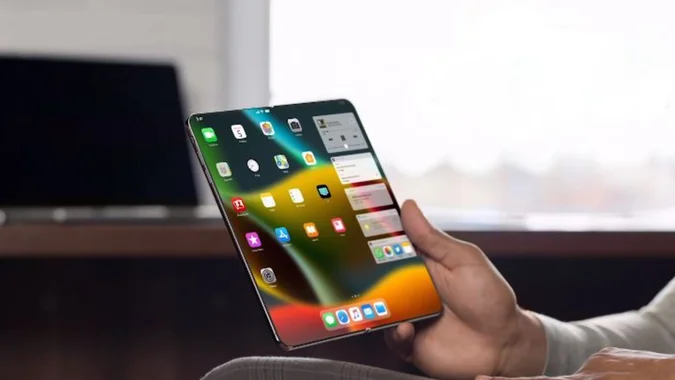
Picture this: it’s fall 2026, and Apple finally unveils the device we’ve all been whispering about for years. The first foldable iPhone. That satisfying snap of a premium hinge, the seamless transition from pocket-sized phone to tablet-sized canvas, the buttery smooth 120Hz OLED display that somehow bends without a visible crease. It’s the engineering marvel we’ve dreamed of. But here’s the harsh reality that’s emerging from supply chain whispers and analyst reports: actually getting your hands on one might feel like winning the lottery until well into 2027.
The Production Nightmare No One Saw Coming
According to trusted analyst Ming-Chi Kuo, Apple’s foldable iPhone remains on track for a late 2026 announcement, likely during their usual September or October showcase. The dream timeline looks perfect on paper. The problem? Building these things at scale is turning out to be a manufacturing nightmare that even Apple’s legendary supply chain mastery might struggle to tame initially.
Kuo warns that “smooth shipments” won’t really happen until 2027. Think about what that means for your upgrade plans. That shiny new foldable you want to pre-order the moment it goes live? Expect it to disappear from virtual shelves in minutes, with wait times stretching into weeks or even months depending on your region and preferred configuration. This isn’t just typical Apple launch scarcity. This is a fundamental production reality check that could keep the device frustratingly elusive.
Why Foldables Are So Damn Hard to Build
Let’s break down the technical hurdles in plain language. Your regular slab smartphone is essentially a sandwich: display on top, circuit board in the middle, battery and casing on the bottom. It’s a recipe Apple has perfected over 17 generations of iPhone.
A foldable phone is more like a gourmet seven-layer cake where every layer has to flex thousands of times without cracking. The ultra-thin glass layer protecting the display? It needs to be flexible yet durable enough to survive being folded and unfolded daily. The OLED display itself? Those microscopic pixels and their delicate organic materials hate being bent. The hinge mechanism? It’s not just a physical joint. It’s a precision-engineered system that must feel satisfyingly smooth while protecting those fragile internal layers from dust, debris, and the inevitable pocket lint.
Apple is reportedly still finalizing the hinge design, which tells you everything about the complexity involved. Early production yields for these components are notoriously low. Manufacturers might produce 100 hinges before getting 10 that meet Apple’s exacting standards. That math doesn’t work when you’re trying to build millions of units.
What This Means for Your Wallet and Patience
Imagine launch day. You’ve got your credit card ready, you’re refreshing Apple’s website exactly at the announced time, and… it’s already sold out. The specific storage and color combination you wanted shows “8-10 week delivery” before you can even complete checkout. This scenario isn’t just likely. It’s almost guaranteed based on the major supply crunch analysts are predicting.
Kuo’s forecasts suggest the foldable iPhone might only reach “teens of millions” in sales by 2027. Compare that to the 200+ million regular iPhones Apple sells annually. In its first year, this foldable won’t be a mass-market device. It’ll be a halo product, a tech status symbol with an ultra-premium price tag to match. Think $1,799 or more for the base model.
For many enthusiasts, the decision becomes painfully practical. Do you fight through the scarcity and premium pricing for a first-generation device that Apple will inevitably refine in version two? Or do you wait for the inevitable improvements in durability, battery life, and software optimization that come with iteration?
The Ripple Effect Across the Foldable Market
Here’s an interesting twist: Apple’s supply struggles might actually benefit Samsung, Google, and other Android foldable makers in the short term. While Apple’s entry will instantly legitimize foldables for mainstream buyers (“If Apple’s doing it, it must be ready”), the scarcity means competitors get more breathing room.
Samsung’s Galaxy Z Fold and Flip series, along with Google’s Pixel Fold, could continue dominating actual sales while Apple dominates the conversation. It’s a peculiar dynamic where mindshare and marketshare temporarily diverge. For consumers, this means more time to evaluate whether alternatives like the rumored refined Galaxy Z Flip 8 might actually better suit their needs and budget.
The Practical Decision: Wait or Wrestle?
So where does this leave you, the eager tech enthusiast who’s been waiting for Apple to enter the foldable arena? You’ve got two paths, both requiring patience of different kinds.
Path one: Prepare for battle. Set up Apple Store notifications, be ready to order the second pre-orders go live, accept that you might wait months for delivery, and brace for a price that could approach two thousand dollars. You’ll get bragging rights and early access to what will undoubtedly be a beautifully engineered piece of technology.
Path two: Embrace the wait. Recognize that first-generation Apple products, while impressive, always get significantly better in their second iteration. The iPhone 3G added 3G and the App Store. The iPad 2 was dramatically thinner and faster. By 2027 or 2028, Apple’s foldable will likely be more available, more durable, and possibly even more affordable. You’ll miss the initial excitement but get a better product.
The brutal truth, confirmed by multiple supply chain reports, is that finding one before 2027 will be incredibly difficult. This isn’t pessimism. It’s practical planning based on the manufacturing realities of bending glass and metal in ways they were never designed to bend.
Apple’s first foldable iPhone represents a fascinating collision of ambition and physics. The ambition to reinvent the smartphone form factor we’ve had for 17 years. The physics of materials that prefer to stay flat. That collision creates scarcity, and scarcity creates difficult choices. Your choice, like the phone itself, will need to bend to reality.