Picture this. You’re rushing to edit a screenshot before sending it to a colleague. Two taps used to do it. Now there’s an AI suggestion layer asking if you want to summarize, translate, or magically remove that coffee stain. You just want to crop and send. That extra cognitive load, that moment of hesitation, that’s what some Pixel owners are calling the “AI tax.” And they’re not happy about it.
The Reddit Rebellion
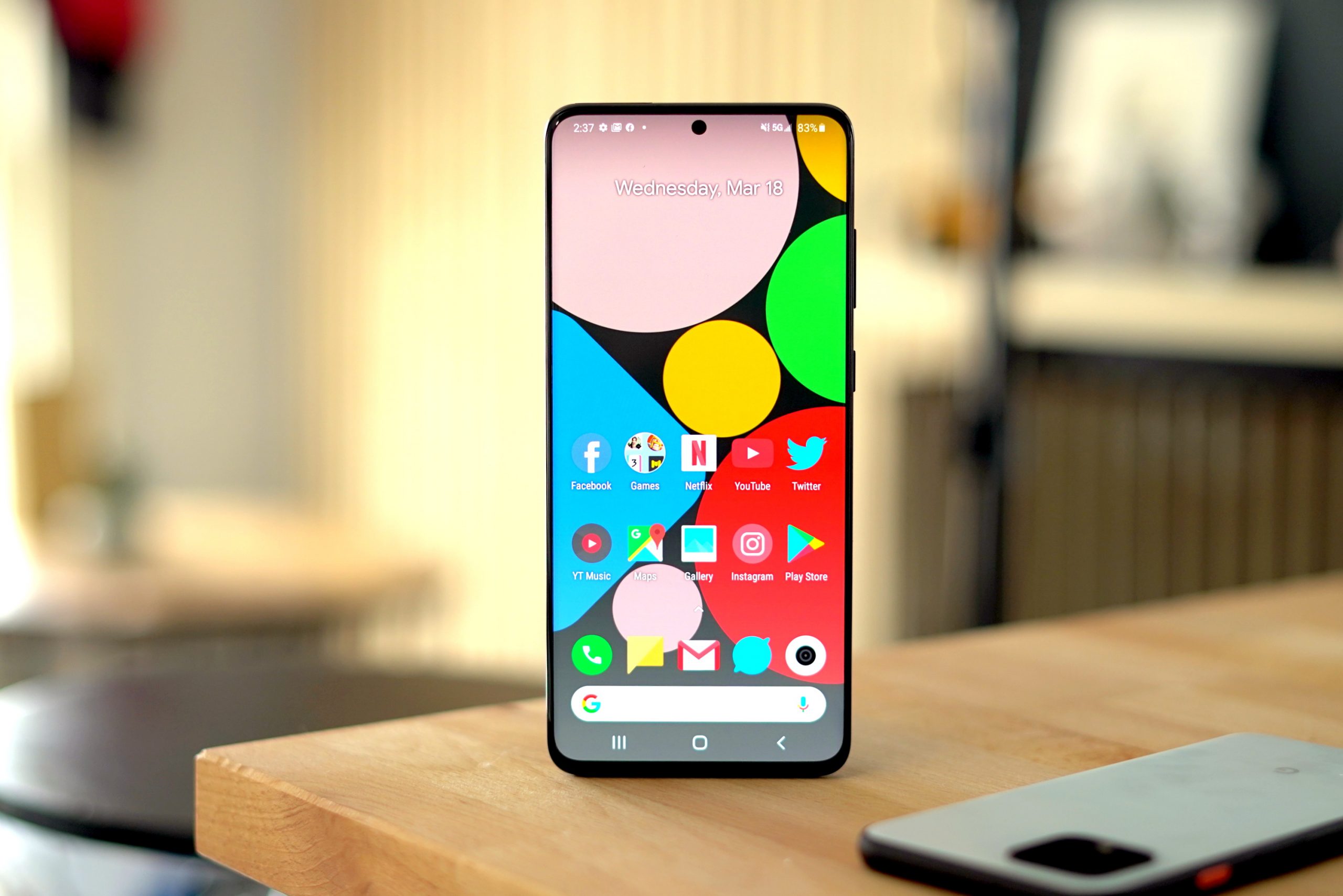
A viral thread on Reddit titled “Does anyone feel like AI is ruining the Pixel experience?” has become ground zero for this growing frustration. With hundreds of upvotes and comments, it’s a raw look at how Google’s deep Gemini integration is backfiring. The complaints are specific, not vague. Tapping the G pill now launches a full screen Gemini page that feels laggy compared to the instant Google Search overlay. Editing screenshots requires navigating past AI tool suggestions. There’s even a dedicated AI button sitting where muscle memory expects a normal search function.
This isn’t just about disliking new features. It’s about a fundamental shift in how the phone feels to use. Longtime Pixel fans describe a “slopification” of the experience, where every action gets weighed down by an extra decision or a processing delay. The very things that made Pixels appealing, their clean software and responsive feel, are getting buried under what some see as AI bloat.
Under the Hood: The Technical Trade-Off
Let’s break down what’s happening technically. When Google bakes AI features like Gemini directly into the system interface, it’s not just adding an app. It’s running background processes, reserving RAM, and constantly listening for triggers. That “AI Core” service? It’s always there, chewing through a slice of your processor cycles and, crucially, your battery life.
For the average user, this translates to real world annoyances. Your phone might feel a hair slower when switching apps. That screenshot edit you do ten times a day now takes eleven seconds instead of eight. The haptic feedback when you press the search pill has a tiny, almost imperceptible delay. These micro frustrations add up. They break the flow. In the pursuit of making phones smarter, Google might be making them feel dumber to use, a sentiment echoed in our deeper look at the Pixel AI backlash.
Not Just a Google Problem
Google isn’t operating in a vacuum. This “AI-ification” is an industry wide push. Samsung’s Galaxy AI suite is drawing similar criticism on forums. Users complain that Bixby text call summaries or generative photo edits are prioritized over refining core camera processing or improving baseline software stability. Across Android, there’s a palpable tension. Brands are racing to showcase on device AI tricks, sometimes at the expense of the boring, essential stuff like reliable Bluetooth connections or consistent touch response.
Even Samsung, with its ambitious Galaxy AI vision for future foldables, faces the same user dilemma. Do flashy features that demo well in stores actually make your daily life better, or do they just add complexity?
The User Fightback: Disable, Downgrade, or Defect
So what are frustrated Pixel owners doing? The most common fix is the digital equivalent of surgery. They’re diving into Settings, hunting for “AI Core” and “Android System Intelligence,” and turning them off. It’s a telling move. Users are voluntarily disabling flagship features to reclaim a snappier, more predictable experience.
Others are taking more drastic steps. Some are openly considering switching brands entirely. They’re looking at phones that market themselves on speed and stability first, AI second. There’s a renewed appreciation for devices that excel at the basics, making calls, lasting all day, and taking great photos without needing to first ask an AI if the photo should be taken.
The Core Tension: Innovation vs. Intuition
At its heart, this backlash highlights a classic tech industry tension. Engineers and product managers see powerful new AI tools and want to integrate them everywhere. They envision a future where your phone anticipates your needs. But users often just want a tool that disappears into their workflow, not one that constantly suggests new workflows.
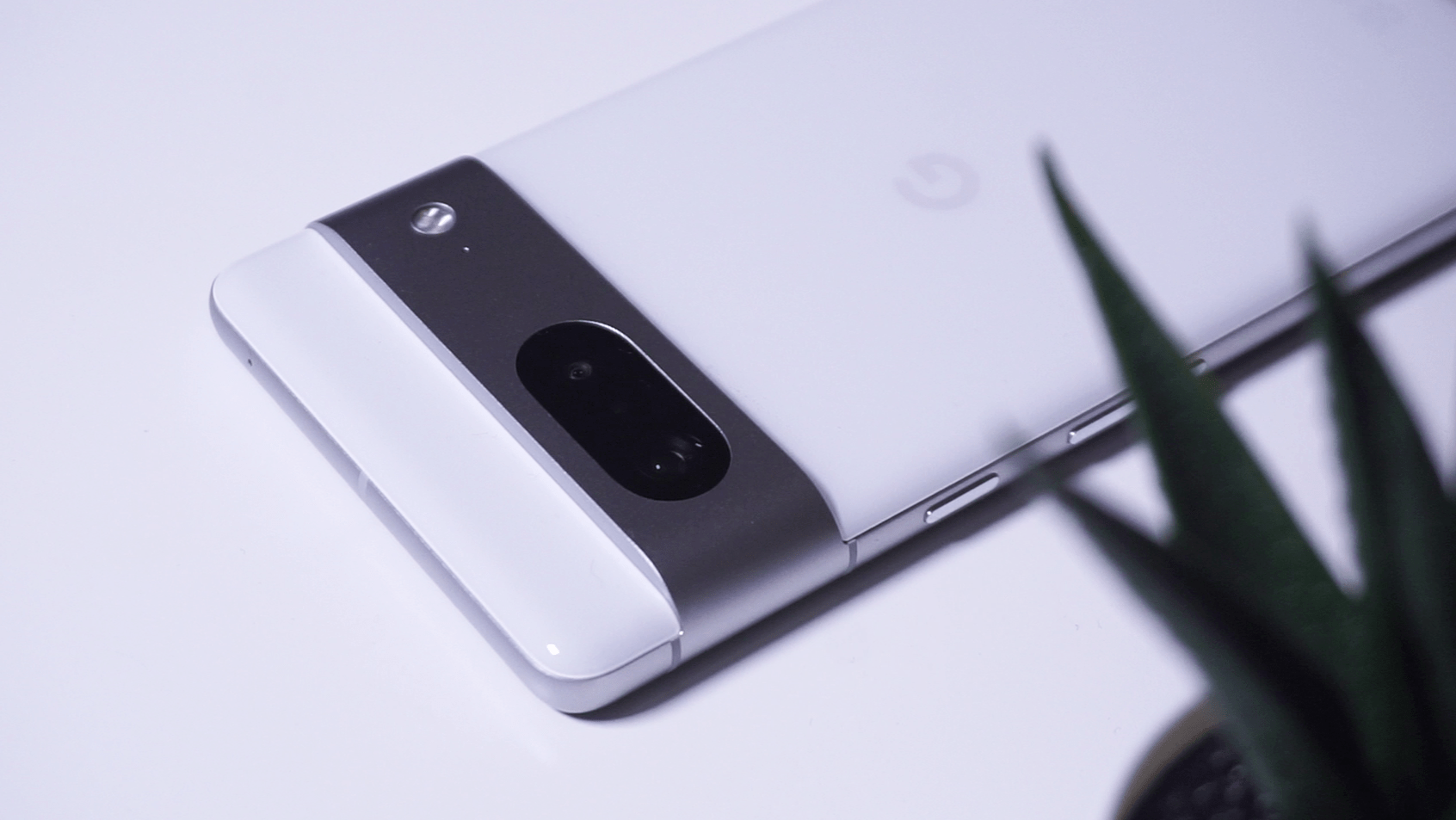
For the Pixel faithful longing for the simpler, zippier days of the Pixel 7, Google’s current “AI first” direction feels like a step backward. It’s a reminder that sometimes, the most sophisticated technology is the kind you don’t notice at all. The kind that just works, quickly and quietly, getting out of the way so you can get on with your day. As Google doubles down on its AI everywhere strategy, it risks alienating the very users who loved Pixels for being different, for being smarter in the ways that actually mattered.