Picture this. It’s fall 2026, and Apple finally takes the stage to unveil the iPhone you’ve been waiting for. The company’s first foldable. The design looks incredible in the renders, a seamless blend of iPhone and iPad Mini that actually fits in your pocket. You’re ready to preorder the moment the page goes live. But here’s the reality check. Actually getting your hands on one before 2027 might feel like winning the lottery.
According to industry analyst Ming-Chi Kuo, Apple’s foldable iPhone is tracking for a late 2026 announcement, likely during the usual September or October keynote. The device is reportedly behind earlier internal schedules but still on track for that reveal. The real challenge begins after the applause dies down. Kuo warns that tight supply and complex production hurdles will keep this phone frustratingly hard to buy well into 2027. Even if Apple announces it on time, building enough units to match the inevitable demand is a different story entirely.
Why Building a Foldable iPhone Is So Much Harder
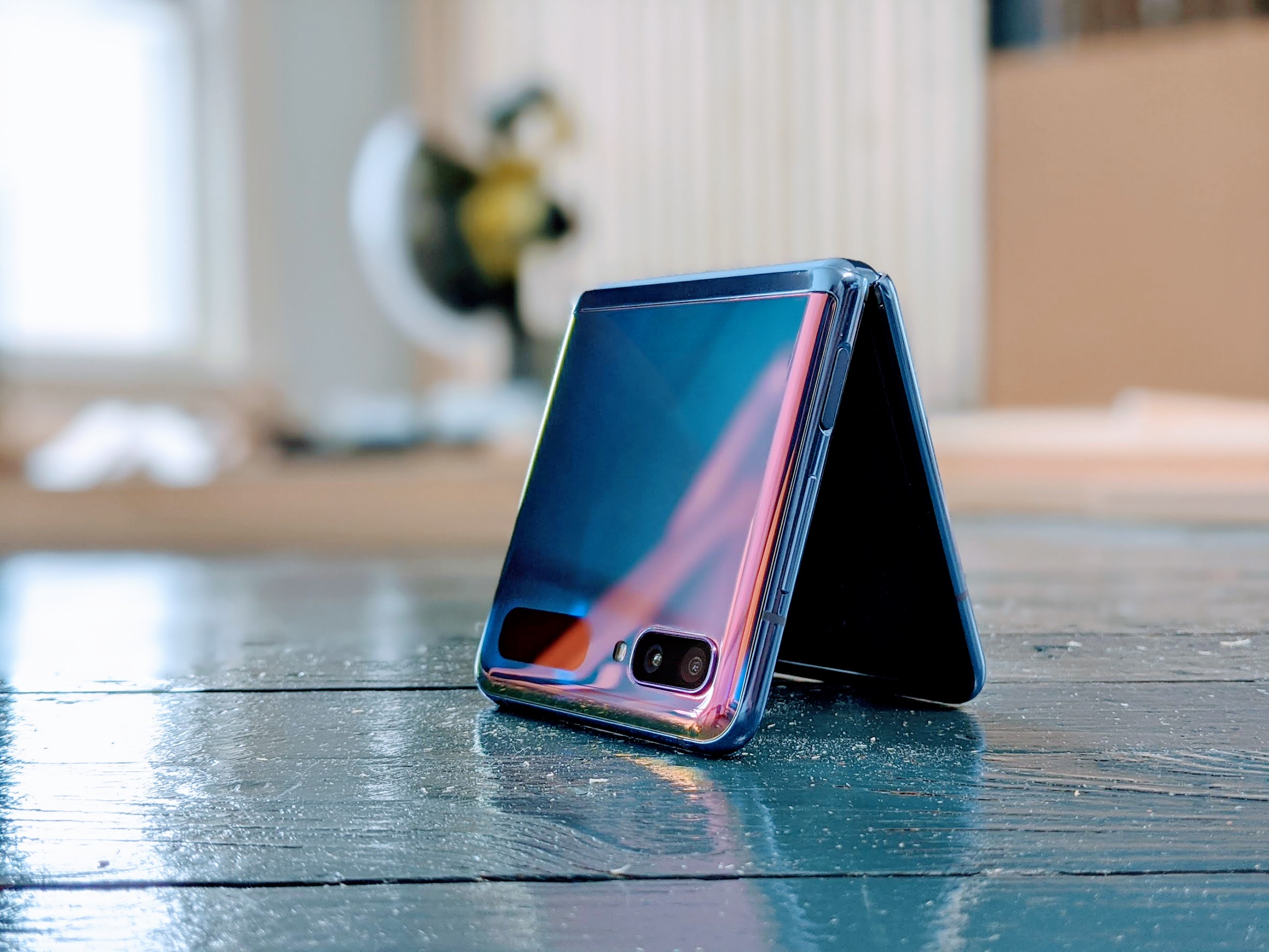
Let’s break down why this isn’t just another iPhone launch. A traditional slab phone is a marvel of engineering, sure. But a foldable is a different beast. It’s not just a screen that bends. You’re dealing with an intricate hinge mechanism that needs to feel solid through hundreds of thousands of folds, ultra-thin flexible glass that can’t develop a permanent crease, and multiple display layers that must work in perfect harmony.
Every one of those components introduces new failure points during manufacturing. Early production yields, the percentage of units that come off the line without defects, are notoriously low for new foldable designs. Apple is reportedly still finalizing key hardware elements, including that all-important hinge. This isn’t unusual for a first-generation product pushing new boundaries, but it directly translates to risk. A slow production ramp-up and very conservative initial volumes are almost guaranteed.
Think about the last time you opened and closed a well-made laptop. That smooth, confident motion is the result of years of hinge refinement. Now imagine miniaturizing that mechanism, making it dust-resistant, and ensuring it survives being stuffed in a pocket and pulled out hundreds of times a day. It’s a monumental task. This production reality check means the dream of walking into a store and picking your color in late 2026 is fading fast.
The Supply Chain Squeeze and What It Means for You
So what does this mean if you’re saving up for Apple’s foldable debut? Expect launch-year stock to vanish in minutes, not days. If demand matches the hype, and let’s be honest, it’s an Apple foldable, it probably will, many shoppers could face weeks or even months of waiting. This will be especially true in smaller markets or for specific storage tiers and color options.
Kuo’s analysis suggests the foldable iPhone could face constrained supply through at least the end of 2026. “Smooth shipments,” where production reliably meets demand, likely won’t happen until 2027. Apple will gradually increase output as its manufacturing partners gain experience and yields improve, but that’s a process measured in quarters, not weeks.
The analyst’s outlook aligns with forecasts that see the so-called iPhone Fold selling in the “teens of millions” of units by 2027. That number sounds impressive, but it implies a slow climb from extremely limited early availability to true mass-market volumes over the following year or two. For the average consumer, this major supply crunch transforms the buying experience from an exciting upgrade to a test of patience.
A Halo Product, Not a Mainstream Hit (At First)
In its first year, Apple’s foldable iPhone may function less like a device for everyone and more like a halo product. It’s the tech status symbol that legitimizes the entire category for mainstream buyers who’ve been watching Samsung and Google from the sidelines. Constrained stock, combined with what will almost certainly be an ultra-premium price tag well above today’s Pro Max models, will act as a natural limiter on how many people actually get one.
This situation creates a fascinating dynamic for the broader foldable market. Early shortages might actually give Samsung’s Galaxy Z Fold series, Google’s Pixel Fold, and other Android foldables more breathing room. They get to hold onto market share and mindshare a bit longer before Apple’s gravitational pull fully takes effect. It’s a temporary reprieve, but an important one for companies that have been building this market for years.
For you, the potential buyer, this creates a classic early-adopter dilemma. The excitement of being first is tempered by the reality of scarcity, potential first-generation quirks, and that premium price. Some users might look at the projected timeline and decide to skip this model entirely if supply looks tight deep into 2027. They’ll wait for a second-generation foldable, especially if rumors point to better durability, refined software, or simply wider availability down the line.
Looking Beyond the Launch Hype
What’s the practical takeaway from all this? If you’re dead-set on owning Apple’s first foldable iPhone, start mentally preparing for a hunt. Follow the pre-order announcements religiously, be flexible on your color and storage preferences, and understand that delivery estimates could slip. Consider it a marathon, not a sprint.
For everyone else, there’s no harm in waiting. The reality of finding one before 2027 is shaping up to be challenging, and the second-generation model will likely benefit from all the lessons learned during this difficult production ramp. By 2027 or 2028, the foldable iPhone should be a more polished, more available, and potentially more affordable product.
Apple’s entry into the foldable space is a milestone moment for mobile technology. It validates the form factor and will undoubtedly push the entire industry forward. But like many of Apple’s most ambitious products, from the original iPhone to the first Apple Watch, the journey from announcement to actually having one in your hand might be longer and more complicated than anyone expects. The engineering triumph will be real. The wait to experience it, however, might test even the most patient Apple fan.