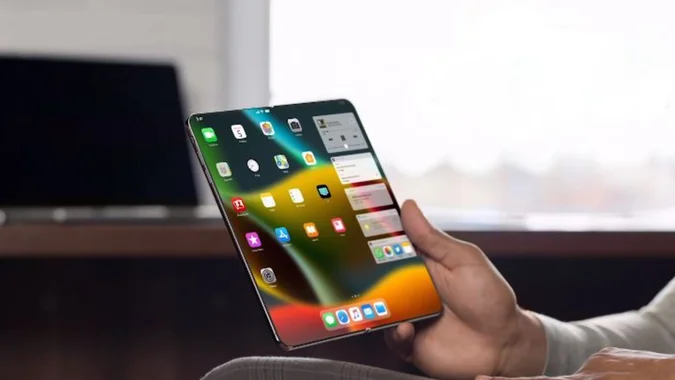
Picture this. It’s fall 2026, and Apple finally takes the stage to unveil the device everyone’s been whispering about for years. The first foldable iPhone. The applause is thunderous, the design shots are stunning, and the tech world collectively holds its breath. Then comes the reality check. According to analyst Ming-Chi Kuo, actually getting your hands on one might feel like winning the lottery well into 2027.
Kuo’s latest analysis paints a sobering picture for anyone dreaming of an early adoption story. Apple’s foldable iPhone is reportedly on track for a late 2026 announcement, likely during the company’s usual September or October showcase. But here’s the catch. “Smooth shipments” won’t materialize until 2027, with constrained supply potentially stretching through the entire first year of availability. This isn’t just about high demand. It’s about the fundamental engineering hurdles that make foldables exponentially harder to manufacture than traditional slab phones.
The Anatomy of a Production Bottleneck
Let’s break down why building a foldable iPhone is such a different beast. It starts with the hinge, that intricate mechanical marvel that needs to feel buttery smooth through hundreds of thousands of folds while maintaining perfect alignment. Apple is reportedly still finalizing this mechanism, and early production yields on such precision components are notoriously low. Then there’s the display itself. We’re talking about ultra-thin glass layers that need to flex without cracking, plus multiple adhesive and polarizer sheets that all have to survive the constant motion.
Every one of these elements introduces new failure points. Where a standard iPhone display might have a defect rate in the single-digit percentages during early production, foldable panels can see rates several times higher. This forces Apple to be incredibly conservative with initial production volumes. They simply can’t afford to ramp up too quickly when each unit is so complex and expensive to produce. As our previous coverage of Apple’s production reality check detailed, these aren’t problems you solve overnight.
What This Means for Your Wallet and Wait Time
Imagine the launch day scenario. The foldable iPhone goes on sale, and within minutes, every major carrier and retailer shows “out of stock” across all configurations. For specific colors or storage tiers, you might be looking at weeks or even months of waiting. Smaller markets could see especially limited allocations as Apple prioritizes regions with the highest sales potential.
Kuo forecasts the device selling in the “teens of millions” by 2027, which sounds impressive until you realize that represents a gradual climb from painfully limited early supply. In its first year, the foldable iPhone might function more as a halo product. A statement piece that legitimizes the category for mainstream buyers while remaining just out of reach for most. The likely ultra-premium price tag, combined with scarcity, will create a perfect storm of exclusivity.
This situation creates a fascinating dynamic in the broader foldable market. Early shortages could give Samsung’s Galaxy Z Fold series, Google’s Pixel Fold, and other Android foldables valuable breathing room. They’ll have another year to refine their designs, build market share, and establish customer loyalty before Apple truly enters the volume game. For consumers, it presents a real dilemma. Do you wait patiently for Apple’s offering, knowing you might not get one until 2027, or do you jump on a currently available foldable that’s already proven itself?
The Supply Chain Learning Curve
From a manufacturing perspective, what we’re witnessing is the classic Apple approach to new form factors. Remember the original Apple Watch or the first iPad? Both faced supply constraints out of the gate as production partners climbed the learning curve. The difference with foldables is the complexity multiplier. Assembly lines need retooling, quality control procedures require complete overhauls, and workers need extensive training on handling these delicate components.
Apple’s suppliers, likely including display makers like Samsung Display or LG Display and hinge specialists, will gradually improve their yields as they gain experience. But “gradually” is the operative word here. Kuo’s timeline suggests it will take the better part of a year after announcement before production really hits its stride. This extended supply crunch period means Apple will be walking a tightrope between generating excitement and managing customer frustration.
Should You Wait for Generation Two?
Here’s where it gets interesting for savvy tech enthusiasts. Some users might look at this supply forecast and decide to skip the first-generation model entirely. If you’re not going to get one until late 2027 anyway, why not wait for the second iteration? By then, Apple will have worked out the early production kinks, durability concerns will be better understood, and availability should be significantly improved.
There’s historical precedent for this approach. Early adopters of first-generation products often pay a premium in both price and patience, while those who wait for the second version get a more refined experience. The foldable iPhone could follow this pattern perfectly. As we explored in our analysis of why you might wait until 2027, the calculus changes when scarcity becomes a defining feature of the launch.
So what’s the takeaway for someone excited about foldable technology? Keep your expectations grounded. The dream of walking into an Apple Store in late 2026 and walking out with a foldable iPhone is probably just that, a dream. Instead, prepare for a launch that’s more about spectacle than accessibility, followed by a long period of gradual ramp-up. The good news is that when these devices do become widely available, they’ll benefit from all the lessons learned during that difficult first year. The wait might be frustrating, but it could also result in a better product for everyone in the end.