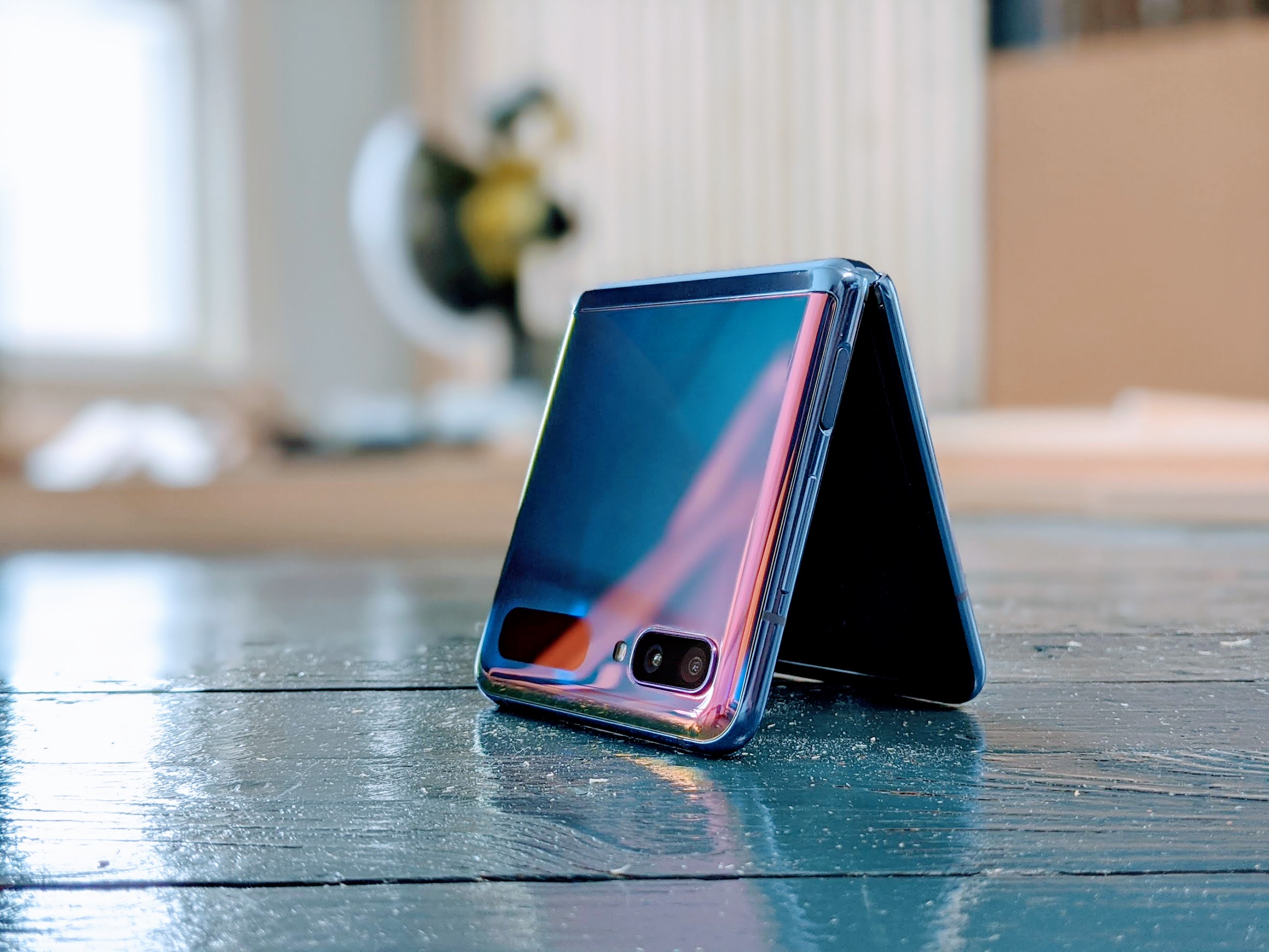
Xiaomi just dropped a global bombshell with the Redmi Note 15 Pro Plus, and after spending some quality time with this device, I can tell you it’s rewriting the rulebook for affordable smartphones. You know that feeling when you pick up a phone that costs half what flagships do, but it doesn’t feel like a compromise? That’s exactly what’s happening here.
| Metric | Value | Unit | Notes |
|---|---|---|---|
| Display Size & Type | 6.83 | inch | AMOLED, 120Hz refresh rate, 2772 x 1280 resolution |
| Peak Brightness | 3,200 | nits | Extremely bright for outdoor visibility |
| Processor (SoC) | Snapdragon 7s Gen 4 | — | 4nm process, mid-range performance |
| RAM / Storage | 12 / 512 | GB | Maximum configuration available |
| Battery Capacity | 6,500 | mAh | Massive capacity for extended use |
| Wired Charging | 100 | W | Extremely fast charging speeds |
| Main Camera Sensor | 200 | MP | High-resolution primary camera |
| Ultra-wide Camera | 8 | MP | Secondary camera for wider shots |
| Front Camera | 32 | MP | Selfie and video call camera |
| Weight | — | g | Fibreglass rear, Gorilla Glass Victus 2 display |
| IP Rating | IP69K | — | Dust tight, high-pressure water jet resistant |
| Software | Hyper OS 2 | — | Xiaomi’s latest Android-based interface |
Build Quality That Surprises
Xiaomi’s talking up something called “Redmi Titan Durability” with this phone, and honestly, it’s not just marketing fluff. The moment you pick up the Note 15 Pro Plus, there’s a solidity that makes you forget this is supposed to be a budget device. The fibreglass rear panel has this subtle texture that feels premium in hand, while the Gorilla Glass Victus 2 protecting the display is the same stuff you’ll find on phones costing twice as much.
Yes, the sides are plastic, but they’re well-finished and don’t scream “cheap.” What really impressed me was the IP69K rating. Most phones in this price range might offer basic splash resistance, but IP69K means this thing can handle high-pressure water jets. I wouldn’t recommend testing that claim, but it’s comforting to know your phone can survive an accidental dunk or a sudden downpour.
Xiaomi’s been on a roll with their budget phone offerings lately, and the Pro Plus continues that tradition of delivering more than you’d expect for the money.
A Display That Pops
That 6.83-inch AMOLED screen is genuinely impressive. The 120Hz refresh rate makes everything feel buttery smooth, whether you’re scrolling through social media or playing games. At 2772 x 1280 pixels, text looks sharp, and colors pop with that AMOLED vibrancy we’ve come to love.
But here’s the real showstopper: 3200 nits of peak brightness. I took this phone outside on a sunny afternoon, and the screen remained perfectly readable. No squinting, no cupping my hand over the display. It’s a level of brightness you typically only see on flagship devices, and having it on a budget phone feels almost unfair to the competition.
The bezels are a bit thicker than what you’d find on premium phones, and the display curves slightly at the edges like those 2.5D screens from a few years back. But honestly, when you’re looking at content on this vibrant panel, you stop noticing the bezels pretty quickly.
Performance That Handles Daily Life
Powering everything is Qualcomm’s Snapdragon 7s Gen 4 chipset. Now, let’s be real, you’re not going to get Snapdragon 8 Gen 3 benchmark numbers here. But that’s not really the point. What you get is smooth performance for everyday tasks, social media, streaming, and even some light gaming.
Pair that with up to 12GB of RAM and 512GB of storage, and you’ve got a phone that won’t leave you waiting. Apps open quickly, multitasking is handled without stutter, and you’ve got plenty of space for photos, videos, and apps. It’s the kind of performance that just works, without drawing attention to itself.
The software side brings Hyper OS 2, Xiaomi’s latest interface layer over Android. It’s clean, responsive, and packed with features. There is one caveat, though. Like many Xiaomi phones, this one comes with a fair number of pre-installed apps. The good news is you can uninstall most of them, which I’d recommend doing right out of the box to clean up your experience.
Cameras That Capture More Than Memories
The camera setup might look simple on paper, with a 200MP main sensor and an 8MP ultra-wide, but the results tell a more interesting story. That 200MP sensor uses pixel-binning technology, combining multiple pixels into one larger pixel for better light capture. What that means in practice is detailed photos with good dynamic range.
I took some shots in low-light conditions, expecting the usual budget phone mushiness, but was pleasantly surprised. The images retained detail without excessive noise, and colors looked natural rather than oversaturated. The 8MP ultra-wide gives you that wider perspective for landscapes or group shots, while the 32MP front camera handles selfies and video calls with more than enough detail.
Video recording tops out at 4K at 30 frames per second on the main camera, which is perfectly adequate for most users. The front camera does 1080p, which is standard for this price range. It’s not going to replace a dedicated camera, but for social media, memories, and video calls, it’s more than capable.
Battery Life That Just Won’t Quit
Here’s where things get really interesting. That 6500mAh battery is massive, even by today’s standards. In my testing, this phone easily lasted through a full day of heavy use with plenty to spare. We’re talking streaming, social media, some photography, and still having battery left for the next morning.
But the real magic happens when you combine that huge capacity with 100W charging. I plugged in the phone at 20% battery, went to make coffee, and came back to find it at over 70%. A full charge takes you from empty to 100% in well under an hour. It’s the kind of charging speed that changes how you use your phone. No more overnight charging, no more battery anxiety.
This kind of battery performance is becoming a hallmark of mid-range powerhouses, and Xiaomi’s clearly paying attention to what users actually want from their daily drivers.
The Big Picture
Spending time with the Redmi Note 15 Pro Plus feels like watching the budget phone category grow up. We’re past the days where affordable meant obvious compromises. This phone delivers a premium-feeling build, an excellent display, capable cameras, and battery life that borders on excessive in the best possible way.
The Snapdragon 7s Gen 4 provides perfectly adequate performance for most users, and while the software comes with some bloat, it’s easily removable. The IP69K rating adds peace of mind that’s rare at this price point.
Xiaomi hasn’t announced pricing yet, but if they position this competitively within their mid-range lineup, the Redmi Note 15 Pro Plus could become the new benchmark for what budget phones can deliver. It’s not trying to be a flagship killer, it’s something perhaps more valuable, a phone that gives you 90% of the flagship experience for half the price.
After using devices like the Redmi Note 15 Pro Plus, it’s clear that the gap between budget and premium is narrowing faster than ever. For most people, this level of performance, build quality, and features is more than enough, and that’s exactly what makes phones like this so compelling.