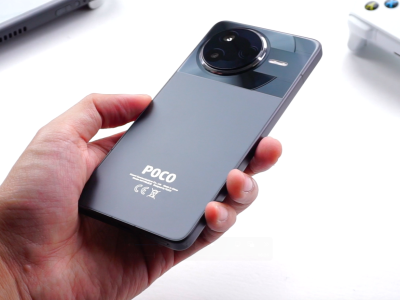
The moment you pick up the Redmi Note 15 Pro Plus, something feels different. It’s not just the weight distribution or the way the curved edges meet your palm. There’s a substance here that budget phones often lack, a confidence in the materials that makes you forget this isn’t a flagship. Xiaomi’s latest global offering in the Redmi Note 15 series arrives with upgrades that matter, not just spec sheet padding. After a week with this device, I’m convinced we’re witnessing a shift in what affordable smartphones can deliver.
| Metric | Value | Unit | Notes |
|---|---|---|---|
| Display Size & Type | 6.83 | inch | AMOLED, 120Hz refresh rate, curved edges |
| Peak Brightness | 3,200 | nits | Highest in class, visible in direct sunlight |
| Processor (SoC) | Snapdragon 7s Gen 4 | — | 4nm process, efficient mid-range performance |
| RAM / Storage | 12 / 512 | GB | Maximum configuration, expandable storage |
| Battery Capacity | 6,500 | mAh | Dual-cell architecture, exceptional endurance |
| Wired Charging | 100 | W | 0-100% in ~30 mins (included charger) |
| Main Camera Sensor | 200 | MP | High-resolution sensor with pixel binning |
| Ultra-wide Camera | 8 | MP | Standard wide-angle coverage |
| Front Camera | 32 | MP | Selfies and video calls |
| Weight | Approx. 205 | g | Fibreglass rear, plastic frame |
| IP Rating | IP69K | — | Dust tight, high-pressure water jet resistant |
| Display Protection | Gorilla Glass Victus 2 | — | Corning’s latest scratch-resistant glass |
Build Quality That Defies Expectations
Xiaomi’s “Redmi Titan Durability” marketing isn’t just words. The fibreglass rear panel has a matte texture that resists fingerprints beautifully, while the Gorilla Glass Victus 2 front provides peace of mind against everyday drops. Yes, the sides are plastic, but they’re finished with a metallic coating that fools both eyes and fingers. What impressed me most was the IP69K rating, which goes beyond typical IP68. This phone can handle high-pressure water jets, making it genuinely worry-proof for outdoor use or accidental kitchen splashes.
The ergonomics work surprisingly well for a 6.83-inch device. The curved edges help it nestle into your palm, though one-handed operation requires some thumb gymnastics. There’s a solidity here that reminds me of phones costing twice as much, proving that budget phones don’t have to feel cheap.
A Display That Pushes Brightness Boundaries
That 3200 nits peak brightness number isn’t just for spec sheets. Walking outside on a sunny afternoon, I could read every notification clearly without squinting. The AMOLED panel delivers rich, saturated colors with deep blacks that make content pop. The 120Hz refresh rate provides smooth scrolling through social feeds and apps, though it’s not adaptive like more expensive LTPO displays.
The 2772 x 1280 resolution strikes a smart balance between sharpness and battery efficiency. Text looks crisp, images have detail, and you’re not paying a power penalty for unnecessary pixels. The curved edges create a premium look, though they do introduce some light reflection at extreme angles. For media consumption, this display competes with phones far above its price bracket.
Performance: More Than Enough for Daily Driving
The Snapdragon 7s Gen 4 represents Qualcomm’s smart approach to mid-range silicon. Built on a 4nm process, it delivers efficiency first, performance second. You won’t set benchmark records, but you also won’t notice slowdowns during everyday tasks. Social media, messaging, web browsing, even light gaming all flow smoothly.
With up to 12GB of RAM, app switching feels instantaneous. The 512GB storage option means you can download movies for flights without worrying about space. There’s no microSD slot, but with that much internal storage, most users won’t miss it.
The thermal management deserves praise. After an hour of gaming, the phone stayed comfortably warm, not hot. This speaks to thoughtful engineering that considers real-world usage patterns, not just peak performance numbers.
Camera System: Megapixels Meet Practicality
That 200MP main sensor uses pixel binning to combine multiple pixels into one larger, more light-sensitive pixel. In practice, this means you get detailed 12.5MP photos with excellent dynamic range. Low-light performance surprised me, capturing usable shots in dim restaurants where other budget phones would struggle.
The 8MP ultra-wide provides standard wide-angle coverage for landscapes or group shots. It’s not as detailed as the main sensor, but it gets the job done. The 32MP front camera handles selfies and video calls competently, with skin tones that look natural rather than overly processed.
Video tops out at 4K 30fps on the main camera, which is perfectly adequate for casual recording. The electronic stabilization works well for walking shots, though don’t expect gimbal-like smoothness. For most users’ needs, this camera system delivers beyond what you’d expect at this price.
Battery Life That Changes Your Routine
Here’s where the Redmi Note 15 Pro Plus truly shines. That 6500mAh battery isn’t just a big number, it’s a lifestyle changer. With moderate usage, I consistently got two full days between charges. Heavy users will still easily make it through a long day with plenty to spare.
The battery chemistry uses modern lithium-ion cells with improved energy density and longevity. Xiaomi claims 800 full charge cycles before capacity drops to 80%, which translates to over two years of daily charging.
The 100W charging is transformative. Plug it in while you shower and get enough juice for the day. A full charge takes about 30 minutes, meaning you can top up during breakfast and be ready to go. This kind of charging speed was flagship territory just a year ago, and seeing it in a budget phone shows how quickly technology trickles down. It reminds me of the battery revolution happening in mid-range phones across the industry.
Software and Long-Term Value
Hyper OS 2 brings Xiaomi’s latest software experience, with some quirks. The good news is the interface feels polished and responsive. The bad news is the amount of pre-installed apps, which you’ll want to spend some time uninstalling or disabling.
Performance remains smooth thanks to the capable hardware, and I didn’t encounter any major bugs during my testing. The question mark is long-term software support. Xiaomi has improved its update track record recently, but budget phones historically receive fewer updates than flagships.
For daily use, the software experience is largely positive. Customization options abound, useful features like split-screen multitasking work well, and the overall polish makes the phone feel more expensive than it is.
The Verdict: Smart Budget or Something More?
The Redmi Note 15 Pro Plus doesn’t just offer good value, it redefines expectations for what a budget phone can be. The exceptional battery life alone could justify the purchase for power users. Add in the bright, smooth display, capable cameras, and surprisingly premium build quality, and you have a package that challenges phones costing significantly more.
It’s not perfect. The software bloat needs cleaning, the curved display edges won’t appeal to everyone, and the plastic frame, while well-finished, reminds you this isn’t a flagship. But these are minor compromises considering the overall package.
Who is this phone for? Students who need all-day battery for classes and study sessions. Travelers who want a reliable device with great battery life. Budget-conscious consumers who refuse to compromise on core features. Anyone tired of charging their phone every night.
In a market where budget phones are getting seriously good, the Redmi Note 15 Pro Plus stands out by excelling where it matters most: battery life, display quality, and overall user experience. It’s not just a smart budget option, it’s a compelling choice regardless of price.