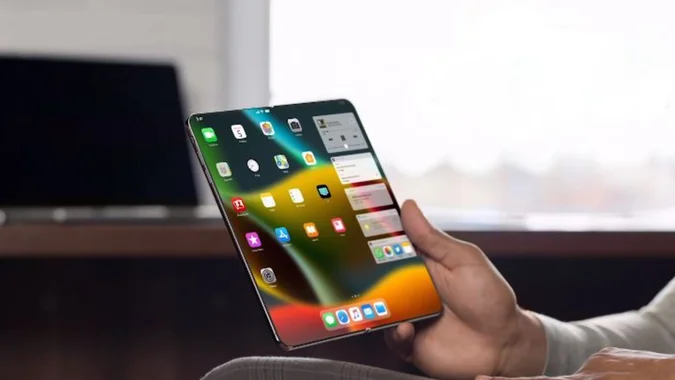
Picture this. It’s fall 2026, and Apple finally takes the stage to unveil the iPhone you’ve been dreaming about for years. A sleek, folding device that transforms from pocket-friendly phone to mini tablet with a satisfying snap. The crowd goes wild, pre-orders open, and you’re ready to click buy. Then reality hits. The delivery estimate reads “8-10 weeks,” then changes to “out of stock.” Welcome to what analysts are calling Apple’s biggest supply chain challenge since the original iPhone launch.
The Timeline That Tests Patience
According to respected analyst Ming-Chi Kuo, Apple’s first foldable iPhone remains on track for a late 2026 announcement, likely during the company’s traditional September event. The hardware looks incredible on paper, a true engineering marvel that could redefine how we use mobile devices. But here’s the catch. Kuo warns that “smooth shipments” won’t happen until 2027, meaning you might be staring at your empty hands well into the following year.
This isn’t just typical Apple scarcity theater. We’re talking about fundamental production challenges that even Cupertino’s legendary supply chain can’t magic away overnight. The company will likely announce the device on schedule because, well, that’s what Apple does. Actually building enough units to meet demand? That’s a different story entirely, and it’s one that could leave many fans frustrated.
Why Foldables Are Manufacturing Nightmares
Let’s break down why folding phones are so tricky to build. Regular slab smartphones are relatively straightforward these days. Glass front, metal frame, camera bump. Foldables? They’re like building a Swiss watch that also needs to survive being dropped.
The hinge mechanism alone is a masterpiece of micro-engineering. Dozens of tiny interlocking parts need to move thousands of times without developing play or creating that dreaded crease in the display. Apple’s still finalizing their hinge design, which tells you everything about how complex this component really is. Then there’s the ultra-thin glass that needs to flex without cracking, and the multiple display layers that have to stay perfectly aligned through every fold and unfold.
Each of these components contributes to what manufacturers call “yield rates”—the percentage of units that come off the production line working perfectly. Early in any new technology’s lifecycle, those yields are painfully low. Think about it. If only 30% of hinges pass quality control, you can only build 30% as many phones as your factory could theoretically produce. This production reality check means Apple will start with extremely conservative production volumes, then gradually ramp up as their suppliers get better at making these finicky parts.
What This Means For You, The Buyer
Imagine waking up early on pre-order day, coffee in hand, ready to secure your place in line. You complete the checkout process, see the confirmation email, and breathe a sigh of relief. Then the waiting begins. And continues. And continues some more.
Kuo’s analysis suggests constrained supply through at least the end of 2026, with many shoppers facing weeks or months of waiting. This gets worse if you’re in smaller markets or want specific storage configurations or colors. That jet black model with 1TB of storage? You might be competing with every tech reviewer and early adopter on the planet for those units.
The numbers tell a sobering story. Previous forecasts see the iPhone Fold selling in the “teens of millions” by 2027. That sounds impressive until you realize Apple sells over 200 million regular iPhones annually. This first-generation foldable will be more like a limited edition collector’s item than a mass-market device, at least initially.
The Ripple Effect Across The Market
Here’s where things get interesting for the broader smartphone industry. Apple’s entry into any category instantly legitimizes it for mainstream buyers. Remember smartwatches before the Apple Watch? Exactly. But this time, Apple’s supply constraints create a unique opportunity for competitors.
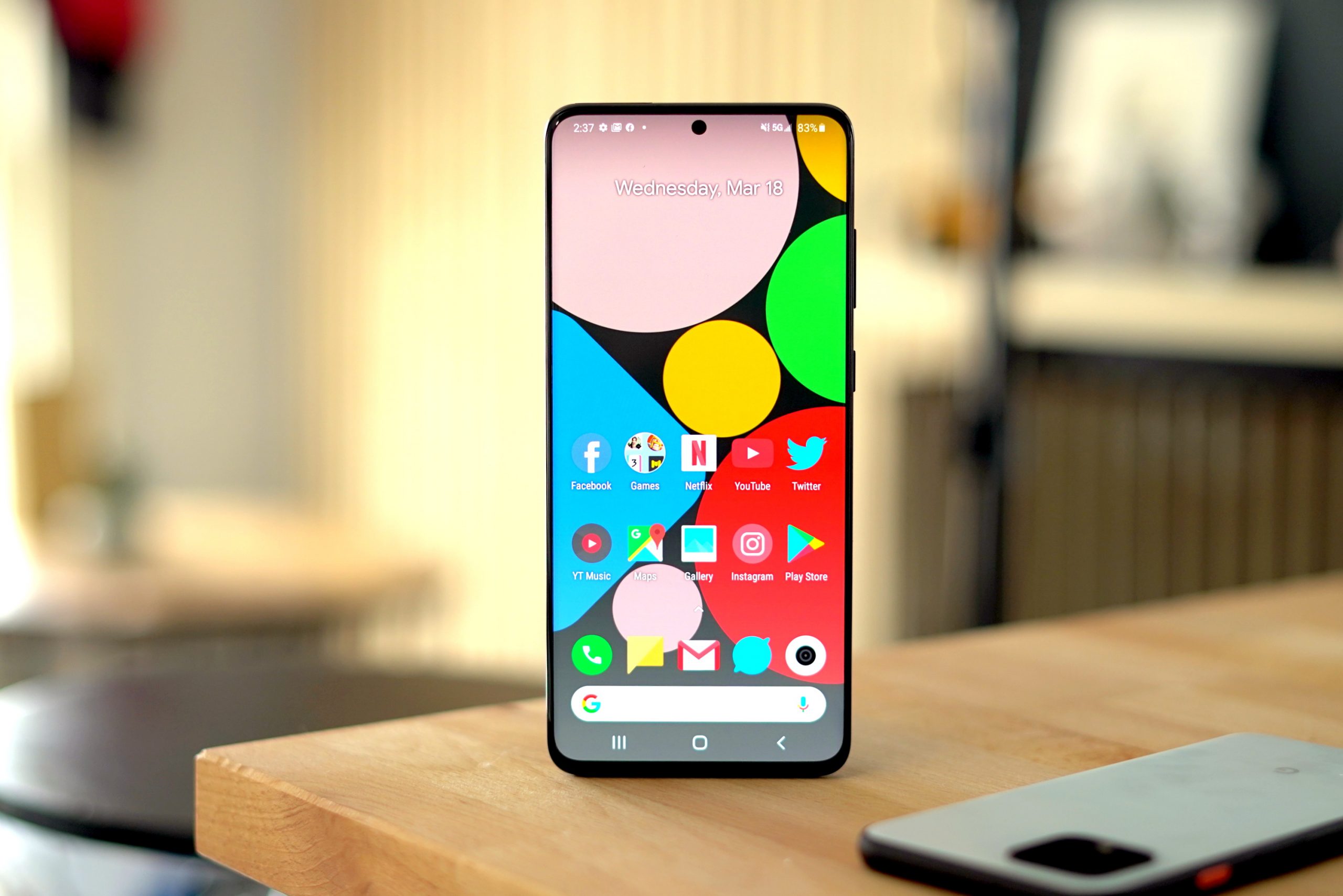
Samsung’s Galaxy Z Fold series has been refining the foldable formula for years now. Google’s Pixel Fold brings that clean software experience. Both companies, along with other Android manufacturers, might actually benefit from Apple’s production headaches. If you can’t get an iPhone Fold until 2027, but Samsung can deliver a Galaxy Z Fold 8 next week, which are you going to choose?
This Galaxy Z Flip 8 could represent Samsung’s most refined foldable yet, arriving just as Apple struggles to scale production. Timing in the tech world is everything, and Samsung’s years of foldable experience might finally pay off in a big way.
The Halo Effect And Waiting Game
In its first year, Apple’s foldable iPhone will function more like a halo product than something you actually buy. You’ll see it in commercials, read about it in reviews, and watch influencers unbox it on YouTube. Actually owning one? That’ll be reserved for the lucky few with connections, deep pockets, or incredible patience.
Constrained stock combined with what’s sure to be an ultra-premium price—think well north of $1,500—creates the perfect conditions for a tech status symbol. It’s the gadget equivalent of a limited edition sports car. Everyone wants one, few can get one, and even fewer can afford it.
This scarcity might lead some users to skip the first-generation model entirely. Why fight for limited stock when the second-generation version in 2028 or 2029 will likely be better in every way? More durable, more available, and possibly even more affordable as production scales. It’s the classic tech dilemma: buy now and deal with the headaches, or wait and get a more polished product.
The Bigger Picture In Mobile Tech
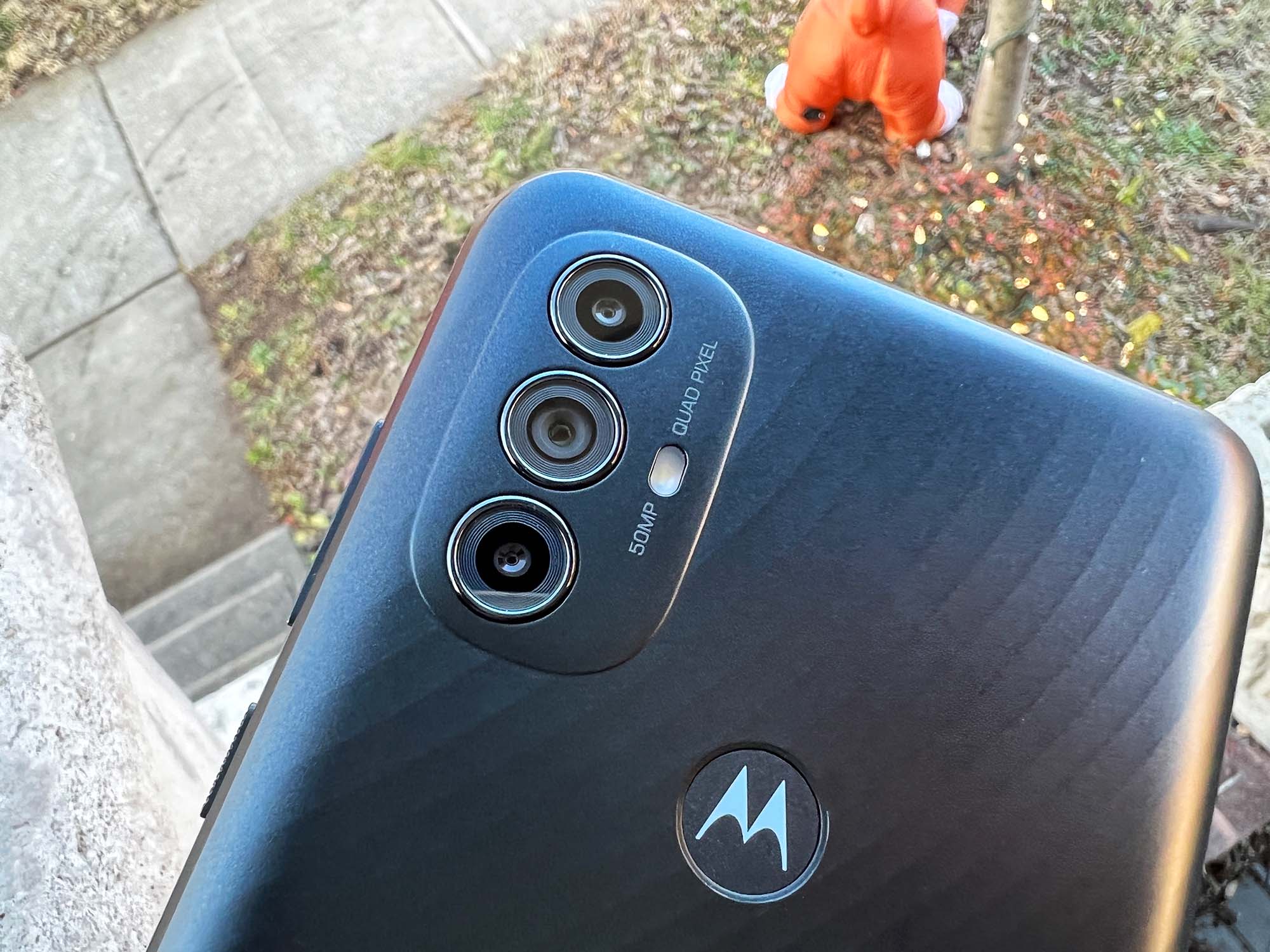
While we’re talking about cutting-edge foldables, it’s worth remembering that most people aren’t shopping for $1,500 phones. The real action happens in the mid-range, where devices like the OnePlus 15R deliver flagship-level performance without the flagship price tag. These phones represent where the majority of consumers actually live, with battery life and daily reliability mattering more than folding screens.
Apple’s foldable journey reminds us that even the biggest companies in the world face physical limits. You can design the most beautiful software, create the most intuitive interface, and build the most loyal customer base. But if you can’t manufacture the hardware at scale, none of that matters.
The next few years in mobile tech will be fascinating to watch. We’re seeing major supply crunch challenges collide with incredible innovation. Foldables represent the future, but that future might take longer to arrive than we’d like. In the meantime, there’s something to be said for the simple reliability of a phone that, you know, just works without any moving parts.
So mark your calendars for late 2026, but maybe pencil in 2027 as when you’ll actually get your hands on Apple’s folding vision. The wait might be frustrating, but it also gives the technology time to mature. And who knows? By then, we might all be wondering why we ever wanted a folding phone in the first place. Or we’ll be too busy enjoying our perfectly crease-free, readily available second-generation models to remember the struggle at all.