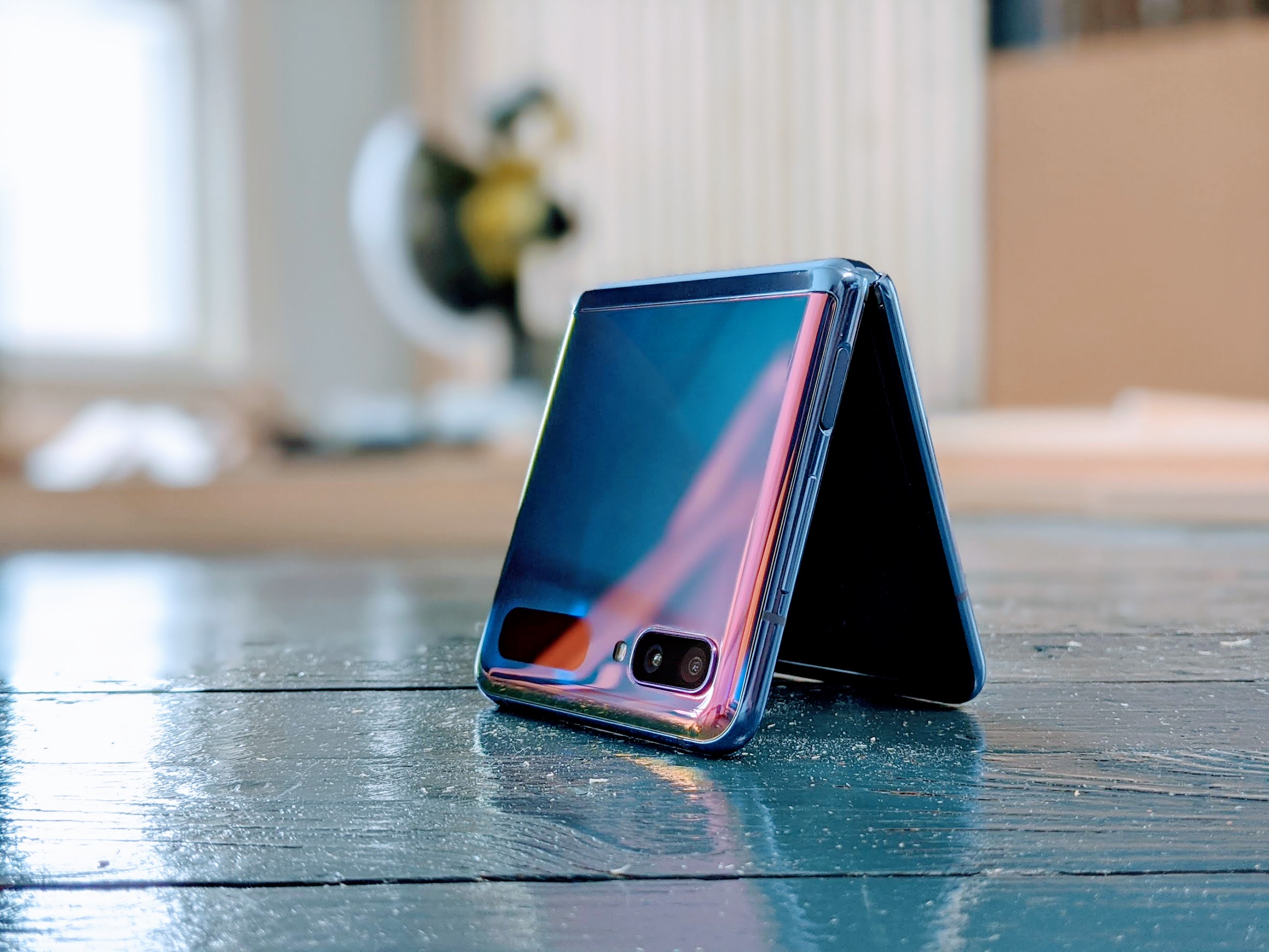
Remember that awkward bulge in your pocket from early foldables? The one that made you feel like you were carrying a miniature brick? Samsung apparently does, and they are determined to fix it. Early whispers about the Galaxy Z Flip 8 suggest the company is going all in on slimming down its signature flip phone, potentially crafting its thinnest and lightest iteration yet. If the rumors hold, we might finally get the pocket friendly foldable experience we have been waiting for.
| Metric | Value | Unit | Notes |
|---|---|---|---|
| Display Size & Type | 6.7 | inch | Foldable Dynamic AMOLED (expected) |
| Thickness (Folded) | 12 | mm | Rumored measurement when closed |
| Thickness (Unfolded) | 6 | mm | Rumored measurement when open |
| Weight | 170 | g | Lighter than most slab smartphones |
| Processor (SoC) | Exynos 2600 | — | 2nm process technology |
| RAM / Storage | 12 / 256-512 | GB | Base model expected with 256GB |
| Battery Capacity | 4,300 | mAh | Meaningful bump over previous models |
| Launch Price | 1,100 | USD | Expected to match Z Flip 7 pricing |
| Expected Launch | Summer 2026 | — | Likely July, following Samsung’s schedule |
The Quest for Pocket Perfection
The most compelling part of the latest Galaxy Z Flip 8 rumors is the focus on dimensions. We are talking about a device that could measure around 12mm when folded and a remarkably slim 6mm when unfolded. That is roughly a 10 percent reduction compared to the Z Flip 7. Think about slipping this into tight jeans or a small clutch without that tell tale rectangular lump. The weight is dropping too, rumored to hit about 170 grams. For context, that is lighter than most standard flagship smartphones today, despite the Z Flip 8 packing two screens and a hinge mechanism.
Samsung is not just chasing thinness for its own sake. The engineering goal here is clear, make foldables feel less like a compromise and more like a natural evolution of the smartphone. They are also reportedly working on reducing the visible screen crease and boosting overall durability. These have been two of the most consistent pain points for foldable adopters, and addressing them head on could remove significant barriers to mainstream acceptance.
Performance That Does Not Fold Under Pressure
Under the hood, things get even more interesting. The Galaxy Z Flip 8 might be powered by Samsung’s next generation Exynos 2600 chipset, built on an advanced 2 nanometer process. This is the same silicon expected to drive the Galaxy S26 series, which tells you Samsung is not treating its flip phone as a secondary citizen. Paired with 12GB of RAM, this setup promises smooth multitasking and gaming without the thermal or performance throttling that sometimes plagued earlier foldables. Storage should start at a comfortable 256GB, with a 512GB option for those who need ample space for photos, videos, and apps.
The move to a 2nm process is a big deal. In simple terms, it means the transistors on the chip are smaller and packed more densely. This leads to better performance, improved power efficiency, and potentially less heat generation. For a thin device like the Z Flip 8, managing thermals is crucial, and a more efficient chipset is a smart foundation.
Battery Life That Lasts a Real Day
Battery anxiety has been a companion to early foldable users, but Samsung seems determined to change that narrative. The Z Flip 8 is rumored to get a meaningful capacity bump to 4,300mAh or possibly higher. This should comfortably handle a full day of mixed use, including social media scrolling, video calls, and photography, without you hunting for a charger by dinner time.
This is a logical and welcome progression. The Z Flip 7 already showed improvement over its predecessors, and continuing that trend is essential for a device meant to be your primary communication tool. When you combine this larger battery with the efficiency gains from the 2nm Exynos chip, you get a recipe for the kind of all day battery life that makes a phone truly dependable.
Pricing, Competition, and When to Expect It
Perhaps the most reassuring rumor is about price. Samsung is expected to keep the Galaxy Z Flip 8 around the $1,100 mark, matching the Z Flip 7’s launch price. This is a smart strategic move. It keeps Samsung competitive against Motorola’s revamped Razr lineup while maintaining the premium feel of the experience. You are not paying a massive ‘foldable tax’ for the novelty anymore, you are paying for a refined product.
The foldable market is heating up, with even Apple reportedly facing its own production challenges for a future device. Samsung’s consistent yearly cadence gives it a significant advantage in building supply chain expertise and consumer trust. Look for a summer 2026 launch, most likely in July if Samsung sticks to its established schedule for Z series releases.
If these early whispers translate into reality, the Galaxy Z Flip 8 could represent a turning point. It would not just be another iteration, but the device that finally delivers on the original promise of foldables, a full featured smartphone that transforms into something genuinely more portable without asking you to sacrifice performance, battery life, or your pocket’s comfort. The era of the folded brick might finally be coming to an end.